
Immunity
Nature’s Classroom: How Outdoor Activities Can Enhance Learning and Cognitive Abilities

Nature’s Classroom: How Outdoor Activities Can Enhance Learning and Cognitive Abilities
In today’s digital age, children and adults alike are spending more time indoors, glued to screens and disconnected from the natural world. However, research has shown that spending time in nature can have a profound impact on learning and cognitive abilities. Nature’s classroom offers a wealth of opportunities for education and personal growth, and outdoor activities can enhance learning and cognitive abilities in a variety of ways.
First and foremost, being in nature can provide a much-needed break from the constant stimulation of technology. The peace and tranquility of the natural world can help to reduce stress and improve attention and focus. Studies have found that spending time in nature can also improve memory and cognitive function, making it an ideal environment for learning and problem-solving.
In addition to the mental benefits, outdoor activities can also provide valuable hands-on learning experiences. Whether it’s observing the behavior of animals in their natural habitat or studying the life cycles of plants, nature provides endless opportunities for exploration and discovery. Children who engage in outdoor activities are more likely to develop a sense of curiosity and wonder about the world around them, fostering a lifelong love of learning.
Nature’s classroom also offers unique opportunities for physical activity and sensory stimulation. Hiking, climbing, and exploring natural landscapes can help to develop gross and fine motor skills, as well as spatial awareness and coordination. Exposure to different textures, smells, and sounds in nature can also stimulate the senses and enhance learning experiences.
Furthermore, outdoor activities can promote social and emotional development. Working together to navigate a trail or solve a problem in the natural world can foster teamwork and communication skills. Spending time in nature can also promote a sense of environmental stewardship and empathy for other living creatures, which can in turn lead to a greater sense of responsibility and connection to the world around us.
For these reasons, many educators and parents are recognizing the value of nature-based education and incorporating outdoor activities into their curriculum. Nature’s classroom provides a rich and diverse learning environment that can enhance learning and cognitive abilities in profound ways.
In conclusion, nature’s classroom offers a wealth of opportunities for education and personal growth. Outdoor activities can enhance learning and cognitive abilities by providing a break from technology, hands-on learning experiences, physical activity and sensory stimulation, and opportunities for social and emotional development. By recognizing and embracing the value of nature-based education, we can help children and adults alike develop a deeper connection to the natural world and enhance their overall learning and cognitive abilities.
Health
The Vagus Nerve & Nervous System Regulation: Taming the Unseen Stress Response
Your body comes factory-equipped with a built-in brake pedal designed to instantly calm your heart rate: The Vagus Nerve.
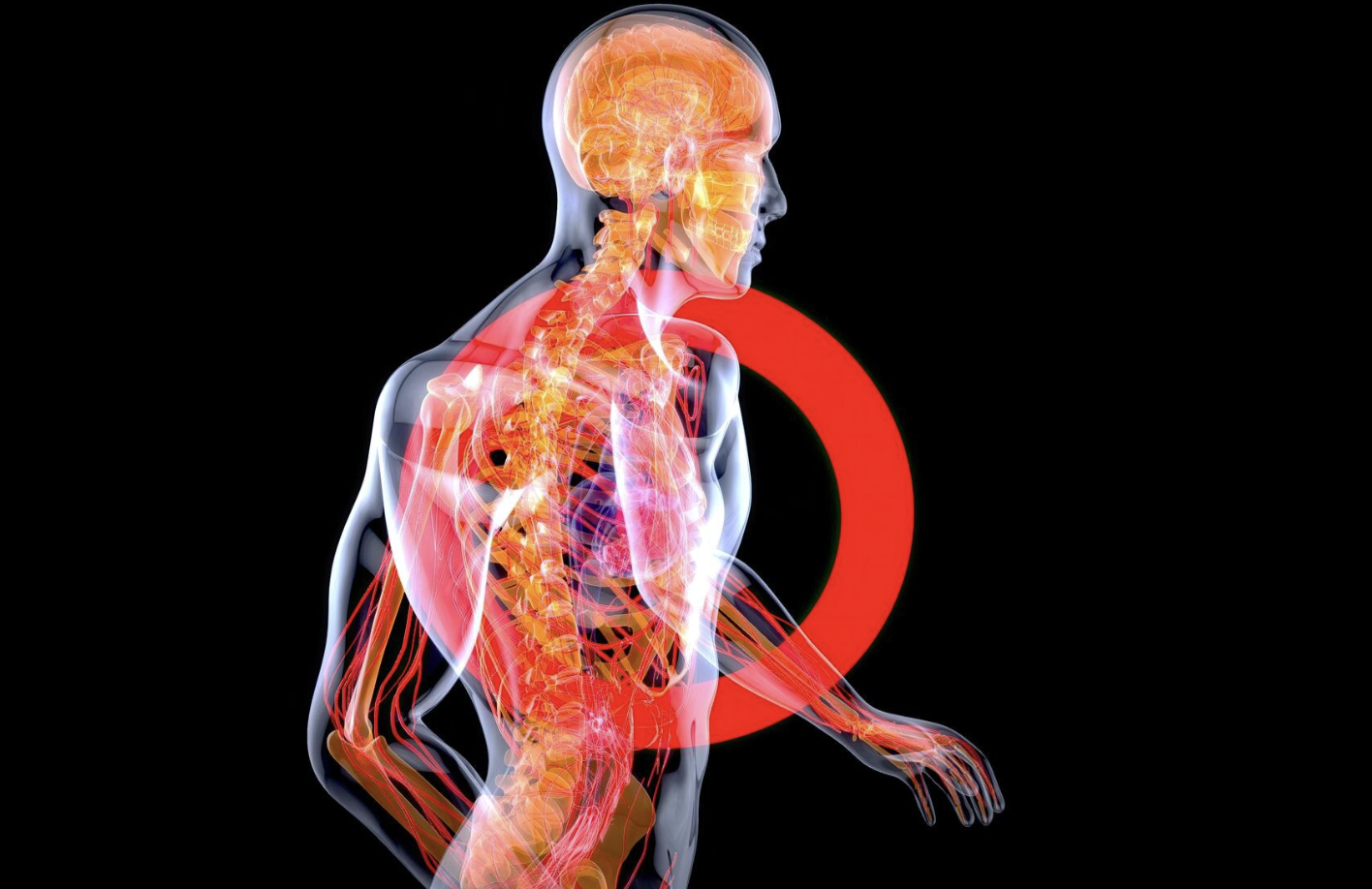
In our fast-paced modern world, stress is rarely a temporary event. It is a constant, low-level background noise.
You wake up to a blaring alarm, rush through morning routines, skim through stressful headlines, navigate work demands, and manage family schedules. Even when the day ends and you finally sit down, your body often remains on high alert. You feel wired, yet completely exhausted.
This persistent state of tension happens because your sympathetic nervous system—your body’s evolutionary “fight-or-flight” survival mechanism—is constantly stuck in the ON position.
To turn it off, you don’t need a week-long retreat. You simply need to engage your body’s built-in physiological brake pedal: The Vagus Nerve.
What Is the Vagus Nerve?
Derived from the Latin word for “wandering,” the vagus nerve is the longest cranial nerve in your body. It runs from the brainstem down through the neck, passing through the heart and lungs, and branching deeply into your digestive system and abdominal organs.
It serves as the main communications highway for your parasympathetic nervous system—the branch responsible for resting, digesting, repairing cellular tissue, and down-shifting your physiological stress response.
                 [ BRAINSTEM ]
                 │
                 ▼
            ┌───────────────────────┐
            │   THE VAGUS NERVE     │
            │  (Main Communications)│
            └───────────┬───────────┘
            │
            ┌─────────────────┼─────────────────┐
            ▼                 ▼                 ▼
             [ HEART ]        [ LUNGS ]       [ DIGESTION ]
           Lower Heart Rate  Slower Breathing  Stimulated Gut
When your vagus nerve is active and healthy—a concept known as having high vagal tone—your body transitions rapidly from stress back to a calm, balanced baseline.
What Happens When Vagal Tone Is Low?
When you experience chronic stress without adequate recovery, vagal tone drops. Your body forgets how to down-regulate, leading to systemic symptoms across multiple organ systems:
-
Digestive Issues: Bloating, sluggish digestion, or acid reflux (since blood flow is diverted away from the gut during stress).
-
Elevated Resting Heart Rate: Higher heart rate variability (HRV) drops, meaning your heart is less adaptable to stress.
-
Brain Fog & Anxiety: Chronic cortisol elevation disrupts neurotransmitter balance and clear cognitive processing.
-
Poor Sleep Quality: Difficulty shifting into deep, restorative slow-wave sleep.
4 Science-Backed Ways to Stimulate Your Vagus Nerve
The beauty of the nervous system is that communication works both ways. Just as your brain sends stress signals down to your body, you can use physical bodily inputs to send safety signals back up to your brain.
Here are four simple, evidence-based practices to activate your vagus nerve daily:
1. Extended Exhale Breathing (The 4-7-8 Technique)
Your heart rate naturally speeds up slightly when you inhale and slows down when you exhale. Extending your exhale directly stimulates vagal motor fibers to slow heart rate.
-
Try it: Inhale through your nose for 4 seconds, hold for 7 seconds, and exhale slowly through pursed lips for 8 seconds. Repeat for 4 cycles to feel an immediate physiological shift.
2. Cold Water Exposure
Sudden cold exposure triggers the mammalian dive reflex, an evolutionary mechanism that rapidly drops heart rate and conserves oxygen by boosting vagal activity.
-
Try it: Finish your morning shower with 30 seconds of cool water, or simply splash ice-cold water onto your face and temples when feeling overwhelmed.
3. Vocalization (Humming, Chanting, & Singing)
The vagus nerve passes directly through the muscles of the larynx and pharynx at the back of the throat. The physical vibrations caused by vocalization stimulate these nerve endings.
-
Try it: Hum softly to yourself while driving or working, or practice deep, resonant gargling with water during your morning routine.
4. Physiological Sighs
Made popular by neuroscientists, the “physiological sigh” is the body’s fastest biological method to offload carbon dioxide and restore calm in real time.
-
Try it: Take two quick inhales through your nose (one deep inhale followed immediately by a sharp top-off inhale), then express one long, relaxed exhale through your mouth. Doing this just two or three times lowers acute autonomic arousal almost instantly.
The Takeaway
Nervous system regulation isn’t about eliminating stress from your life entirely—that’s impossible. It’s about building nervous system flexibility: the ability to meet life’s demands with energy and focus, and then swiftly shift back into calm, restorative balance when the pressure passes.
By practicing simple vagal stimulation daily, you train your body to recover faster, think clearer, and maintain steady energy for the long haul.
Health
The 50+ Turning Point: Why Midlife is Ground Zero for Long-Term Vitality
Age 50 is Ground Zero. It is the exact window where your muscle signaling, metabolic rate, and cellular energy systems undergo a major shift.

Turning 50 is often framed culturally as the beginning of an inevitable, downhill slide in energy, physical performance, and mental sharpness.
You notice that workouts take longer to recover from, weight accumulates around the midsection with frustrating ease, and afternoon focus requires double the effort it did a decade ago.
Most people assume this is just “normal aging” and lower their standards.
However, in longevity medicine, age 50 isn’t the beginning of the end—it is Ground Zero. It is the exact biological inflection point where your metabolic, muscular, and hormonal systems undergo a structural transition.
What worked in your 30s and 40s stops working. But with a strategic recalibration, your 50s can mark the beginning of your highest-performing decade yet.
The Midlife Pivot: What Happens to Your Biology at 50
Around the fifth decade of life, several physiological pathways reach a tipping point simultaneously:
Age 50 Turning Point ➔ Hormonal Shift + Sarcopenia Signal ➔ Metabolic Rate Drop ➔ Structural Recalibration Needed
1. Anabolic Resistance & Sarcopenia Accentuation
-
The Mechanism: As we age, skeletal muscle becomes less responsive to small amounts of dietary protein and light exercise—a phenomenon known as anabolic resistance. Without deliberate resistance training, adults lose approximately 3% to 8% of muscle mass per decade after 40, accelerating dramatically at 50.
-
The Impact: Muscle isn’t just for aesthetics; it is your primary organ of longevity and glucose disposal. Losing muscle mass drops your basal metabolic rate and increases insulin resistance.
2. Mitochondrial Density and Efficiency
-
The Mechanism: The powerhouses of your cells—the mitochondria—begin to drop in total number and efficiency if not subjected to specific aerobic stress (Zone 2 cardio).
-
The Impact: Reduced cellular energy production manifests as persistent afternoon fatigue, slower exercise recovery, and brain fog.
3. Vascular and Hormonal Realignment
-
The Mechanism: Natural shifts in growth hormone, sex hormones (testosterone and estrogen), and arterial elasticity change how your body manages inflammation, stress recovery, and visceral fat storage.
-
The Impact: The body becomes significantly more sensitive to chronic stress, poor sleep, and ultra-processed foods.
The Ground Zero Reset: 3 Non-Negotiables for 50+
-
Prioritize Muscle Quality over Weight Loss: Shift focus from simply “losing weight” on a scale to building high-density skeletal muscle. Aim for 1.6 to 2.2 grams of protein per kilogram of body weight daily, distributed evenly across meals to overcome anabolic resistance.
-
Train for Mitochondrial Density: Incorporate 150 to 180 minutes per week of low-intensity, steady-state cardio (Zone 2), paired with 2–3 targeted heavy resistance training sessions.
-
Protect Sleep Architecture: Deep sleep is when growth hormone peak pulses occur and brain waste clearance (the glymphatic system) takes place. Treat sleep environment, temperature, and light control as non-negotiable health pillars.
Health
What Your Hands Quietly Reveal About Your Digestion (And How To Use It)
Temperature, tension, even how steady they feel… they can all reflect what your body is dealing with beneath the surface.

If you’ve ever felt your stomach tighten before a handshake, or noticed your palms go cold when you’re anxious, you’ve already experienced a quiet but powerful link: your hands and your digestion are more connected than they seem.
It’s not just metaphor. The same nervous system pathways that control gut activity also influence blood flow, temperature, sensation, and even subtle movements in your hands. What’s surprising is how often your hands can signal what’s happening deeper inside your digestive system—sometimes before you consciously notice it.
Let’s unpack this connection in a way that actually makes sense—and more importantly, shows you how to use it.
Your Gut and Hands Share the Same “Command Center”
At the core of this relationship is the autonomic nervous system (ANS)—the part of your body that runs in the background, regulating digestion, heart rate, and stress responses.
The ANS has two main branches:
- Sympathetic (fight-or-flight) — slows digestion, redirects blood to muscles and extremities
- Parasympathetic (rest-and-digest) — stimulates digestion, relaxes the body
Here’s where your hands come in.
When your body shifts into stress mode, digestion takes a back seat. Blood flow changes, often moving away from the gut and sometimes toward (or away from) your hands, depending on the situation. That’s why:
- Your hands may feel cold or clammy when your stomach feels “off”
- You might notice tingling or tension in your fingers during digestive discomfort
- Chronic stress can create a pattern where both your gut and hand sensations feel out of sync
This isn’t random—it’s coordinated.
The Vagus Nerve: The Hidden Link
If there’s one structure that explains the strange connection between your hands and digestion, it’s the vagus nerve.
This long, wandering nerve connects your brain to major organs, including your stomach and intestines. While it doesn’t directly control your hands, it plays a central role in regulating the “rest-and-digest” state—which indirectly influences muscle tone, circulation, and sensitivity throughout the body.
When vagal tone is strong (meaning the nerve functions efficiently):
- Digestion tends to be smoother
- The body recovers from stress more quickly
- Physical tension—including in the hands—reduces more easily
When it’s dysregulated:
- You may experience bloating, irregular digestion, or nausea
- Your hands might feel tight, restless, or unusually sensitive
Think of it less as a direct wire and more as a shared circuit.
Why Hand Sensations Can Reflect Digestive Health
There are a few lesser-known ways your hands can mirror what’s happening in your gut.
1. Circulation Patterns Tell a Story
Digestion requires blood flow. So does muscle function in your hands. When your body prioritizes one over the other—especially under stress—you may notice subtle shifts:
- Cold fingers during digestive distress
- Warmth or flushing after eating
- Slight swelling or stiffness after heavy meals
These aren’t diagnostic signs, but they can be clues.
2. The Gut–Brain Axis Extends Further Than You Think
The gut–brain axis is often discussed in terms of mood and mental health, but it also affects physical awareness.
When digestion is disrupted, your brain’s sensory processing changes. That can heighten awareness in peripheral areas like the hands, making sensations feel more noticeable or unusual.
This is why some people report:
- Increased sensitivity in their fingertips during gut issues
- A vague sense of restlessness in their hands when their digestion is off
It’s subtle—but real.
3. Stress Shows Up in Both Places
Stress is one of the clearest bridges between your hands and your digestive system.
You might notice:
- Fidgeting, nail picking, or hand tension when your stomach feels uneasy
- A habit of clenching your fists during bloating or discomfort
- A feedback loop where gut discomfort increases anxiety, which then shows up in your hands
This loop can become automatic if it’s not interrupted.
Can Your Hands Actually Influence Digestion?
This is where things get interesting.
While your hands don’t control digestion directly, what you do with them can influence your nervous system, which in turn affects your gut.
Simple Examples:
- Slow, rhythmic hand movements (like gentle stretching or massage) can promote relaxation
- Warmth applied to the hands may signal the body to shift toward a calmer state
- Mindful touch or grounding gestures can reduce stress signals that interfere with digestion
These aren’t quick fixes—but they’re part of a broader regulation system your body responds to.
A Practical Way to Use This Connection
Instead of thinking of this as a strange biological quirk, it’s more useful to treat your hands as early indicators.
Next time your digestion feels off, check in:
- Are your hands tense, cold, or restless?
- Are you fidgeting without realizing it?
- Do your palms feel unusually dry or sweaty?
Then experiment with small adjustments:
- Relax your fingers and unclench your hands
- Rest your hands somewhere stable (like your lap or a table)
- Take slower breaths while keeping your hands still
You’re not “fixing” digestion directly—you’re nudging your nervous system toward a state where digestion can function better.
When to Take It Seriously
It’s important not to overinterpret these signals.
Occasional changes in hand sensation tied to digestion or stress are common. But if you notice:
- Persistent numbness or tingling
- Severe digestive symptoms
- Ongoing discomfort that doesn’t improve
…it’s worth getting a professional evaluation. These could point to unrelated conditions that need proper attention.
The Bigger Picture
The connection between your hands and your digestion is a reminder that the body doesn’t operate in isolated systems. What feels like a random symptom often reflects a coordinated response happening beneath the surface.
Your hands aren’t just tools for interacting with the world—they’re also subtle messengers. And your gut isn’t just processing food—it’s responding to your environment, your stress levels, and even your physical habits.
Once you start noticing these patterns, they’re hard to ignore—and occasionally, surprisingly useful.
Final Thoughts
“The strange connection between your hands and your digestion” isn’t about hidden tricks or dramatic claims. It’s about recognizing how deeply integrated your body really is.
Paying attention to small signals—like how your hands feel during moments of digestive discomfort—can give you a more complete picture of your overall state. Not everything needs immediate action, but awareness itself is a powerful starting point.
And in a world where digestion issues are increasingly common, that kind of awareness might be more valuable than it seems.


What 10 Minutes of Walking Immediately After Meals Does to Your Blood Sugar?

The 60-Second Reset #01: A 10-Second Fix for Screen-Strained Eyes

Hot vs Cold Therapy: Harnessing Thermal Stress for Metabolic and Mental Resilience

The Vagus Nerve & Nervous System Regulation: Taming the Unseen Stress Response

The 50+ Turning Point: Why Midlife is Ground Zero for Long-Term Vitality

What’s One Piece of Health Advice That Actually Worked for You?

Can Small Sleep Changes Improve Mental Sharpness? Here’s What Researchers Are Learning

The Optical Dilation Trick: How Expanding Your Vision Resets Desk Eye Strain and Anxiety
The Vagus Nerve & Nervous System Regulation: Taming the Unseen Stress Response
Hot vs Cold Therapy: Harnessing Thermal Stress for Metabolic and Mental Resilience
-

 Fitness3 months ago
Unexpected Health Habit: Not a Diet or Supplement – Just One Everyday Habit Worth Noticing
-
Health4 months ago
What Your Hands Quietly Reveal About Your Digestion (And How To Use It)
-
 Fitness4 months ago
5 Health Myths Most Adults Still Believe And What Actually Matters Instead
-

 Health3 months ago
Have You Ever Wondered Why Homemade Meals Rarely Taste the Same?
-
 Fitness4 months ago
Experts Reveal: The 1-Minute Routine That Improves Digestion Instantly
-
 Health3 months ago
“Lazy Meal Prep”: The easier way people are actually sticking to healthy eating
-
 Health4 months ago
You Slept 8 Hours… So Why Do You Still Feel Exhausted?
-
 Health2 months ago
How Many Steps a Day Actually Matter for Longevity – 5K or 15K?