
Fitness
Unlocking the Potential of Genetic Testing in Fitness and Health

The burgeoning field of genetic testing has captivated millions worldwide, as individuals seek to unravel the secrets hidden within their DNA beyond mere ancestry. Increasingly, people are turning to genetic tests to explore how their genes may influence various aspects of their health, nutrition, fitness potential, and risk of injury. However, amidst the excitement surrounding these tests, questions arise regarding their scientific validity and practical utility.
The Growing Demand for Genetic Testing

The global market for direct-to-consumer genetic tests is experiencing exponential growth, driven by a burgeoning interest in personalized health insights. According to a market analysis report by Grand View Research, the market is projected to surge from $1.9 billion in 2023 to $8.8 billion by 2030. North America currently dominates the market, accounting for 60.5% of the share, with Europe expected to emerge as the fastest-growing market in the coming years.
Exploring Genetic Insights into Fitness and Performance
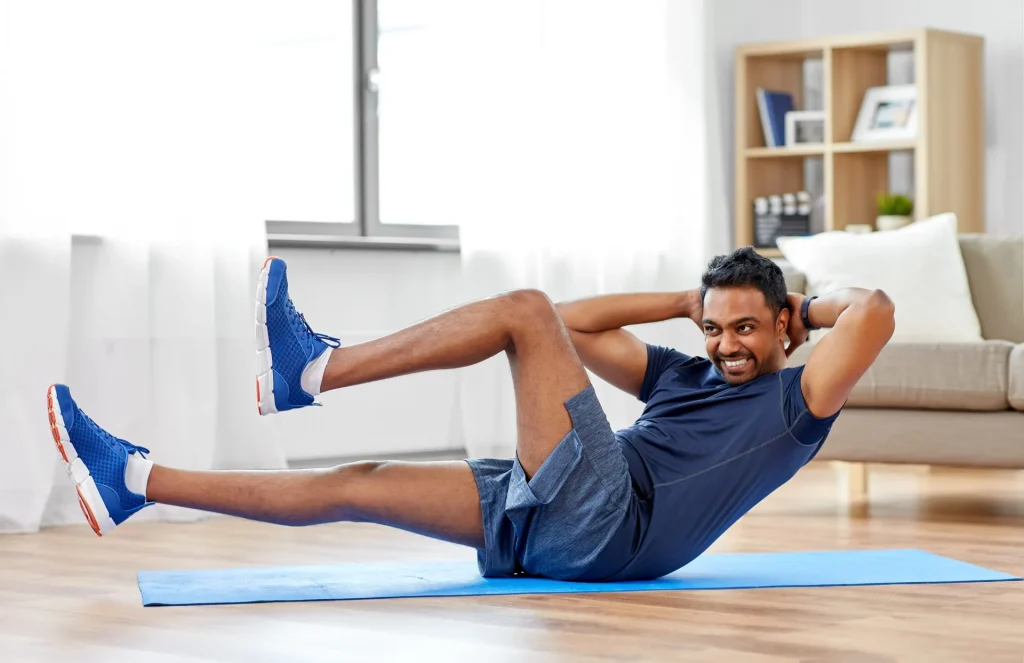
Genetic testing aimed at uncovering insights into sports performance and injury risk has gained traction in recent years. From 2013 to 2019, the number of companies offering such tests surged from 20 to approximately 70. Moreover, countries like Uzbekistan, China, and Australia have integrated genetic testing into their talent identification programs for sports, underscoring the growing relevance of genetic insights in athletic endeavors.
Skepticism and Challenges

Despite the enthusiasm surrounding genetic testing, skepticism persists among researchers regarding its efficacy and scientific validity. Dr. Timothy Caulfield, a professor at the University of Alberta, highlights the discrepancy between the initial excitement surrounding genetic discoveries, such as the BRCA1 and BRCA2 genes linked to breast cancer, and the subsequent lack of substantial progress in leveraging genetic insights for health and fitness optimization. Moreover, concerns are raised regarding the interpretation of genetic test results and the potential for misleading or overly generalized advice.
Navigating the Landscape of Genetic Fitness Testing

While genetic fitness tests hold promise in providing personalized insights into training approaches and potential predispositions, caution is warranted in their interpretation and application. Dr. Dylan MacKay from the University of Manitoba underscores the importance of distinguishing between associations and causal effects in genetic testing outcomes. Despite these challenges, proponents like Devin Maier, co-owner of Balance Gym in Washington, DC, see value in genetic insights for tailoring workout regimens and optimizing performance.
As the field of genetic testing continues to evolve, it is essential to maintain a balanced perspective on its potential benefits and limitations. While genetic insights can offer valuable guidance in optimizing health and fitness, they should be viewed as one piece of the puzzle alongside factors like diet, training, motivation, and environmental influences. Ultimately, individuals should approach genetic testing with cautious optimism, recognizing its potential while acknowledging the complexity of human physiology and the multifactorial nature of fitness and performance.
What role do you think genetics plays in overall fitness? Leave your thoughts in the comments below.
Fitness
What 10 Minutes of Walking Immediately After Meals Does to Your Blood Sugar?
Blunting that spike doesn’t require intense cardio or an hour at the gym. A simple 10-minute walk right after eating changes everything.
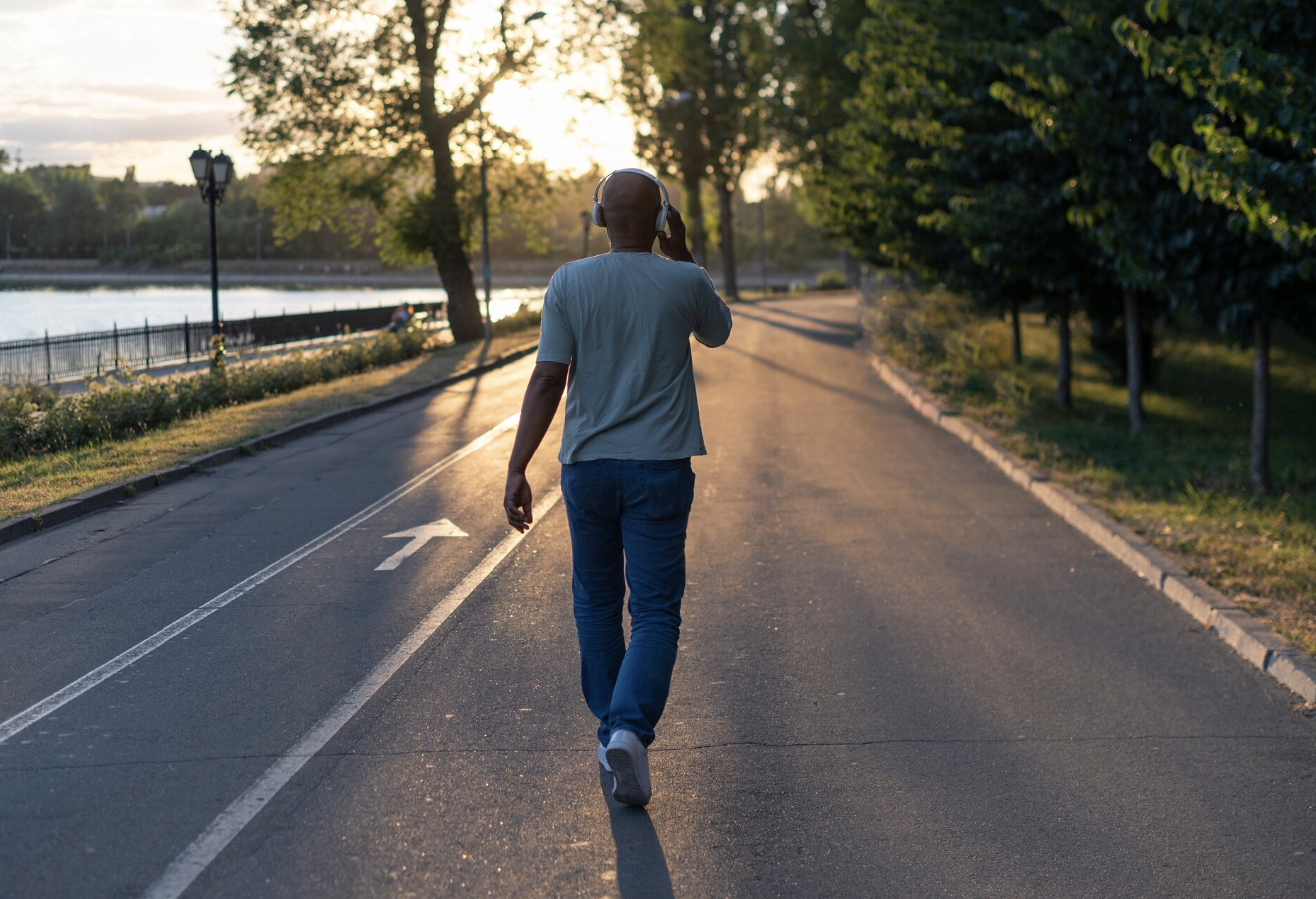
You finish lunch, clean up your plate, and sit right back down at your desk or collapse onto the couch. Within an hour, a wave of heaviness hits, leaving you sluggish and hunting for an afternoon snack.
This post-meal slump isn’t just about digestion—it’s driven by a sudden spike in your blood sugar. Luckily, blunting that spike doesn’t require intense cardio or an hour at the gym. A simple 10-minute walk right after eating changes everything.
“I used to get so sleepy after lunch that I could barely keep my eyes open during afternoon meetings. Taking a quick 10-minute stroll around the block sounded too simple to work, but my energy hasn’t crashed once since I started.” — Rachel Vance, 41, Accountant
1. Your Muscles Act Like “Glucose Sponges”
When you digest food, your body breaks carbohydrates down into glucose, which enters your bloodstream. Normally, your pancreas has to release a flood of insulin to move that sugar out of your blood and into your cells.
When you contract your leg muscles by walking, those muscles soak up glucose directly from your blood for instant fuel—without needing extra insulin. This mechanism keeps your blood sugar curve smooth and flat instead of sharp and elevated.
2. You Stop the “Spike-and-Crash” Cycle
Sitting still after a heavy meal allows glucose to pool in your bloodstream, creating a steep peak followed by a dramatic drop. That sudden crash is what triggers intense cravings, brain fog, and irritability around 3 PM.
Moving right away keeps your circulation active, spreading out energy delivery so you stay alert without the sudden drop.
“My doctor recommended a short post-meal walk to manage my sugar levels. It takes almost no effort, but my daily energy is noticeably more consistent.” — Arthur Pendelton, 62, Retired Administrator
3. How to Make the 10-Minute Habit Stick
-
Timing beats intensity: You don’t need to power-walk or break a sweat. A casual, easy-paced stroll works perfectly, as long as you start within 15–20 minutes of finishing your meal.
-
Keep it flexible: Bad weather? Pace around your living room, walk up and down a hallway, or tidy up the kitchen. Any light movement counts.
-
Anchor it to lunch: Make it a rule that your workday break ends with a brief 10-minute loop outside before you sit back down at your computer.
Fitness
When Was the Last Time You Gave Your Brain Something New to Solve?
We wake up, answer messages, work through familiar routines, and make many of the same decisions we’ve made before.

Fitness
Why So Many People Wake Up Tired — Even After a Full Night’s Sleep
Ever wake up after what should have been a good night’s sleep… only to feel like you could go right back to bed?


What 10 Minutes of Walking Immediately After Meals Does to Your Blood Sugar?

The 60-Second Reset #01: A 10-Second Fix for Screen-Strained Eyes

Hot vs Cold Therapy: Harnessing Thermal Stress for Metabolic and Mental Resilience

The Vagus Nerve & Nervous System Regulation: Taming the Unseen Stress Response

The 50+ Turning Point: Why Midlife is Ground Zero for Long-Term Vitality

What’s One Piece of Health Advice That Actually Worked for You?

Can Small Sleep Changes Improve Mental Sharpness? Here’s What Researchers Are Learning

The Optical Dilation Trick: How Expanding Your Vision Resets Desk Eye Strain and Anxiety
The Vagus Nerve & Nervous System Regulation: Taming the Unseen Stress Response
Hot vs Cold Therapy: Harnessing Thermal Stress for Metabolic and Mental Resilience
-

 Fitness3 months ago
Unexpected Health Habit: Not a Diet or Supplement – Just One Everyday Habit Worth Noticing
-
 Health4 months ago
What Your Hands Quietly Reveal About Your Digestion (And How To Use It)
-
 Fitness4 months ago
5 Health Myths Most Adults Still Believe And What Actually Matters Instead
-

 Health3 months ago
Have You Ever Wondered Why Homemade Meals Rarely Taste the Same?
-
 Fitness4 months ago
Experts Reveal: The 1-Minute Routine That Improves Digestion Instantly
-
 Health3 months ago
“Lazy Meal Prep”: The easier way people are actually sticking to healthy eating
-
 Health4 months ago
You Slept 8 Hours… So Why Do You Still Feel Exhausted?
-
 Health2 months ago
How Many Steps a Day Actually Matter for Longevity – 5K or 15K?