
Fitness
Staying Safe on the Treadmill
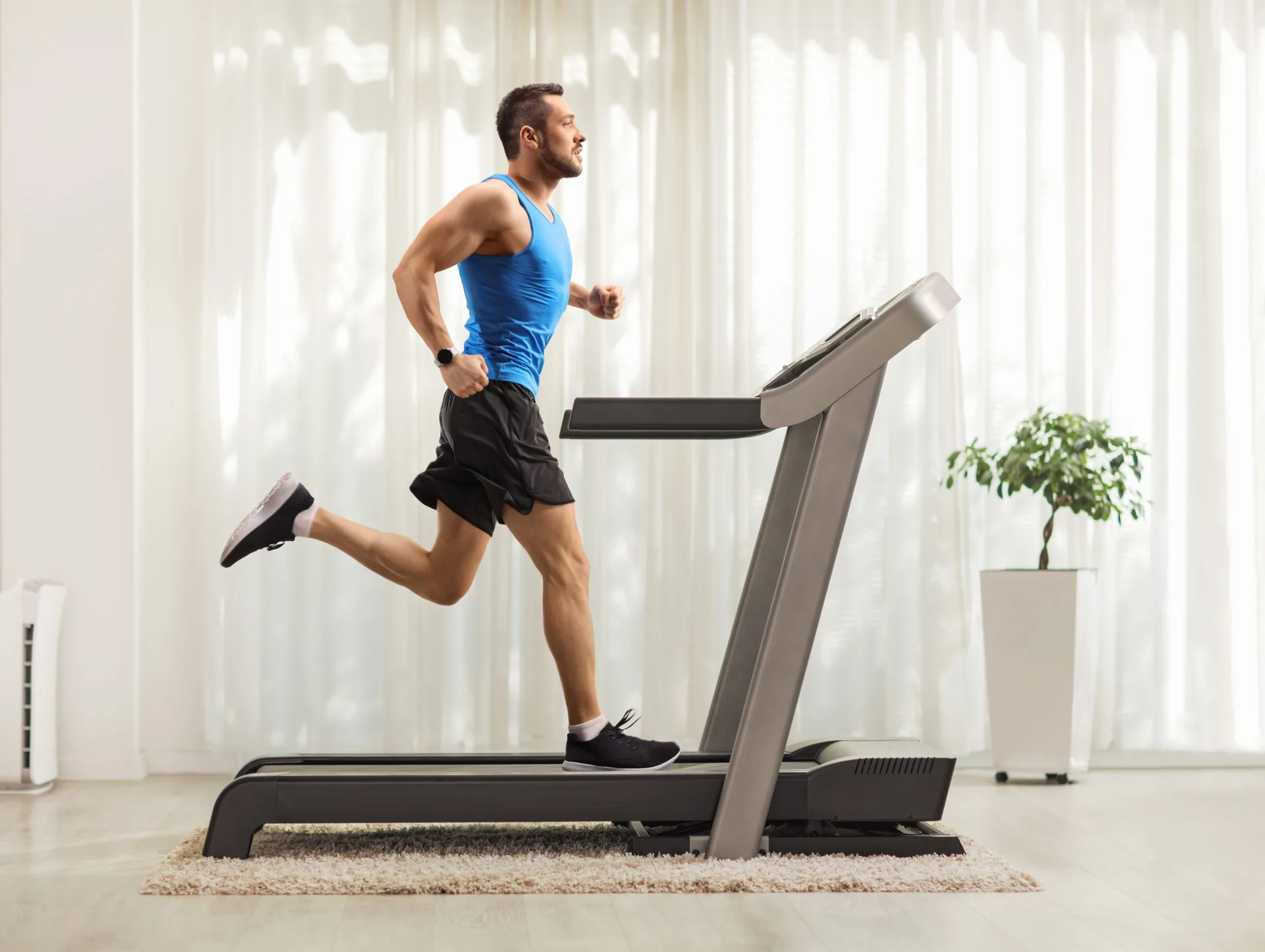
In the bustling world of fitness equipment, treadmills stand as a beacon of convenience, promising indoor workouts irrespective of weather conditions or time of day. Yet, beneath their glossy surfaces lies a lurking danger that often goes unnoticed. Treadmills, while immensely popular, can pose significant risks, particularly for individuals over the age of 50 who may be more susceptible to injuries and less resilient in recovery.
According to the US Consumer Product Safety Commission, treadmills are the primary culprits behind exercise equipment-related injuries, surpassing all other gym apparatus. In 2019 alone, over 22,000 treadmill-related accidents led to emergency room visits, shedding light on the gravity of the issue. From slips, sprains, and strains to severe burns, concussions, and even fatalities (albeit rare), the spectrum of treadmill-induced injuries is broad and alarming.
Mitigating Risks: Expert Safety Recommendations
What’s particularly concerning is that treadmill hazards extend beyond just users. Children and pets are notably vulnerable to treadmill mishaps, especially in home settings. The tragic incident involving the Peloton Tread+ machine, where a child lost their life, serves as a grim reminder of this fact, prompting urgent warnings from regulatory authorities.
Dana Noffsinger, a nurse practitioner at Nationwide Children’s Hospital, Columbus, Ohio, conducted a study on treadmill burns in children, revealing the severity of such injuries. These burns, often sustained when a child’s hand gets trapped under the moving treadmill belt, can be deeper and more challenging to heal compared to burns from conventional sources like hot stovetops.
Essential Safety Measures: A Step-by-Step Guide
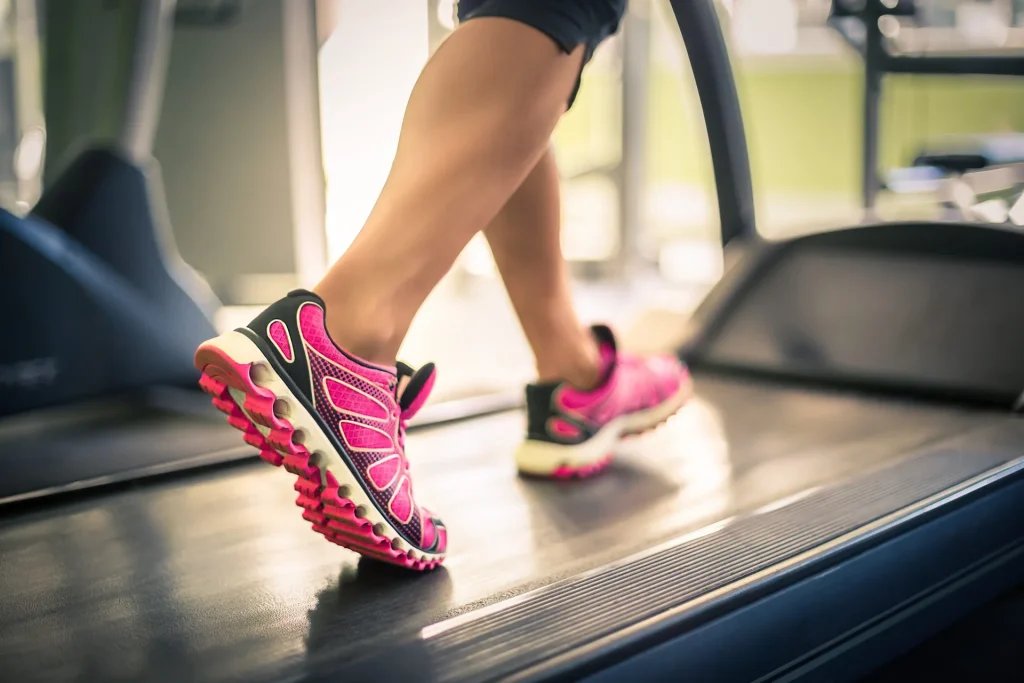
First and foremost, proper attire and footwear are crucial. Wearing well-fitting exercise clothing and sturdy shoes provide stability and reduce the likelihood of slips or falls. Before stepping onto the treadmill, a thorough warm-up comprising stretches and range-of-motion exercises prepares the body for the impending activity.
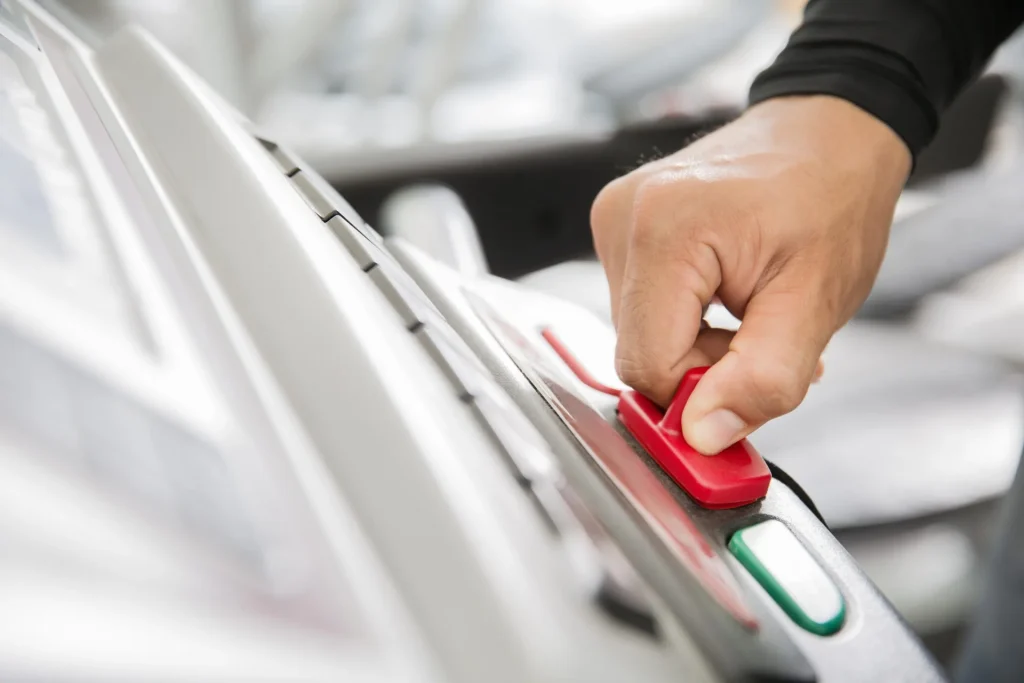
Once on the machine, securely attaching the safety key to your attire is imperative. This safety feature acts as a failsafe mechanism, instantly halting the treadmill in case of an emergency, potentially averting serious injuries.
Common Mistakes and How to Avoid Them
Neglecting to use the safety key ranks among the top mistakes treadmill users make, according to Stevenson. He aptly compares walking on a treadmill without a safety key to driving without a seatbelt – a risk not worth taking.
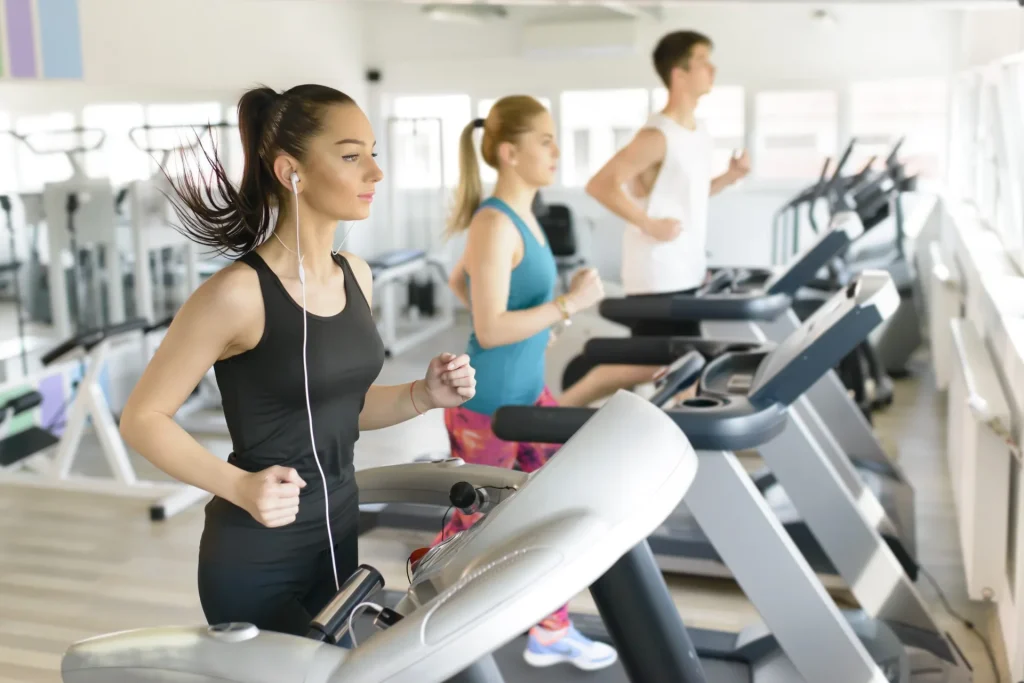
Furthermore, exercising caution during treadmill activities is paramount. Avoid walking too close to the console, jumping on and off while the machine is in motion, or setting speeds beyond your capacity. Distractions, such as engaging in conversations or looking away while running, can also compromise safety.
For those utilizing treadmills at home, additional precautions are necessary. Maintain ample clearance behind the treadmill to ensure a safe landing space in case of a fall. Regular maintenance, including lubricating the belt as per manufacturer guidelines and keeping the machine clean, is essential for optimal performance and safety.
Ensuring Safety in Home Environments
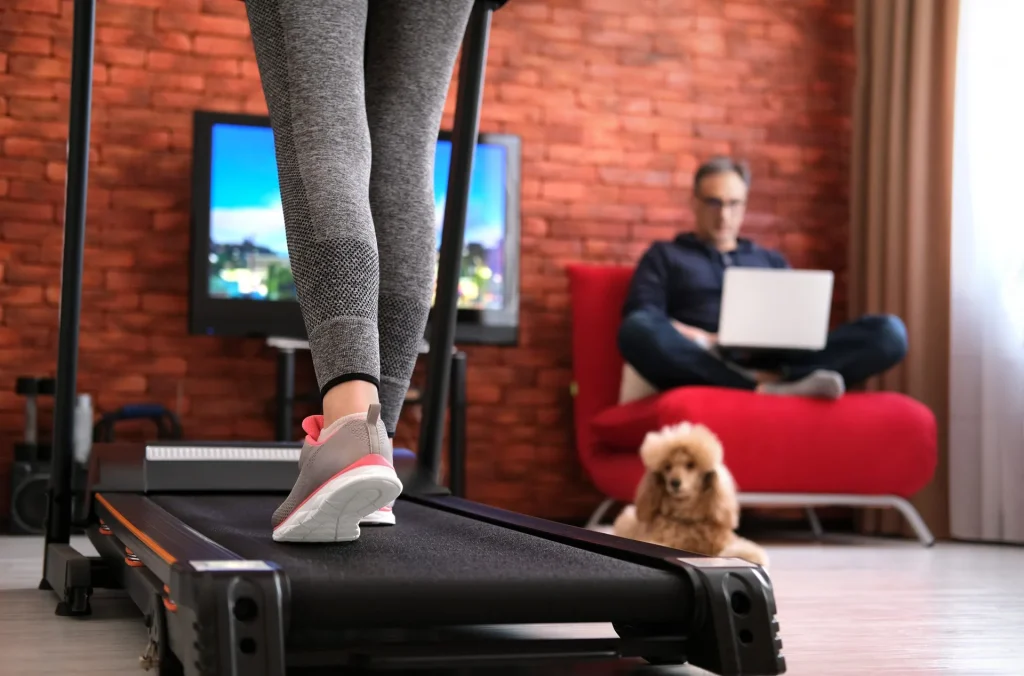
Above all, never allow children or pets in the vicinity of an operating treadmill. The consequences of a momentary lapse in supervision can be catastrophic.
While age is not a deterrent to treadmill usage, it’s essential to exercise prudence, especially for older adults. Starting gradually and allowing the body to adapt to the treadmill’s unique dynamics can prevent overexertion and reduce the risk of injuries.
Benefits of Treadmill Exercise for Older Adults: A Comprehensive Guide
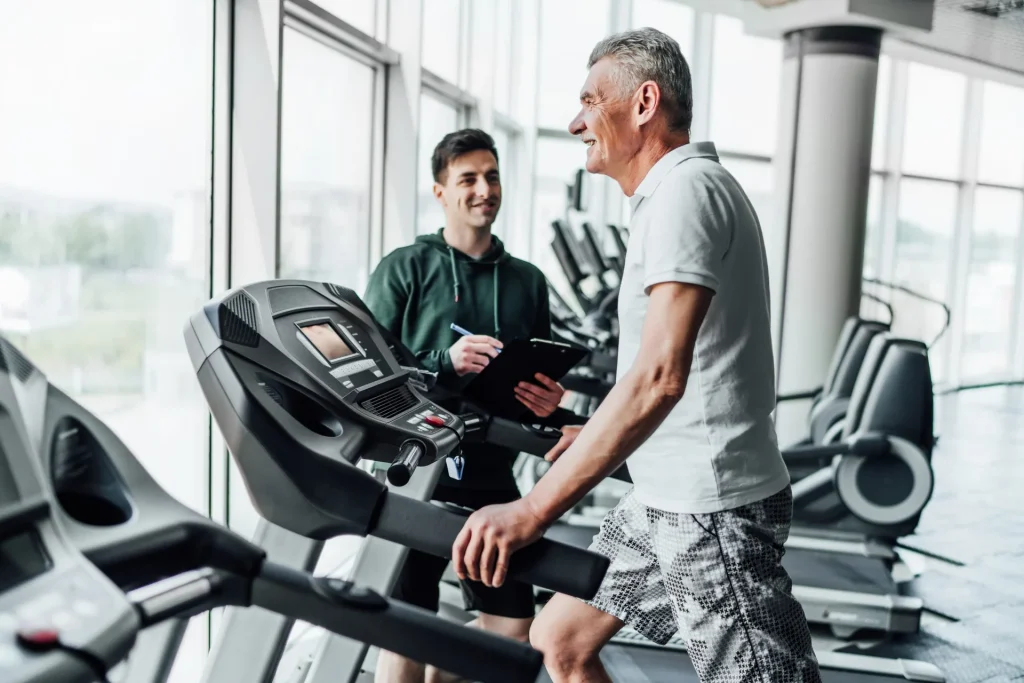
Treadmill exercise holds numerous benefits for older adults, beyond the risks associated with its usage. Regular treadmill workouts can enhance cardiovascular health, improve endurance, and aid in weight management. Additionally, treadmill walking or jogging provides a controlled environment for exercise, minimizing the impact on joints compared to outdoor surfaces like pavement or trails.
Research suggests that treadmill exercise may also have cognitive benefits for older adults. A study published in the Journal of Alzheimer’s Disease found that regular treadmill walking improved cognitive function and reduced the risk of cognitive decline in older adults with mild cognitive impairment.
Incorporating Treadmill Workouts into Your Routine

If you’re new to treadmill exercise or returning after a hiatus, it’s essential to start gradually and listen to your body. Begin with short sessions at a moderate intensity, gradually increasing the duration and intensity as your fitness level improves. Incorporate variety into your treadmill workouts by adjusting the speed, incline, and workout programs to keep your routine engaging and challenging.
Consulting with a fitness professional or healthcare provider can help you develop a safe and effective treadmill exercise plan tailored to your individual needs and goals. They can provide guidance on proper form, intensity levels, and progression to ensure you reap the maximum benefits while minimizing the risk of injury.
Treadmills offer a convenient and effective way for individuals over 50 to stay active and maintain their fitness levels. However, it’s essential to approach treadmill usage with caution and adhere to safety guidelines to prevent injuries. By following expert recommendations, exercising mindfulness during workouts, and gradually progressing your exercise routine, you can enjoy the benefits of treadmill exercise while minimizing the risks. Remember, safety always comes first, especially when it comes to preserving your health and well-being.
Will this help you to keep safe while you ride the treadmill? Leave your thoughts in the comments below.
Fitness
What 10 Minutes of Walking Immediately After Meals Does to Your Blood Sugar?
Blunting that spike doesn’t require intense cardio or an hour at the gym. A simple 10-minute walk right after eating changes everything.

You finish lunch, clean up your plate, and sit right back down at your desk or collapse onto the couch. Within an hour, a wave of heaviness hits, leaving you sluggish and hunting for an afternoon snack.
This post-meal slump isn’t just about digestion—it’s driven by a sudden spike in your blood sugar. Luckily, blunting that spike doesn’t require intense cardio or an hour at the gym. A simple 10-minute walk right after eating changes everything.
“I used to get so sleepy after lunch that I could barely keep my eyes open during afternoon meetings. Taking a quick 10-minute stroll around the block sounded too simple to work, but my energy hasn’t crashed once since I started.” — Rachel Vance, 41, Accountant
1. Your Muscles Act Like “Glucose Sponges”
When you digest food, your body breaks carbohydrates down into glucose, which enters your bloodstream. Normally, your pancreas has to release a flood of insulin to move that sugar out of your blood and into your cells.
When you contract your leg muscles by walking, those muscles soak up glucose directly from your blood for instant fuel—without needing extra insulin. This mechanism keeps your blood sugar curve smooth and flat instead of sharp and elevated.
2. You Stop the “Spike-and-Crash” Cycle
Sitting still after a heavy meal allows glucose to pool in your bloodstream, creating a steep peak followed by a dramatic drop. That sudden crash is what triggers intense cravings, brain fog, and irritability around 3 PM.
Moving right away keeps your circulation active, spreading out energy delivery so you stay alert without the sudden drop.
“My doctor recommended a short post-meal walk to manage my sugar levels. It takes almost no effort, but my daily energy is noticeably more consistent.” — Arthur Pendelton, 62, Retired Administrator
3. How to Make the 10-Minute Habit Stick
-
Timing beats intensity: You don’t need to power-walk or break a sweat. A casual, easy-paced stroll works perfectly, as long as you start within 15–20 minutes of finishing your meal.
-
Keep it flexible: Bad weather? Pace around your living room, walk up and down a hallway, or tidy up the kitchen. Any light movement counts.
-
Anchor it to lunch: Make it a rule that your workday break ends with a brief 10-minute loop outside before you sit back down at your computer.
Fitness
When Was the Last Time You Gave Your Brain Something New to Solve?
We wake up, answer messages, work through familiar routines, and make many of the same decisions we’ve made before.

Fitness
Why So Many People Wake Up Tired — Even After a Full Night’s Sleep
Ever wake up after what should have been a good night’s sleep… only to feel like you could go right back to bed?


What 10 Minutes of Walking Immediately After Meals Does to Your Blood Sugar?

The 60-Second Reset #01: A 10-Second Fix for Screen-Strained Eyes

Hot vs Cold Therapy: Harnessing Thermal Stress for Metabolic and Mental Resilience

The Vagus Nerve & Nervous System Regulation: Taming the Unseen Stress Response

The 50+ Turning Point: Why Midlife is Ground Zero for Long-Term Vitality

What’s One Piece of Health Advice That Actually Worked for You?

Can Small Sleep Changes Improve Mental Sharpness? Here’s What Researchers Are Learning

The Optical Dilation Trick: How Expanding Your Vision Resets Desk Eye Strain and Anxiety
The Vagus Nerve & Nervous System Regulation: Taming the Unseen Stress Response
Hot vs Cold Therapy: Harnessing Thermal Stress for Metabolic and Mental Resilience
-

 Fitness3 months ago
Unexpected Health Habit: Not a Diet or Supplement – Just One Everyday Habit Worth Noticing
-
 Health4 months ago
What Your Hands Quietly Reveal About Your Digestion (And How To Use It)
-
 Fitness4 months ago
5 Health Myths Most Adults Still Believe And What Actually Matters Instead
-

 Health3 months ago
Have You Ever Wondered Why Homemade Meals Rarely Taste the Same?
-
 Fitness4 months ago
Experts Reveal: The 1-Minute Routine That Improves Digestion Instantly
-
 Health3 months ago
“Lazy Meal Prep”: The easier way people are actually sticking to healthy eating
-
 Health4 months ago
You Slept 8 Hours… So Why Do You Still Feel Exhausted?
-
 Health2 months ago
How Many Steps a Day Actually Matter for Longevity – 5K or 15K?