
Fitness
Unlocking Peak Performance With Supplements For Weight Loss

In the quest for peak performance and optimal health, many fitness enthusiasts turn to supplements to complement their diet and exercise routines. Among them is Hayley Madigan, a renowned UK-based personal trainer and former bodybuilder, who credits six key supplements for her success in maintaining top-notch shape. With over 500,000 followers on social media, Madigan’s transparent approach to fitness, including discussions on how menstrual cycles impact workouts, has garnered widespread attention.
Creatine: Fueling Muscular Strength and Recovery
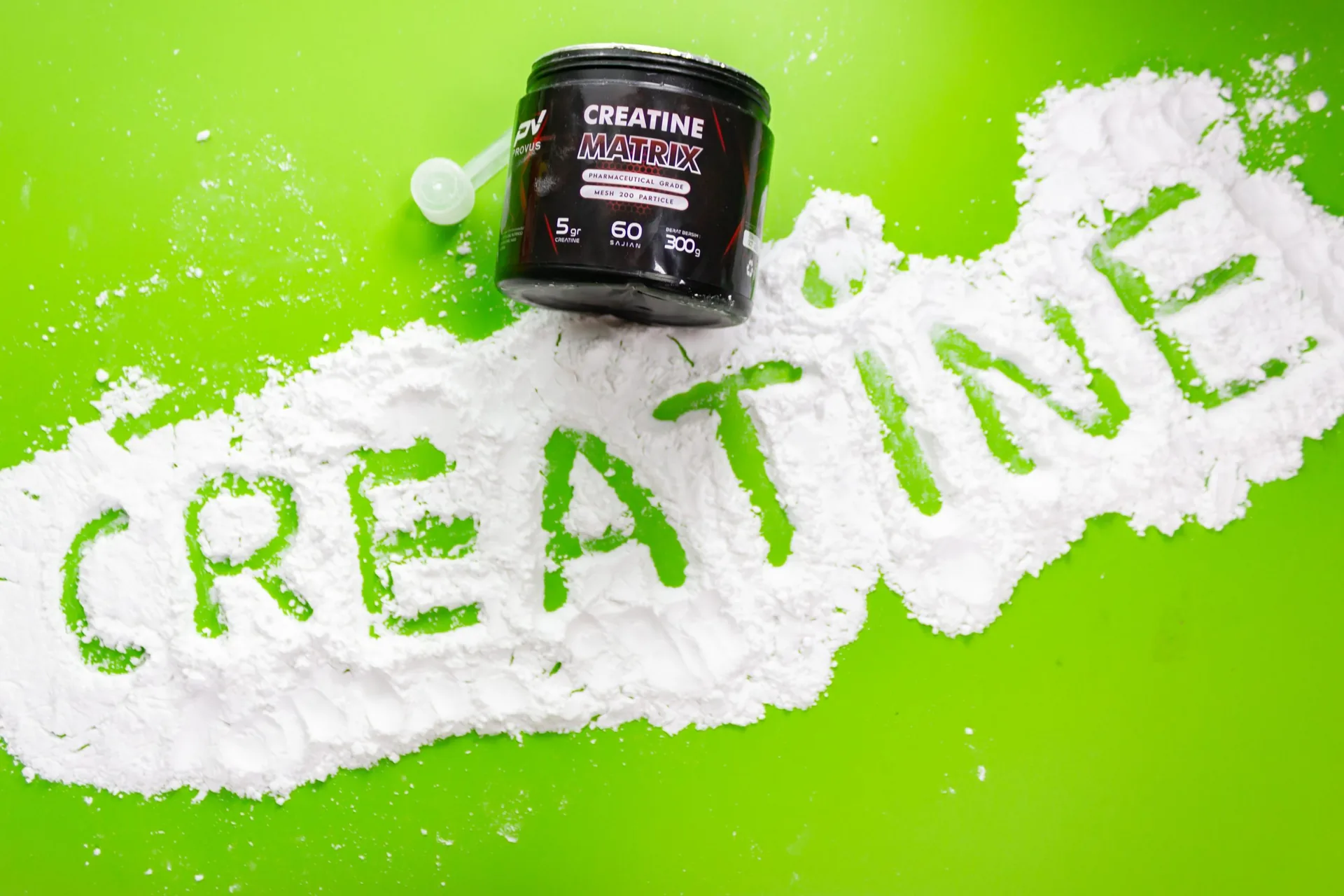
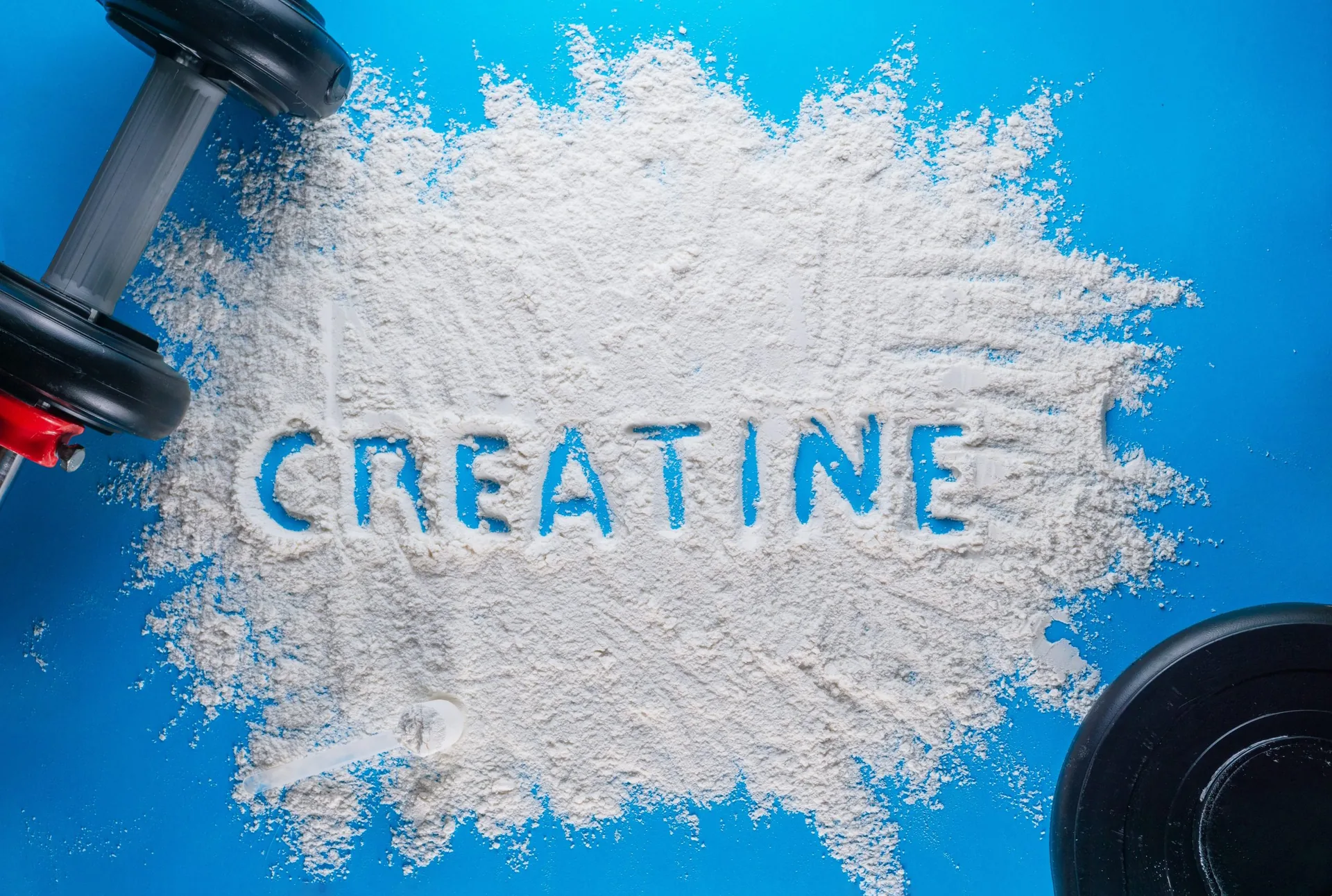
One of Madigan’s go-to supplements is creatine, a naturally occurring amino acid found in muscles and the brain. While seafood and red meat provide dietary sources of creatine, supplements offer a concentrated form that can enhance muscle size, strength, and performance. Research supports its role in reducing recovery time, particularly for athletes engaged in high-intensity activities like sprinting or rigorous workouts. Additionally, creatine may offer cognitive benefits and even aid in reducing wrinkles when applied topically.
Protein Powder: The Foundation of Muscle Repair and Growth
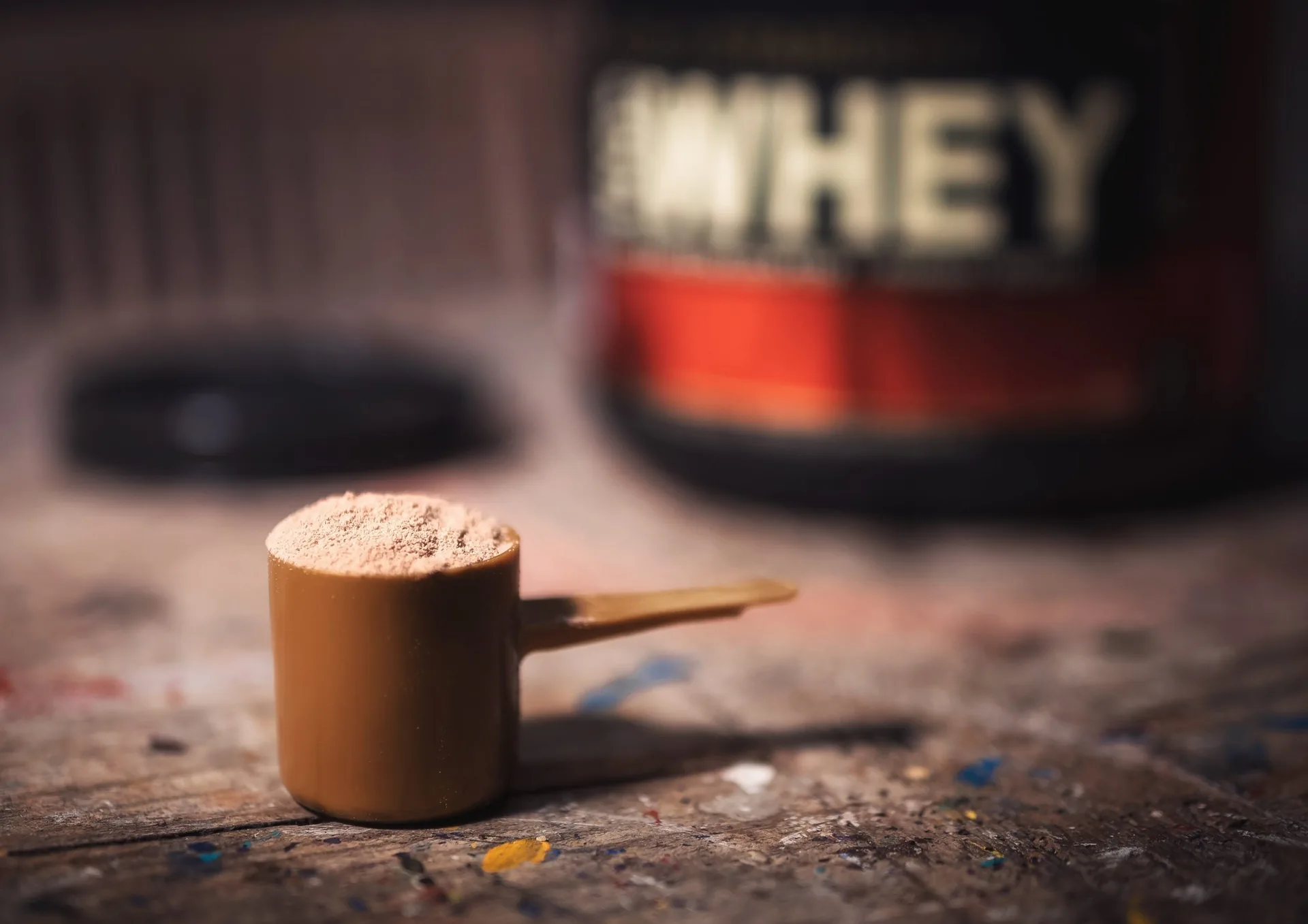
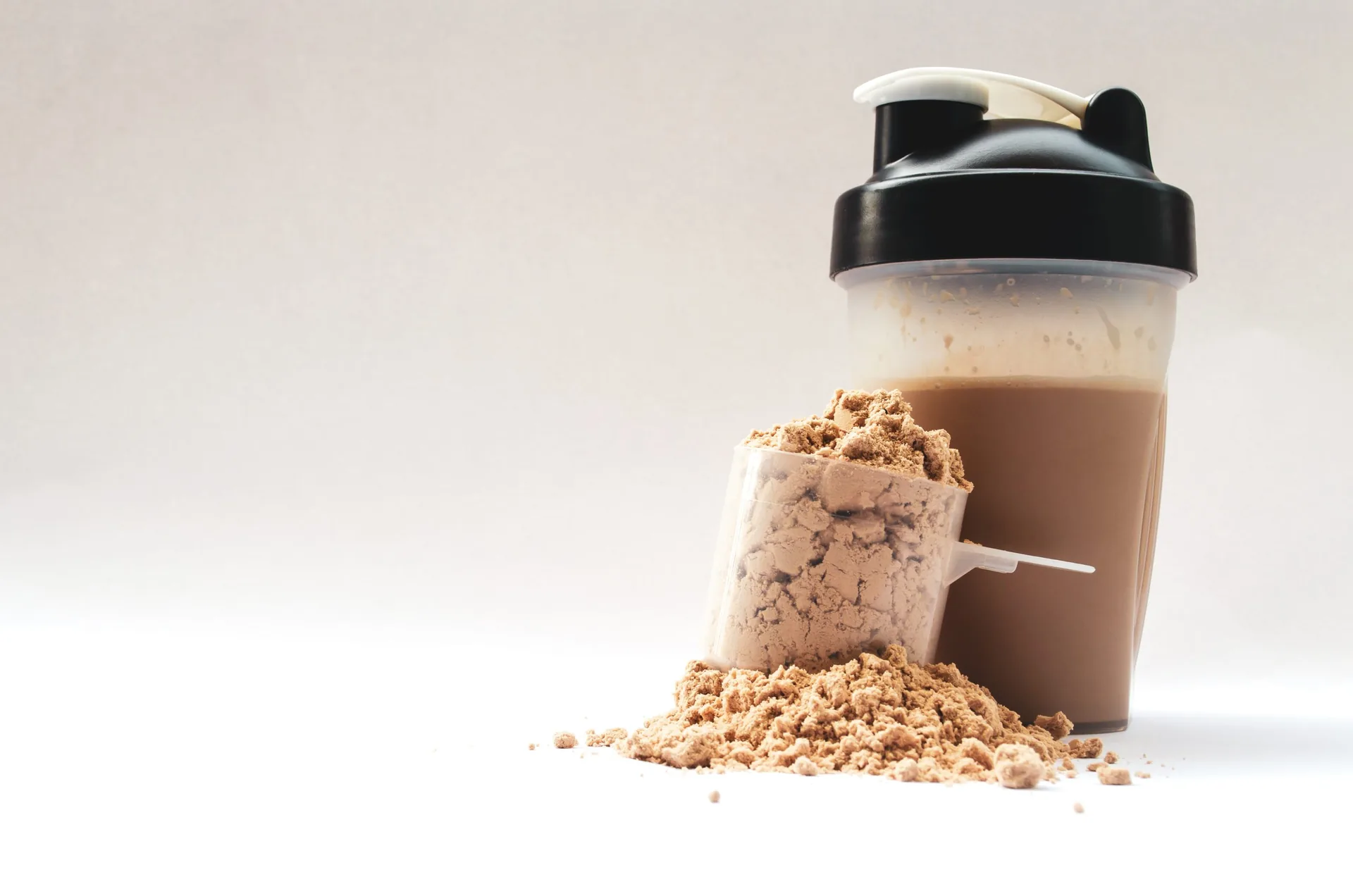
As a staple in many fitness regimens, protein powder serves as a convenient source of this essential macronutrient. Madigan incorporates whey protein into her post-workout routine to support muscle repair and growth. With recommendations to consume around 20 grams of protein within two hours after exercise, protein shakes offer a quick and efficient way to meet these needs, especially for individuals engaged in weightlifting or intense physical activity.
ZMA: Enhancing Muscle Recovery and Sleep Quality
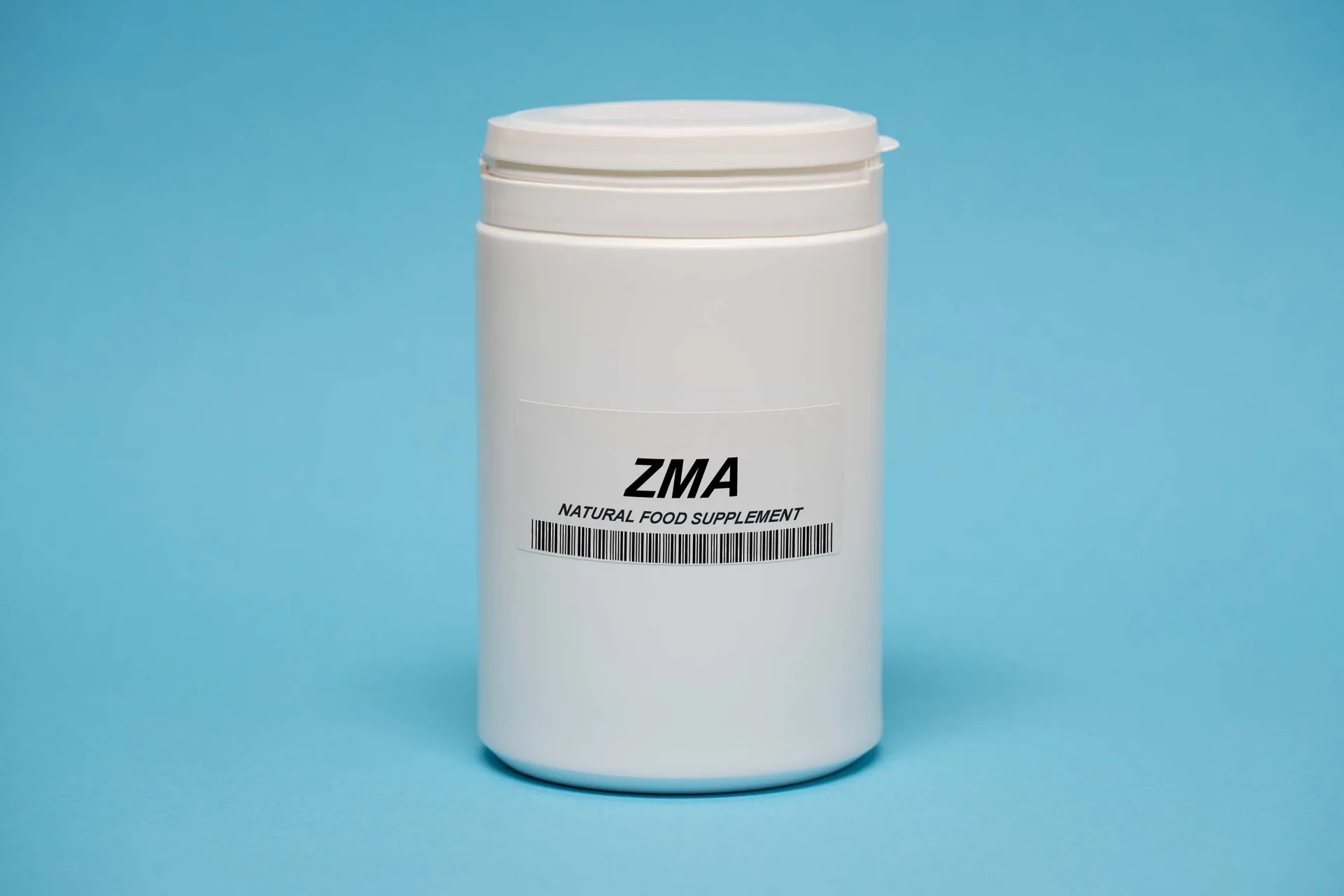
ZMA, a blend of zinc, magnesium, and vitamin B6, is reputed to aid in muscle recovery and improve sleep quality. While research on its efficacy remains limited, some evidence suggests potential benefits for muscle function and recovery. Madigan includes ZMA in her evening regimen to support physiological processes crucial for overall well-being, highlighting its role in promoting restorative sleep and muscle repair.
Ashwagandha: Nurturing Calmness and Stress Relief
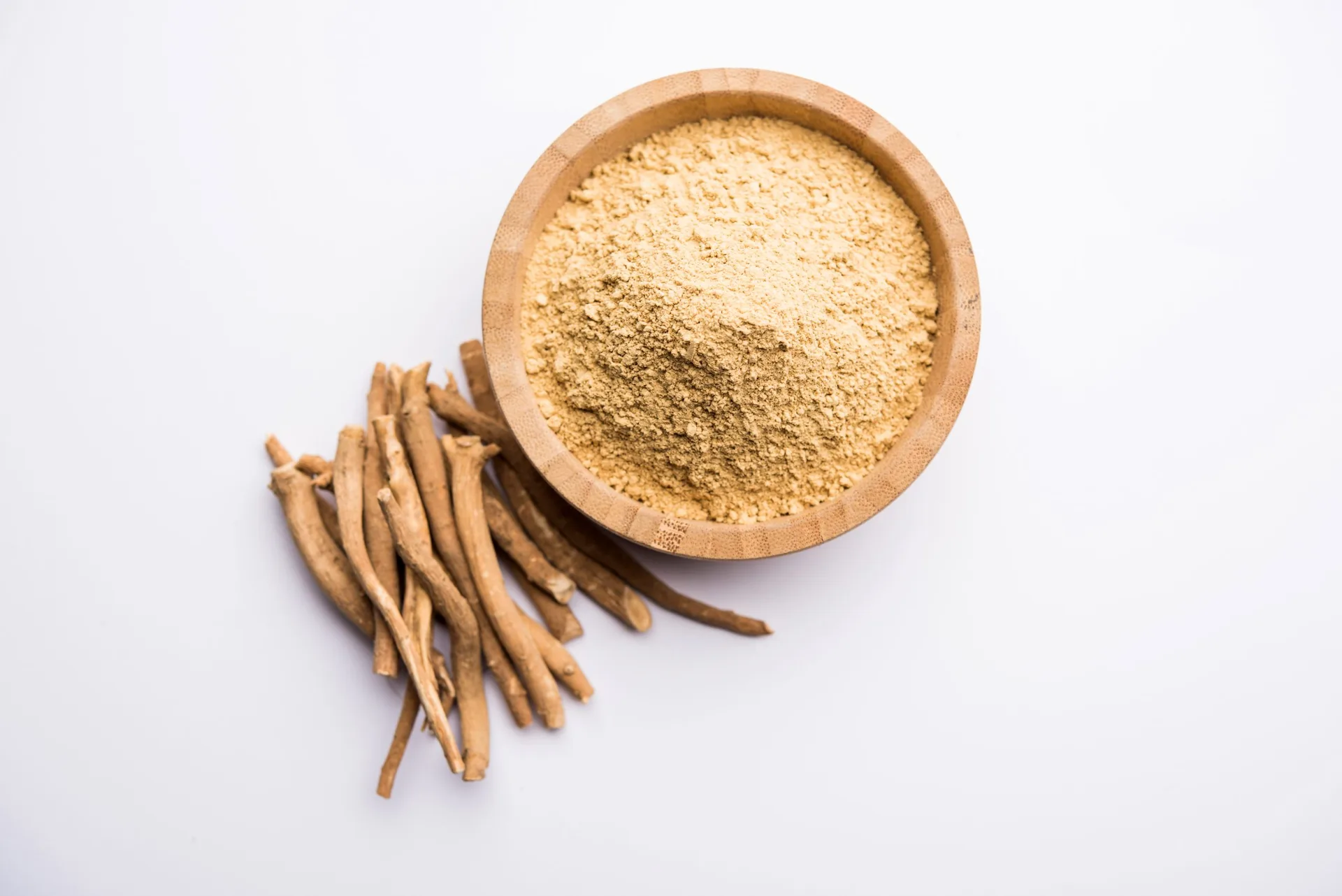
Derived from traditional Ayurvedic medicine, ashwagandha has gained popularity for its purported ability to alleviate stress and improve sleep. Madigan incorporates this ancient herb into her daily routine to promote a sense of calmness and relaxation. While research on ashwagandha’s benefits is ongoing, preliminary studies suggest potential advantages in reducing stress levels and enhancing sleep quality.
Glutamine: Supporting Immune Function and Muscle Recovery
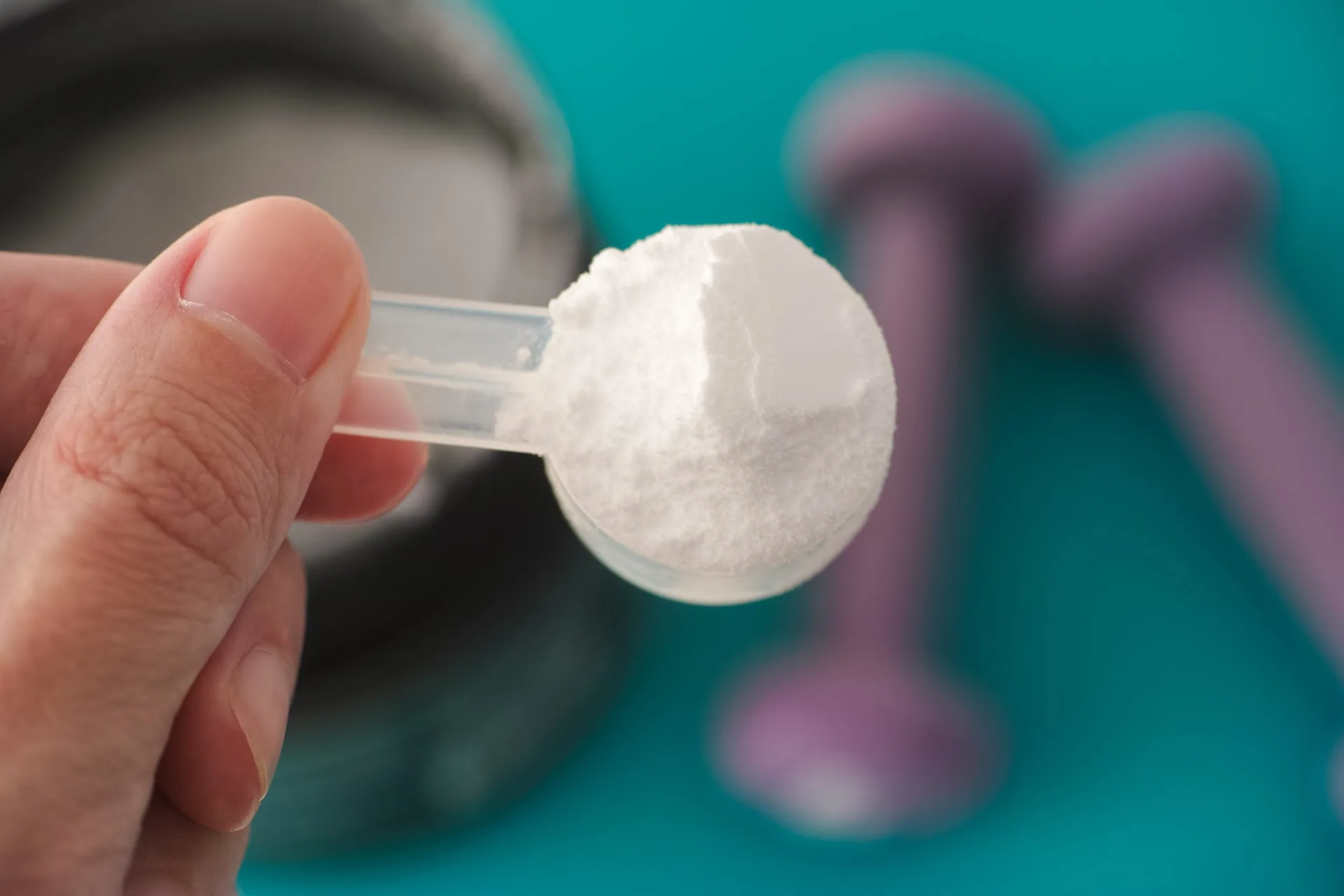
As the most abundant amino acid in the body, glutamine plays a vital role in immune function and muscle repair. While the body can synthesize glutamine under normal circumstances, supplementation may be beneficial during periods of high stress or injury. Madigan includes glutamine in her regimen to support recovery and reduce muscle soreness, especially during intense training periods.
Hydroxymethylbutyrate (HMB): Preserving Lean Muscle Mass and Function
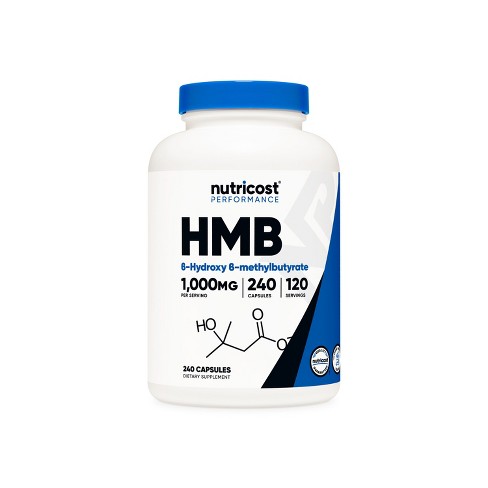
HMB, a metabolite of the amino acid leucine, is believed to help preserve lean muscle mass and improve muscle function. While research on its efficacy in young, healthy individuals is limited, studies suggest potential benefits for reversing frailty and enhancing cognitive performance in older adults. Madigan incorporates HMB into her routine to support muscle maintenance, particularly during periods of intense training or high stress.
As Hayley Madigan’s regimen exemplifies, supplements can play a valuable role in supporting fitness goals and overall well-being. From enhancing muscle recovery to promoting restful sleep and reducing stress, each supplement offers unique benefits that complement a balanced diet and regular exercise routine. While individual responses may vary, incorporating these supplements mindfully and in consultation with healthcare professionals can unlock new levels of performance and vitality in pursuit of fitness excellence.
What supplements do you consider to be the most essential? Leave your thoughts in the comments below.
Fitness
What 10 Minutes of Walking Immediately After Meals Does to Your Blood Sugar?
Blunting that spike doesn’t require intense cardio or an hour at the gym. A simple 10-minute walk right after eating changes everything.

You finish lunch, clean up your plate, and sit right back down at your desk or collapse onto the couch. Within an hour, a wave of heaviness hits, leaving you sluggish and hunting for an afternoon snack.
This post-meal slump isn’t just about digestion—it’s driven by a sudden spike in your blood sugar. Luckily, blunting that spike doesn’t require intense cardio or an hour at the gym. A simple 10-minute walk right after eating changes everything.
“I used to get so sleepy after lunch that I could barely keep my eyes open during afternoon meetings. Taking a quick 10-minute stroll around the block sounded too simple to work, but my energy hasn’t crashed once since I started.” — Rachel Vance, 41, Accountant
1. Your Muscles Act Like “Glucose Sponges”
When you digest food, your body breaks carbohydrates down into glucose, which enters your bloodstream. Normally, your pancreas has to release a flood of insulin to move that sugar out of your blood and into your cells.
When you contract your leg muscles by walking, those muscles soak up glucose directly from your blood for instant fuel—without needing extra insulin. This mechanism keeps your blood sugar curve smooth and flat instead of sharp and elevated.
2. You Stop the “Spike-and-Crash” Cycle
Sitting still after a heavy meal allows glucose to pool in your bloodstream, creating a steep peak followed by a dramatic drop. That sudden crash is what triggers intense cravings, brain fog, and irritability around 3 PM.
Moving right away keeps your circulation active, spreading out energy delivery so you stay alert without the sudden drop.
“My doctor recommended a short post-meal walk to manage my sugar levels. It takes almost no effort, but my daily energy is noticeably more consistent.” — Arthur Pendelton, 62, Retired Administrator
3. How to Make the 10-Minute Habit Stick
-
Timing beats intensity: You don’t need to power-walk or break a sweat. A casual, easy-paced stroll works perfectly, as long as you start within 15–20 minutes of finishing your meal.
-
Keep it flexible: Bad weather? Pace around your living room, walk up and down a hallway, or tidy up the kitchen. Any light movement counts.
-
Anchor it to lunch: Make it a rule that your workday break ends with a brief 10-minute loop outside before you sit back down at your computer.
Fitness
When Was the Last Time You Gave Your Brain Something New to Solve?
We wake up, answer messages, work through familiar routines, and make many of the same decisions we’ve made before.

Fitness
Why So Many People Wake Up Tired — Even After a Full Night’s Sleep
Ever wake up after what should have been a good night’s sleep… only to feel like you could go right back to bed?
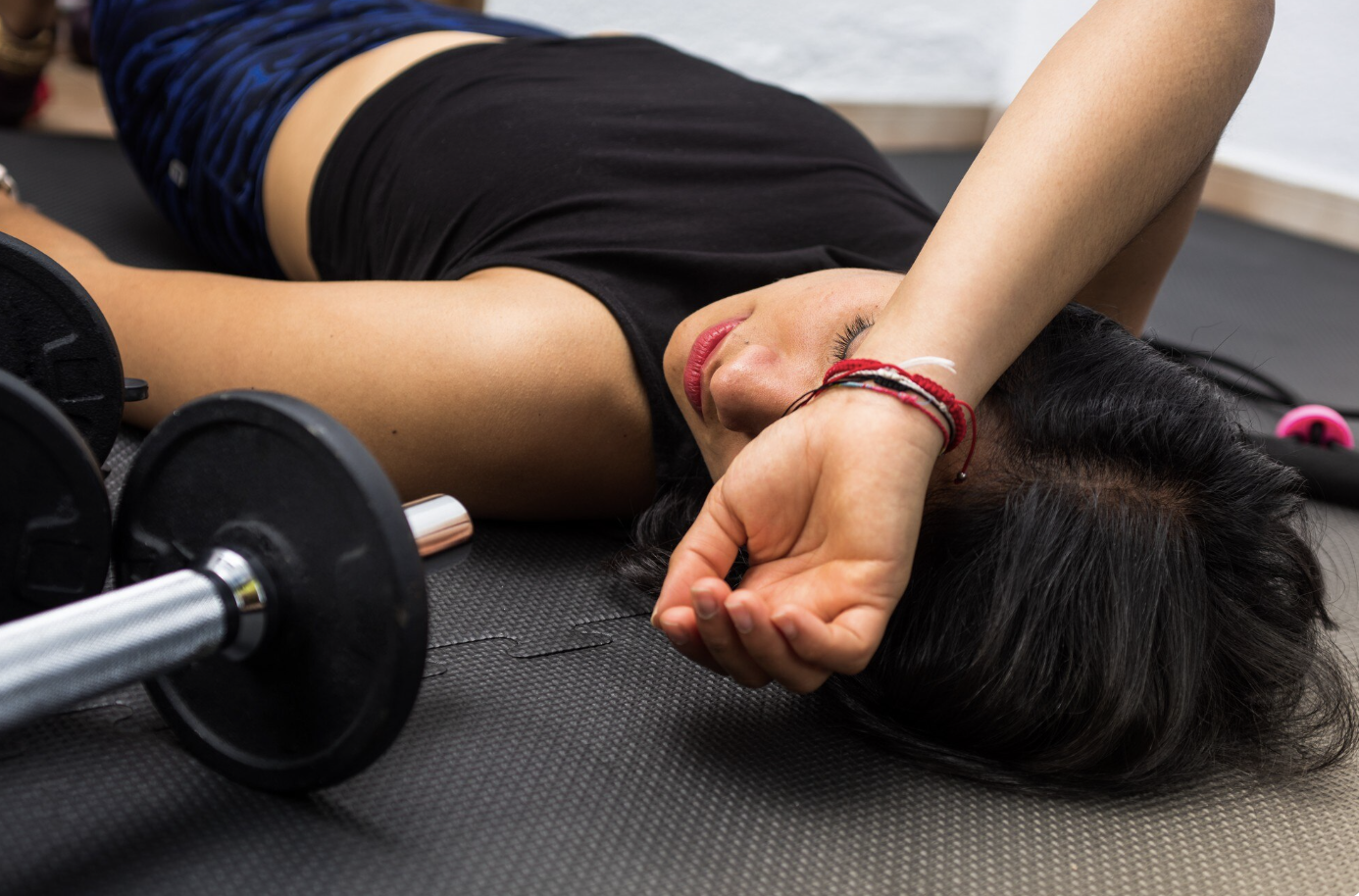


What 10 Minutes of Walking Immediately After Meals Does to Your Blood Sugar?

The 60-Second Reset #01: A 10-Second Fix for Screen-Strained Eyes

Hot vs Cold Therapy: Harnessing Thermal Stress for Metabolic and Mental Resilience

The Vagus Nerve & Nervous System Regulation: Taming the Unseen Stress Response

The 50+ Turning Point: Why Midlife is Ground Zero for Long-Term Vitality

What’s One Piece of Health Advice That Actually Worked for You?

Can Small Sleep Changes Improve Mental Sharpness? Here’s What Researchers Are Learning

The Optical Dilation Trick: How Expanding Your Vision Resets Desk Eye Strain and Anxiety
The Vagus Nerve & Nervous System Regulation: Taming the Unseen Stress Response
Hot vs Cold Therapy: Harnessing Thermal Stress for Metabolic and Mental Resilience
-

 Fitness3 months ago
Unexpected Health Habit: Not a Diet or Supplement – Just One Everyday Habit Worth Noticing
-
 Health4 months ago
What Your Hands Quietly Reveal About Your Digestion (And How To Use It)
-
 Fitness4 months ago
5 Health Myths Most Adults Still Believe And What Actually Matters Instead
-

 Health3 months ago
Have You Ever Wondered Why Homemade Meals Rarely Taste the Same?
-
 Fitness4 months ago
Experts Reveal: The 1-Minute Routine That Improves Digestion Instantly
-
 Health3 months ago
“Lazy Meal Prep”: The easier way people are actually sticking to healthy eating
-
 Health4 months ago
You Slept 8 Hours… So Why Do You Still Feel Exhausted?
-

 Health2 months ago
How Many Steps a Day Actually Matter for Longevity – 5K or 15K?