
Fitness
Reevaluating Pre-Workout Supplements: A Cautionary Tale

Julia Pugachevsky, a seasoned health reporter, recently shared her experience with pre-workout supplements, shedding light on their potential pitfalls. Initially seeking to break through a strength training plateau, Pugachevsky turned to Cellucor C4 pre-workout powder. The immediate effects were remarkable — she experienced a surge in strength and received compliments on her form. However, within months, she began to notice troubling side effects: sleep disturbances, persistent itchiness, and a concerning dependency on the supplement.
As Pugachevsky’s story illustrates, the allure of quick fixes in the fitness world often masks hidden dangers. While pre-workout supplements promise increased energy and performance, they can also lead to dependency and adverse health effects. Pugachevsky’s warning serves as a reminder to exercise caution and prioritize holistic approaches to fitness.
Understanding the Pre-Workout Supplements Market

The pre-workout supplements market is booming, with projected sales expected to reach billions of dollars by 2027. These products come in various forms, including powders, capsules/tablets, and ready-to-drink mixtures, offering consumers a convenient way to enhance their workouts. However, the rapid growth of this market raises questions about the safety and efficacy of these supplements.
Pugachevsky’s pre-workout powder contained a blend of ingredients touted for their performance-enhancing properties. Beta-alanine, creatine, caffeine, and citrulline are commonly found in pre-workout formulas, promising benefits such as increased endurance, enhanced energy, and improved focus. However, the effectiveness of these ingredients and their long-term impact on health remain subjects of debate.
The Risks of Overreliance

One of the key dangers of pre-workout supplements is the risk of overreliance. Pugachevsky’s experience highlights how dependence on these products can lead to a disconnect between the body’s signals and the perceived need for enhancement. By masking natural fatigue and pushing the body beyond its limits, pre-workout supplements can increase the risk of injury and undermine long-term fitness goals.
Moreover, the lack of regulation in the supplement industry raises concerns about false marketing and misleading claims. While dietary supplements are regulated by the Food and Drug Administration (FDA) as food rather than drugs, the oversight is limited, leaving consumers vulnerable to deceptive practices.
Navigating the Supplement Landscape
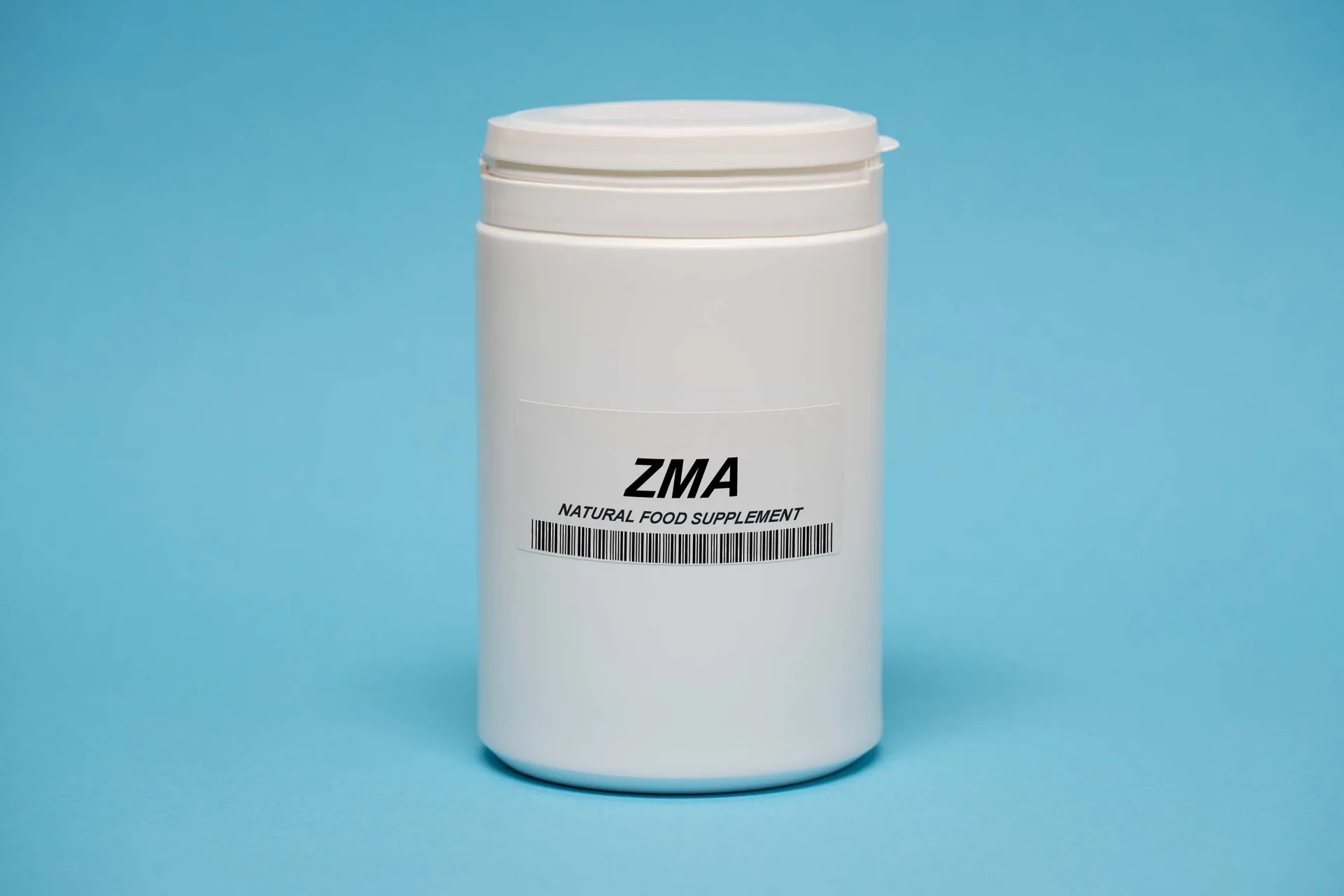
Pugachevsky’s story underscores the importance of informed decision-making when it comes to supplement use. Rather than relying solely on marketing claims, individuals should research the ingredients in pre-workout supplements and consider potential risks and benefits. Consulting with a healthcare professional or registered dietitian can provide valuable guidance in navigating the supplement landscape and making informed choices.
The Call for Greater Awareness

Pugachevsky’s experience has sparked a broader conversation about the role of supplements in fitness and wellness. Experts caution against relying solely on supplements to achieve fitness goals, emphasizing the importance of a balanced diet, regular exercise, and lifestyle factors. Rob Hobson, a UK registered sports dietitian, echoes this sentiment, emphasizing the need for education and awareness.
In conclusion, Pugachevsky’s journey serves as a sobering reminder of the potential risks associated with pre-workout supplements. While these products may offer short-term benefits, they should be approached with caution and used in conjunction with a holistic approach to fitness. By prioritizing overall health and well-being, individuals can make informed choices that support their long-term fitness goals.
Do you use pre-workout? What do you find the impact on your workout to be? Leave your thoughts in the comments below.
Fitness
What 10 Minutes of Walking Immediately After Meals Does to Your Blood Sugar?
Blunting that spike doesn’t require intense cardio or an hour at the gym. A simple 10-minute walk right after eating changes everything.

You finish lunch, clean up your plate, and sit right back down at your desk or collapse onto the couch. Within an hour, a wave of heaviness hits, leaving you sluggish and hunting for an afternoon snack.
This post-meal slump isn’t just about digestion—it’s driven by a sudden spike in your blood sugar. Luckily, blunting that spike doesn’t require intense cardio or an hour at the gym. A simple 10-minute walk right after eating changes everything.
“I used to get so sleepy after lunch that I could barely keep my eyes open during afternoon meetings. Taking a quick 10-minute stroll around the block sounded too simple to work, but my energy hasn’t crashed once since I started.” — Rachel Vance, 41, Accountant
1. Your Muscles Act Like “Glucose Sponges”
When you digest food, your body breaks carbohydrates down into glucose, which enters your bloodstream. Normally, your pancreas has to release a flood of insulin to move that sugar out of your blood and into your cells.
When you contract your leg muscles by walking, those muscles soak up glucose directly from your blood for instant fuel—without needing extra insulin. This mechanism keeps your blood sugar curve smooth and flat instead of sharp and elevated.
2. You Stop the “Spike-and-Crash” Cycle
Sitting still after a heavy meal allows glucose to pool in your bloodstream, creating a steep peak followed by a dramatic drop. That sudden crash is what triggers intense cravings, brain fog, and irritability around 3 PM.
Moving right away keeps your circulation active, spreading out energy delivery so you stay alert without the sudden drop.
“My doctor recommended a short post-meal walk to manage my sugar levels. It takes almost no effort, but my daily energy is noticeably more consistent.” — Arthur Pendelton, 62, Retired Administrator
3. How to Make the 10-Minute Habit Stick
-
Timing beats intensity: You don’t need to power-walk or break a sweat. A casual, easy-paced stroll works perfectly, as long as you start within 15–20 minutes of finishing your meal.
-
Keep it flexible: Bad weather? Pace around your living room, walk up and down a hallway, or tidy up the kitchen. Any light movement counts.
-
Anchor it to lunch: Make it a rule that your workday break ends with a brief 10-minute loop outside before you sit back down at your computer.
Fitness
When Was the Last Time You Gave Your Brain Something New to Solve?
We wake up, answer messages, work through familiar routines, and make many of the same decisions we’ve made before.

Fitness
Why So Many People Wake Up Tired — Even After a Full Night’s Sleep
Ever wake up after what should have been a good night’s sleep… only to feel like you could go right back to bed?


What 10 Minutes of Walking Immediately After Meals Does to Your Blood Sugar?

The 60-Second Reset #01: A 10-Second Fix for Screen-Strained Eyes

Hot vs Cold Therapy: Harnessing Thermal Stress for Metabolic and Mental Resilience

The Vagus Nerve & Nervous System Regulation: Taming the Unseen Stress Response

The 50+ Turning Point: Why Midlife is Ground Zero for Long-Term Vitality

What’s One Piece of Health Advice That Actually Worked for You?

Can Small Sleep Changes Improve Mental Sharpness? Here’s What Researchers Are Learning

The Optical Dilation Trick: How Expanding Your Vision Resets Desk Eye Strain and Anxiety
The Vagus Nerve & Nervous System Regulation: Taming the Unseen Stress Response
Hot vs Cold Therapy: Harnessing Thermal Stress for Metabolic and Mental Resilience
-

 Fitness3 months ago
Unexpected Health Habit: Not a Diet or Supplement – Just One Everyday Habit Worth Noticing
-
 Health4 months ago
What Your Hands Quietly Reveal About Your Digestion (And How To Use It)
-
 Fitness4 months ago
5 Health Myths Most Adults Still Believe And What Actually Matters Instead
-

 Health3 months ago
Have You Ever Wondered Why Homemade Meals Rarely Taste the Same?
-
 Fitness4 months ago
Experts Reveal: The 1-Minute Routine That Improves Digestion Instantly
-
 Health3 months ago
“Lazy Meal Prep”: The easier way people are actually sticking to healthy eating
-
 Health4 months ago
You Slept 8 Hours… So Why Do You Still Feel Exhausted?
-

 Health2 months ago
How Many Steps a Day Actually Matter for Longevity – 5K or 15K?