
Fitness
Extreme Athletes: Does This Impact Your Longevity

A groundbreaking study published in the British Journal of Sports Medicine challenges the long-held belief that extreme exercise may compromise longevity. Contrary to popular assumptions, the first 200 athletes to achieve the remarkable feat of running a mile in under four minutes not only defied the odds but surpassed the life expectancy of the general population by nearly five years on average.
Shattering Stereotypes: The Endurance Athlete’s Advantage

Led by senior researcher Mark Haykowsky from the University of Alberta, Canada, the study delves into the intriguing relationship between elite athletic performance and lifespan. The findings provide compelling evidence that maximal exertion and peak physical prowess do not necessarily exact a toll on longevity. Instead, endurance athletes emerge as exemplars of vitality and resilience, debunking the pervasive myth of a “U-shaped” association between exercise intensity and health outcomes.
The study marks a significant milestone in the annals of athletic achievement, commemorating the 70th anniversary of Roger Bannister’s historic milestone of breaking the four-minute mile barrier in May 1954. As the inaugural member of this elite cohort, Bannister’s legacy continues to inspire generations of athletes, underscoring the indomitable spirit of human endeavor and the relentless pursuit of excellence.
The Longevity Dividend: Insights from Athletes’ Lifespans

Drawing upon meticulous analysis, researchers scrutinized the lifespans of the pioneering athletes who shattered the four-minute mile milestone. Spanning a diverse array of nations and backgrounds, these athletes defied conventional wisdom, emerging as paragons of vitality and longevity. Notably, their collective lifespan surpassed the predicted life expectancy, offering a poignant testament to the enduring benefits of endurance exercise and physical fitness.
The study elucidates intriguing trends in the lifespan advantage enjoyed by under four-minute milers across different epochs. Athletes who achieved this remarkable feat in the 1950s boasted an impressive nine-year longevity advantage over the general populace, a testament to the transformative power of athleticism and resilience. While this advantage gradually diminished over subsequent decades, athletes in the 1960s and 1970s continued to outpace their counterparts in terms of longevity, underscoring the enduring legacy of athletic prowess.
Beyond Athleticism: Unraveling the Nexus of Genetics and Lifestyle

While the study underscores the pivotal role of endurance exercise in enhancing longevity, it also acknowledges the interplay of genetics and lifestyle factors. Notably, the prevalence of familial ties among the first 200 four-minute milers, including sets of brothers and father-son duos, hints at the intricate web of genetic predisposition and environmental influences shaping athletic achievement and lifespan.
In conclusion, the study represents a seminal contribution to understanding the intricate relationship between elite athletic performance and longevity. By dispelling misconceptions and highlighting the enduring benefits of endurance exercise, it heralds a new era of appreciation for the indomitable spirit of human potential and resilience in the face of adversity.
Do you practice “extreme sports?” Are you surprised at these findings related to extreme sports and longevity? Leave your thoughts in the comments below.
Fitness
What 10 Minutes of Walking Immediately After Meals Does to Your Blood Sugar?
Blunting that spike doesn’t require intense cardio or an hour at the gym. A simple 10-minute walk right after eating changes everything.
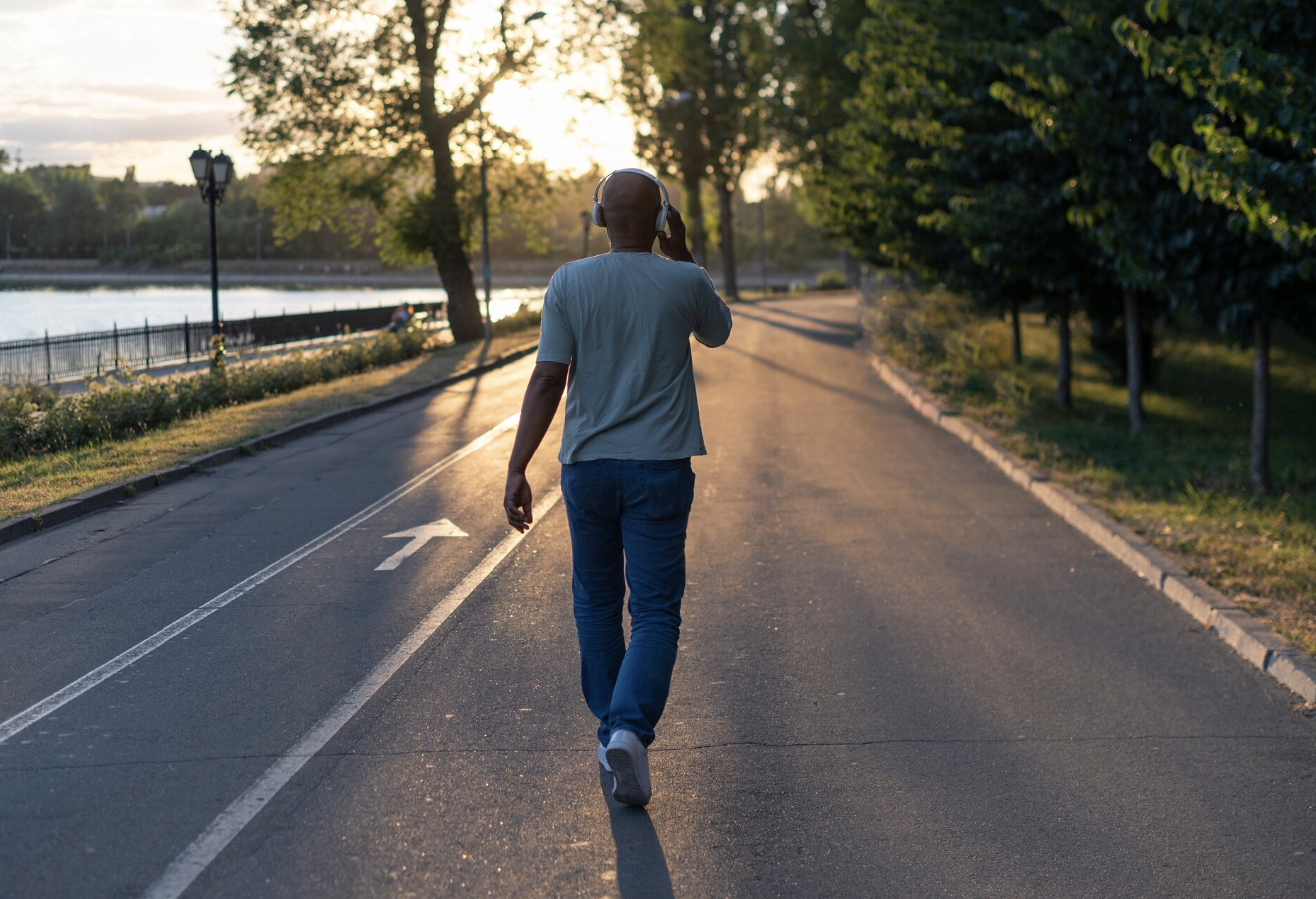
You finish lunch, clean up your plate, and sit right back down at your desk or collapse onto the couch. Within an hour, a wave of heaviness hits, leaving you sluggish and hunting for an afternoon snack.
This post-meal slump isn’t just about digestion—it’s driven by a sudden spike in your blood sugar. Luckily, blunting that spike doesn’t require intense cardio or an hour at the gym. A simple 10-minute walk right after eating changes everything.
“I used to get so sleepy after lunch that I could barely keep my eyes open during afternoon meetings. Taking a quick 10-minute stroll around the block sounded too simple to work, but my energy hasn’t crashed once since I started.” — Rachel Vance, 41, Accountant
1. Your Muscles Act Like “Glucose Sponges”
When you digest food, your body breaks carbohydrates down into glucose, which enters your bloodstream. Normally, your pancreas has to release a flood of insulin to move that sugar out of your blood and into your cells.
When you contract your leg muscles by walking, those muscles soak up glucose directly from your blood for instant fuel—without needing extra insulin. This mechanism keeps your blood sugar curve smooth and flat instead of sharp and elevated.
2. You Stop the “Spike-and-Crash” Cycle
Sitting still after a heavy meal allows glucose to pool in your bloodstream, creating a steep peak followed by a dramatic drop. That sudden crash is what triggers intense cravings, brain fog, and irritability around 3 PM.
Moving right away keeps your circulation active, spreading out energy delivery so you stay alert without the sudden drop.
“My doctor recommended a short post-meal walk to manage my sugar levels. It takes almost no effort, but my daily energy is noticeably more consistent.” — Arthur Pendelton, 62, Retired Administrator
3. How to Make the 10-Minute Habit Stick
-
Timing beats intensity: You don’t need to power-walk or break a sweat. A casual, easy-paced stroll works perfectly, as long as you start within 15–20 minutes of finishing your meal.
-
Keep it flexible: Bad weather? Pace around your living room, walk up and down a hallway, or tidy up the kitchen. Any light movement counts.
-
Anchor it to lunch: Make it a rule that your workday break ends with a brief 10-minute loop outside before you sit back down at your computer.
Fitness
When Was the Last Time You Gave Your Brain Something New to Solve?
We wake up, answer messages, work through familiar routines, and make many of the same decisions we’ve made before.

Fitness
Why So Many People Wake Up Tired — Even After a Full Night’s Sleep
Ever wake up after what should have been a good night’s sleep… only to feel like you could go right back to bed?


What 10 Minutes of Walking Immediately After Meals Does to Your Blood Sugar?

The 60-Second Reset #01: A 10-Second Fix for Screen-Strained Eyes

Hot vs Cold Therapy: Harnessing Thermal Stress for Metabolic and Mental Resilience

The Vagus Nerve & Nervous System Regulation: Taming the Unseen Stress Response

The 50+ Turning Point: Why Midlife is Ground Zero for Long-Term Vitality

What’s One Piece of Health Advice That Actually Worked for You?

Can Small Sleep Changes Improve Mental Sharpness? Here’s What Researchers Are Learning

The Optical Dilation Trick: How Expanding Your Vision Resets Desk Eye Strain and Anxiety
The Vagus Nerve & Nervous System Regulation: Taming the Unseen Stress Response
Hot vs Cold Therapy: Harnessing Thermal Stress for Metabolic and Mental Resilience
-

 Fitness3 months ago
Unexpected Health Habit: Not a Diet or Supplement – Just One Everyday Habit Worth Noticing
-
 Health4 months ago
What Your Hands Quietly Reveal About Your Digestion (And How To Use It)
-
 Fitness4 months ago
5 Health Myths Most Adults Still Believe And What Actually Matters Instead
-

 Health3 months ago
Have You Ever Wondered Why Homemade Meals Rarely Taste the Same?
-
 Fitness4 months ago
Experts Reveal: The 1-Minute Routine That Improves Digestion Instantly
-
 Health3 months ago
“Lazy Meal Prep”: The easier way people are actually sticking to healthy eating
-
 Health4 months ago
You Slept 8 Hours… So Why Do You Still Feel Exhausted?
-
 Health2 months ago
How Many Steps a Day Actually Matter for Longevity – 5K or 15K?