
Fitness
How Many Carbs Should You Eat to Lose Weight? Expert Dietitian Explains
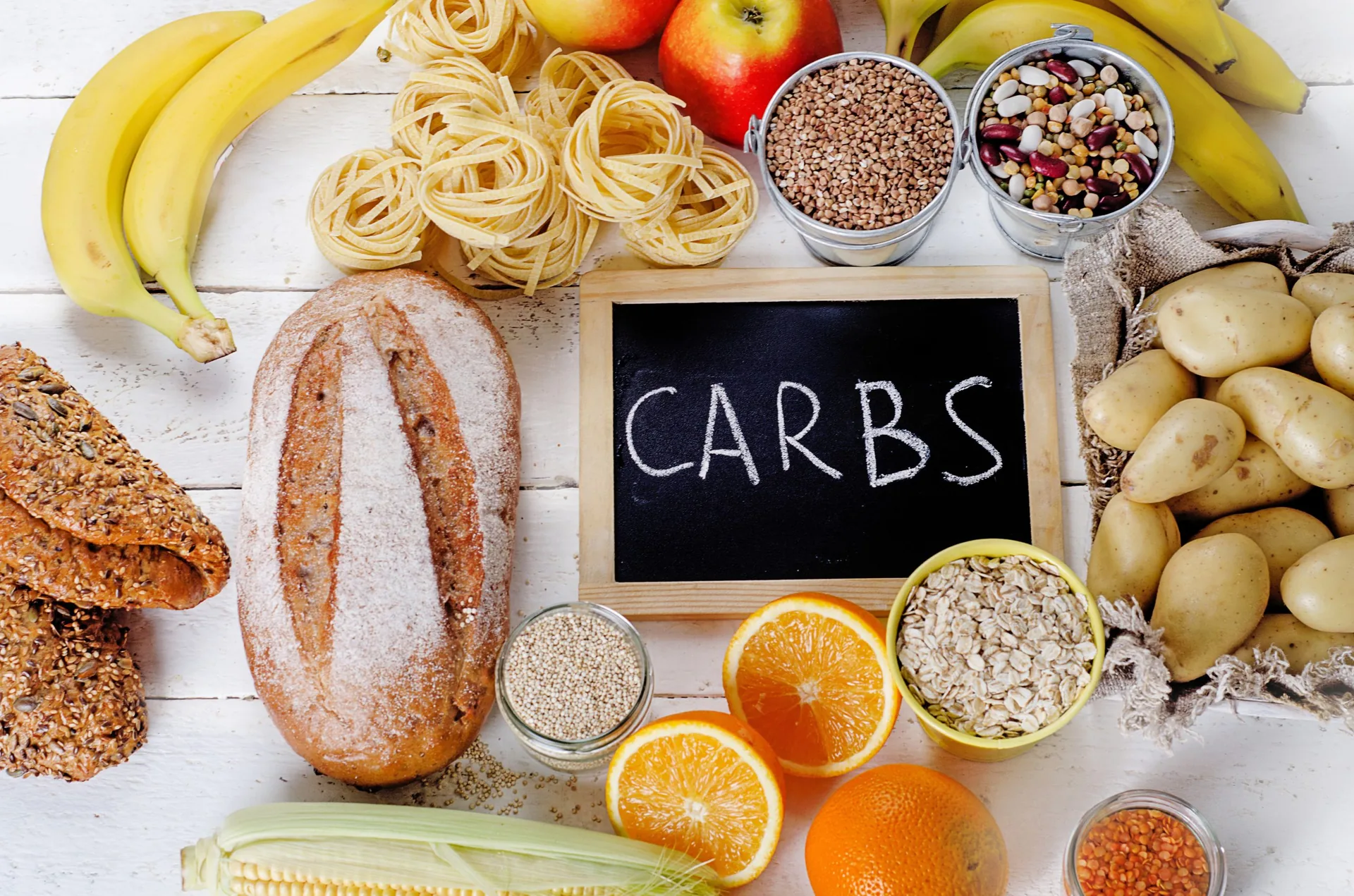
(3XHealth.com) – Cutting carbs is a common tactic for weight loss. Eliminating bread, pasta, and potatoes can be effective, but sustaining such a diet can be challenging.
This often leads to carb counting or watching your macros. So, how many carbs should you eat per day to lose weight? Unfortunately, there’s no one-size-fits-all answer.
The Role of Carbohydrates in Weight Loss
Carbohydrates are essential nutrients that your body needs in significant amounts. According to the Dietary Guidelines for Americans, carbs should provide 45% to 65% of your daily calories.
Protein and fat make up the rest. Carbs are crucial because they are broken down into glucose, the preferred energy source for your cells and organs. When you consume carbs, your body uses what it needs and stores the rest in your muscles and liver for later use.
When you don’t eat enough carbs and exhaust your stored glucose, your body turns to protein and fat for energy. This is the basic premise of low-carb diets, which force your body to burn fat for energy.
However, registered dietitian Destini Moody, RD, CSSD, LD, points out that low-carb diets generally work by restricting calorie intake, similar to other weight loss plans.
Factors Influencing Carb Intake
The number of carbs you must consume daily to lose weight depends on various factors, including age, activity level, current weight, and metabolic rate.
The Recommended Dietary Allowance (RDA) suggests that most people consume at least 130 grams of carbs daily to meet basic nutrient requirements. However, low-carb diets often recommend much lower amounts.
Your daily calorie needs also influence your carb intake. These needs range from 1,600 to 3,000 calories per day, depending on age and activity level. For example, someone training for a marathon will need more carbs than an average person to fuel their muscles.
Conversely, individuals with health conditions like insulin resistance or metabolic syndrome may need to monitor their carb intake more closely.
Understanding Different Types of Carbohydrates
Carbs are the primary nutrient in many foods, including vegetables, fruits, bread, cakes, and cookies. However, not all carbs are created equal. There are two main types: simple and complex.
- Simple Carbohydrates: Sugars like sucrose (table sugar) and fructose (fruit sugar). They provide a quick source of energy but lack other nutrients. Examples include candy and soft drinks.
- Complex Carbohydrates: These have a more complicated structure and take longer to digest, providing a steady energy release. Examples include whole-grain bread, sweet potatoes, and rolled oats. These foods also contain fiber, slowing digestion and keeping you full longer.
Determining Your Daily Carb Intake
To estimate your daily carb intake for weight loss, follow these steps:
- Determine your daily calorie needs for weight loss.
- Multiply your daily calorie needs by 45% and 65%.
- Divide the number by four to determine your daily carb needs in grams.
For example, if you need 1,800 calories daily to reach your goal weight, you should aim for about 200 to 300 grams of carbs daily. Adjust these percentages based on your personal preferences and needs.
Use food labels or macro tracking apps to monitor and count carbs. Consulting with a registered dietitian can provide a more individualized approach.
Low-Carb vs. Moderate-Carb vs. High-Carb Diets
Many weight loss programs use carbs as a tool to help people reach their goals. There are no strict guidelines for low, moderate, or high-carb diets, but here are general ranges:
- Very low-carb diet: 50 grams of carbs or less per day
- Low-carb diet: 150 grams of carbs or less per day
- Moderate-carb diet: 50-60% of calories from carbs
- High-carb diet: 70% or more calories from carbs
Popular low-carb diets include the ketogenic and Atkins diets, while moderate-carb plans include the Mediterranean and DASH diets. High-carb diets are typically not recommended for weight loss but can benefit athletes and active individuals.
The Importance of Balanced Nutrition
A well-rounded, nutrient-dense diet rich in complex carbs, lean proteins, and heart-healthy fats is the best approach for sustainable weight loss and overall health.
Focusing solely on carbs may limit your intake of nutrient-rich foods like fruits, vegetables, and whole grains.
Monitoring Progress and Adjusting Carb Intake
Self-monitoring is crucial for losing weight and keeping it off. Use a food-tracking app to monitor your carb intake and pay attention to your energy and hunger levels.
Adjust your diet if you feel too tired to work out or are constantly hungry. Remember, weight loss is a journey, and it’s essential to be patient and persistent.
If you hit a plateau, reassess your habits. Are you eating larger portions, skipping workouts, or not getting enough sleep? Get back into the habits that helped you reach your earlier goals. Adding more physical activity can also help you overcome weight-loss plateaus.
Weight loss is challenging, and no single method works for everyone. Consult with a healthcare provider before making significant changes to your diet, and consider working with a registered dietitian for a personalized plan.
How do you manage your carb intake for weight loss, and what has worked best for you? Share your experiences and tips in the comments below!
Copyright 2024. 3XHealth.com



Fitness
What 10 Minutes of Walking Immediately After Meals Does to Your Blood Sugar?
Blunting that spike doesn’t require intense cardio or an hour at the gym. A simple 10-minute walk right after eating changes everything.

You finish lunch, clean up your plate, and sit right back down at your desk or collapse onto the couch. Within an hour, a wave of heaviness hits, leaving you sluggish and hunting for an afternoon snack.
This post-meal slump isn’t just about digestion—it’s driven by a sudden spike in your blood sugar. Luckily, blunting that spike doesn’t require intense cardio or an hour at the gym. A simple 10-minute walk right after eating changes everything.
“I used to get so sleepy after lunch that I could barely keep my eyes open during afternoon meetings. Taking a quick 10-minute stroll around the block sounded too simple to work, but my energy hasn’t crashed once since I started.” — Rachel Vance, 41, Accountant
1. Your Muscles Act Like “Glucose Sponges”
When you digest food, your body breaks carbohydrates down into glucose, which enters your bloodstream. Normally, your pancreas has to release a flood of insulin to move that sugar out of your blood and into your cells.
When you contract your leg muscles by walking, those muscles soak up glucose directly from your blood for instant fuel—without needing extra insulin. This mechanism keeps your blood sugar curve smooth and flat instead of sharp and elevated.
2. You Stop the “Spike-and-Crash” Cycle
Sitting still after a heavy meal allows glucose to pool in your bloodstream, creating a steep peak followed by a dramatic drop. That sudden crash is what triggers intense cravings, brain fog, and irritability around 3 PM.
Moving right away keeps your circulation active, spreading out energy delivery so you stay alert without the sudden drop.
“My doctor recommended a short post-meal walk to manage my sugar levels. It takes almost no effort, but my daily energy is noticeably more consistent.” — Arthur Pendelton, 62, Retired Administrator
3. How to Make the 10-Minute Habit Stick
-
Timing beats intensity: You don’t need to power-walk or break a sweat. A casual, easy-paced stroll works perfectly, as long as you start within 15–20 minutes of finishing your meal.
-
Keep it flexible: Bad weather? Pace around your living room, walk up and down a hallway, or tidy up the kitchen. Any light movement counts.
-
Anchor it to lunch: Make it a rule that your workday break ends with a brief 10-minute loop outside before you sit back down at your computer.
Fitness
When Was the Last Time You Gave Your Brain Something New to Solve?
We wake up, answer messages, work through familiar routines, and make many of the same decisions we’ve made before.

Fitness
Why So Many People Wake Up Tired — Even After a Full Night’s Sleep
Ever wake up after what should have been a good night’s sleep… only to feel like you could go right back to bed?


What 10 Minutes of Walking Immediately After Meals Does to Your Blood Sugar?

The 60-Second Reset #01: A 10-Second Fix for Screen-Strained Eyes

Hot vs Cold Therapy: Harnessing Thermal Stress for Metabolic and Mental Resilience

The Vagus Nerve & Nervous System Regulation: Taming the Unseen Stress Response

The 50+ Turning Point: Why Midlife is Ground Zero for Long-Term Vitality

What’s One Piece of Health Advice That Actually Worked for You?

Can Small Sleep Changes Improve Mental Sharpness? Here’s What Researchers Are Learning

The Optical Dilation Trick: How Expanding Your Vision Resets Desk Eye Strain and Anxiety
The Vagus Nerve & Nervous System Regulation: Taming the Unseen Stress Response
Hot vs Cold Therapy: Harnessing Thermal Stress for Metabolic and Mental Resilience
-

 Fitness3 months ago
Unexpected Health Habit: Not a Diet or Supplement – Just One Everyday Habit Worth Noticing
-
 Health4 months ago
What Your Hands Quietly Reveal About Your Digestion (And How To Use It)
-
 Fitness4 months ago
5 Health Myths Most Adults Still Believe And What Actually Matters Instead
-

 Health3 months ago
Have You Ever Wondered Why Homemade Meals Rarely Taste the Same?
-
 Fitness4 months ago
Experts Reveal: The 1-Minute Routine That Improves Digestion Instantly
-
 Health3 months ago
“Lazy Meal Prep”: The easier way people are actually sticking to healthy eating
-
 Health4 months ago
You Slept 8 Hours… So Why Do You Still Feel Exhausted?
-

 Health2 months ago
How Many Steps a Day Actually Matter for Longevity – 5K or 15K?