
Fitness
The Science of Exercise: How Movement Heals the Body and Mind
Exercise offers profound benefits for both the body and mind. Physically, it strengthens muscles, improves bone health.
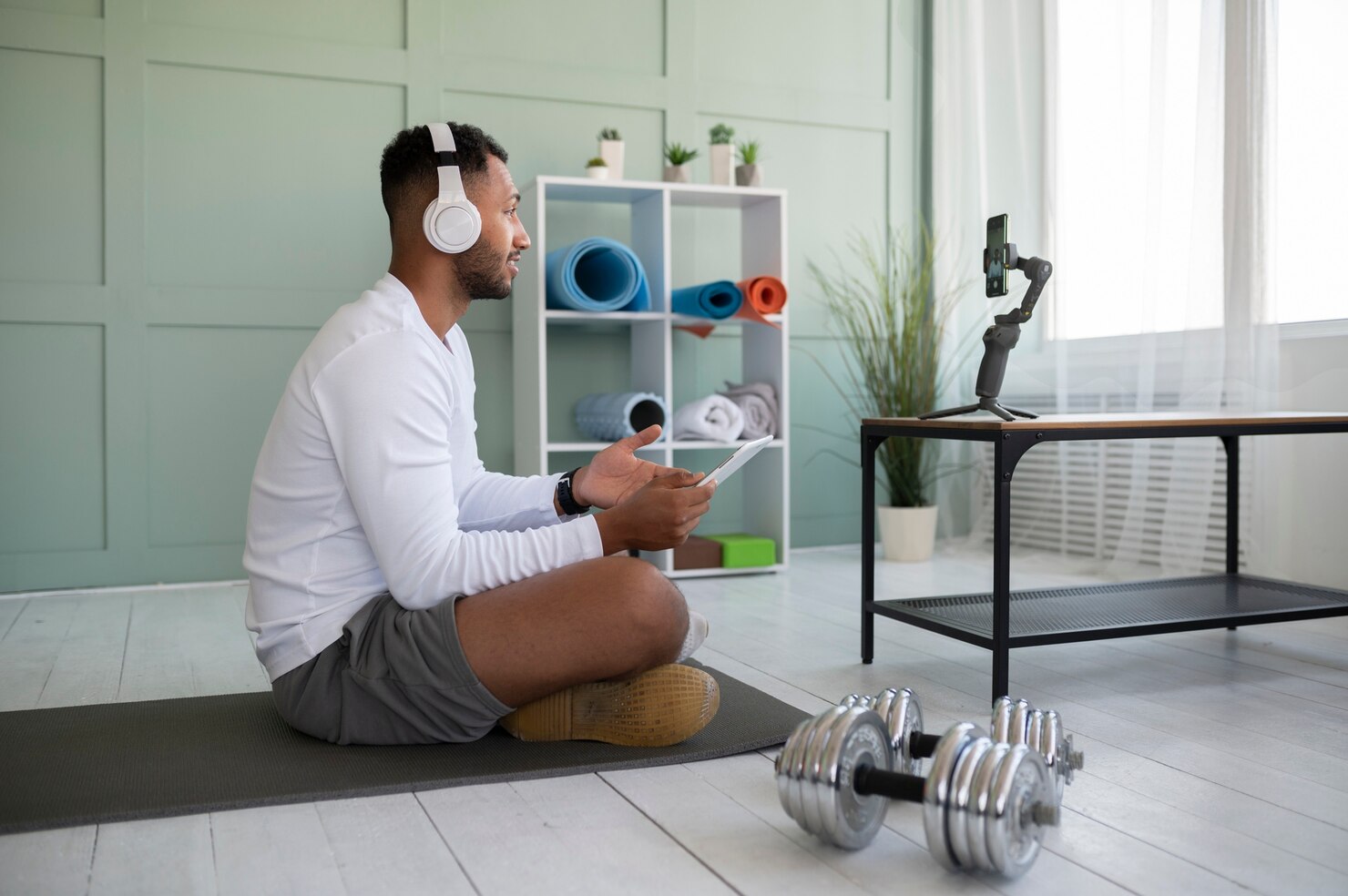
Exercise is often touted as a key to a longer, healthier life, and for good reason. Physical activity is not just about burning calories; it’s a powerful medicine that can profoundly impact our physical and mental well-being.
The Body: A Marvel of Adaptability

When we exercise, we put stress on our bodies. This stress, however, triggers a remarkable series of adaptations:
Muscular Strength and Endurance: Regular physical activity leads to increased muscle mass and strength. This improves our ability to perform daily activities, prevents age-related muscle loss (sarcopenia), and enhances overall functional capacity.
Bone Health: Weight-bearing exercises, such as walking, running, and weightlifting, stimulate bone growth and density, reducing the risk of osteoporosis.
Cardiovascular Health: Exercise strengthens the heart muscle, improves blood flow, lowers blood pressure, and increases “good” cholesterol (HDL). This translates to a reduced risk of heart disease, stroke, and other cardiovascular conditions.
Weight Management: Physical activity burns calories, helping to maintain a healthy weight and reduce the risk of obesity-related health problems.
Immune Function: Regular exercise can boost the immune system, making us better equipped to fight off infections.
The Mind: A Sanctuary of Calm

The benefits of exercise extend far beyond the physical realm.
Stress Reduction: Physical activity releases endorphins, natural mood boosters that have stress-reducing and pain-relieving effects.
Improved Mood: Exercise can combat symptoms of depression and anxiety. It increases levels of serotonin, dopamine, and norepinephrine, neurotransmitters that play a crucial role in mood regulation.
Enhanced Cognitive Function: Regular physical activity can improve cognitive function, including memory, attention, and focus.
Better Sleep: Exercise can improve sleep quality, helping you fall asleep faster and sleep more soundly.
Finding the Right Fit
The key to reaping the full benefits of exercise is finding activities you enjoy and can consistently incorporate into your routine.
Variety is Key: Include a mix of cardio, strength training, and flexibility exercises in your weekly routine.
Start Slow and Gradually Increase: Begin with short durations and gradually increase the intensity and duration of your workouts.
Listen to Your Body: Rest when needed and avoid pushing yourself too hard, especially when starting.
Make it Social: Join a fitness class, exercise with a friend, or participate in team sports to make exercise more enjoyable.

Conclusion
Exercise is a powerful tool for improving physical health, enhancing mental well-being, and increasing overall quality of life. By incorporating regular physical activity into our daily lives, we can unlock our bodies’ incredible potential and live healthier, happier lives.
Disclaimer: This information is for general knowledge and informational purposes only and does not constitute medical advice. Consult with a healthcare professional before starting any new exercise program.
Fitness
What 10 Minutes of Walking Immediately After Meals Does to Your Blood Sugar?
Blunting that spike doesn’t require intense cardio or an hour at the gym. A simple 10-minute walk right after eating changes everything.

You finish lunch, clean up your plate, and sit right back down at your desk or collapse onto the couch. Within an hour, a wave of heaviness hits, leaving you sluggish and hunting for an afternoon snack.
This post-meal slump isn’t just about digestion—it’s driven by a sudden spike in your blood sugar. Luckily, blunting that spike doesn’t require intense cardio or an hour at the gym. A simple 10-minute walk right after eating changes everything.
“I used to get so sleepy after lunch that I could barely keep my eyes open during afternoon meetings. Taking a quick 10-minute stroll around the block sounded too simple to work, but my energy hasn’t crashed once since I started.” — Rachel Vance, 41, Accountant
1. Your Muscles Act Like “Glucose Sponges”
When you digest food, your body breaks carbohydrates down into glucose, which enters your bloodstream. Normally, your pancreas has to release a flood of insulin to move that sugar out of your blood and into your cells.
When you contract your leg muscles by walking, those muscles soak up glucose directly from your blood for instant fuel—without needing extra insulin. This mechanism keeps your blood sugar curve smooth and flat instead of sharp and elevated.
2. You Stop the “Spike-and-Crash” Cycle
Sitting still after a heavy meal allows glucose to pool in your bloodstream, creating a steep peak followed by a dramatic drop. That sudden crash is what triggers intense cravings, brain fog, and irritability around 3 PM.
Moving right away keeps your circulation active, spreading out energy delivery so you stay alert without the sudden drop.
“My doctor recommended a short post-meal walk to manage my sugar levels. It takes almost no effort, but my daily energy is noticeably more consistent.” — Arthur Pendelton, 62, Retired Administrator
3. How to Make the 10-Minute Habit Stick
-
Timing beats intensity: You don’t need to power-walk or break a sweat. A casual, easy-paced stroll works perfectly, as long as you start within 15–20 minutes of finishing your meal.
-
Keep it flexible: Bad weather? Pace around your living room, walk up and down a hallway, or tidy up the kitchen. Any light movement counts.
-
Anchor it to lunch: Make it a rule that your workday break ends with a brief 10-minute loop outside before you sit back down at your computer.
Fitness
When Was the Last Time You Gave Your Brain Something New to Solve?
We wake up, answer messages, work through familiar routines, and make many of the same decisions we’ve made before.

Fitness
Why So Many People Wake Up Tired — Even After a Full Night’s Sleep
Ever wake up after what should have been a good night’s sleep… only to feel like you could go right back to bed?


What 10 Minutes of Walking Immediately After Meals Does to Your Blood Sugar?

The 60-Second Reset #01: A 10-Second Fix for Screen-Strained Eyes

Hot vs Cold Therapy: Harnessing Thermal Stress for Metabolic and Mental Resilience

The Vagus Nerve & Nervous System Regulation: Taming the Unseen Stress Response

The 50+ Turning Point: Why Midlife is Ground Zero for Long-Term Vitality

What’s One Piece of Health Advice That Actually Worked for You?

Can Small Sleep Changes Improve Mental Sharpness? Here’s What Researchers Are Learning

The Optical Dilation Trick: How Expanding Your Vision Resets Desk Eye Strain and Anxiety
The Vagus Nerve & Nervous System Regulation: Taming the Unseen Stress Response
Hot vs Cold Therapy: Harnessing Thermal Stress for Metabolic and Mental Resilience
-

 Fitness3 months ago
Unexpected Health Habit: Not a Diet or Supplement – Just One Everyday Habit Worth Noticing
-
 Health4 months ago
What Your Hands Quietly Reveal About Your Digestion (And How To Use It)
-
 Fitness4 months ago
5 Health Myths Most Adults Still Believe And What Actually Matters Instead
-

 Health3 months ago
Have You Ever Wondered Why Homemade Meals Rarely Taste the Same?
-
 Fitness4 months ago
Experts Reveal: The 1-Minute Routine That Improves Digestion Instantly
-
 Health3 months ago
“Lazy Meal Prep”: The easier way people are actually sticking to healthy eating
-
 Health4 months ago
You Slept 8 Hours… So Why Do You Still Feel Exhausted?
-

 Health2 months ago
How Many Steps a Day Actually Matter for Longevity – 5K or 15K?