
Fitness
When To HIIT And When To Quit: Elevated Cortisol Could Be Gouging Your Gains

Raise your hand if you’ve experienced the stress-relieving effects of exercise.
Nice perk, right?
Now, raise your hand if you tend to feel more and more drained after your intense sweat sessions as the week drags on.
Wait, what?
That’s right, the laundry list of benefits to be gained from consistent exercise, here HIIT workouts, aren’t always experienced by everyone.
Contrary to what some preach, teach, and tell you, health and fitness should not be approached with a one size fits all mindset.
Why? Because every body is different. And, everybody is different. Yes, that grammar is correct.
Everybody’s life and circumstances are different, and every person’s body is different.
Here, we’ll explore the potential pitfalls of high intensity interval training that some individuals may experience depending on their body and their life circumstances (stress levels, sleep patterns, etc).
And, we’ll look at ways that you can alter your HIIT routines to bypass those pitfalls and achieve your goals!
What Is HIIT?

HIIT or high intensity interval training is a type of training where short bursts of intense exercise are performed (generally 30-60 seconds worth) followed by periods of rest or active recovery for the same amount of time.
These periods of intense exercise followed by a rest or active recovery period are alternated for generally 3-10 times to create an intense workout performed in a shorter timeframe than a typical sweat session.
HIIT is considered highly effective as most participants receive the benefits of exercise while spending less time working out.
Other benefits of HIIT include:
- Somewhat restated, but with HIIT you can receive a high calorie burn in a shorter amount of time.
- Most people report better and faster improvements in performance and strength with HIIT compared to traditional methods of exercise.
- High intensity interval training can boost metabolism even after exercise which aids in body composition improvements.
- Insulin sensitivity and fasting blood glucose levels have been shown to improve in individuals that incorporate HIIT workouts into their exercise routine.
- Blood pressure, cholesterol levels, and overall cardiovascular health can improve through HIIT.
- Many people who do HIIT report losing abdominal fat while maintaining muscle mass (abdominal fat is linked to chronic inflammation and numerous diseases).
However, despite the many benefits that can be gained through this style of exercise, some individuals aren’t seeing returns on their investments in intensity.
Even worse, some may even experience negative results over time such as brain fog, poor sleep, weight gain, an increase in anxiety, and more.
These negative effects are thought to stem from hormonal disruptions that may occur in those who regularly choose HIIT as their go-to method of exercise.
And, for those who may already struggle with hormonal imbalances, high intensity interval training may greatly exacerbate those issues.
So then, what causes these negative effects in some individuals, and how can they be avoided?
HIIT And Cortisol

Though exercise is often noted for its ability to prompt the release of endorphins, dubbed the happy hormones, and provide a relief from the stress that can bombard our lives and our bodies, intense exercise can actually add stress to the body.
Exercise is a positive type of stress that we put on our bodies. This type of stress is known as eustress.
Throughout normal exercise we essentially stress out our cells through oxygen reduction and an increased muscle workload. Then, as we rest and recover, our body repairs itself, in turn becoming stronger and even more adapted to such stress.
However, in the case of HIIT, these workouts are concentrated, putting greater amounts of stress on the body in a given setting.
So, when those who regularly incorporate HIIT workouts begin to see disruptions in their hormones, these individuals are showing signs of chronic stress.
Essentially too much HIIT can turn that potentially positive eustress into a negative type of stress.
What happens in these cases? Just as exercise prompts the release of endorphins to boost mood and increase happy feelings, intense exercise that is performed too frequently can prompt the release of stress hormones known as cortisol.
Cortisol release is the body’s normal response to stress.
This hormone helps the body by regulating blood pressure and increasing blood sugar levels in times of stress so you can handle perceived threats.
It also slows digestion and immune function upon release, because let’s face it, if you’re reacting to a real threat, you need your brain and your muscles not your stomach, right?
But, when its production is prompted too frequently, these spikes in glucose within the bloodstream, this hindrance to digestion, and even the disturbance in immune functioning can all cause unwanted effects.
So, without proper time to rest and recover, your body experiences too much stress, too often.
Couple that with any life stressors you may be dealing with or even pre-existing hormonal disruptions, and HIIT can be disastrous!
Because of the high yield factor when it comes to HIIT benefits, many people are doing these workouts daily, and sometimes that’s just too much stress to put on your body without enough recovery time in between.
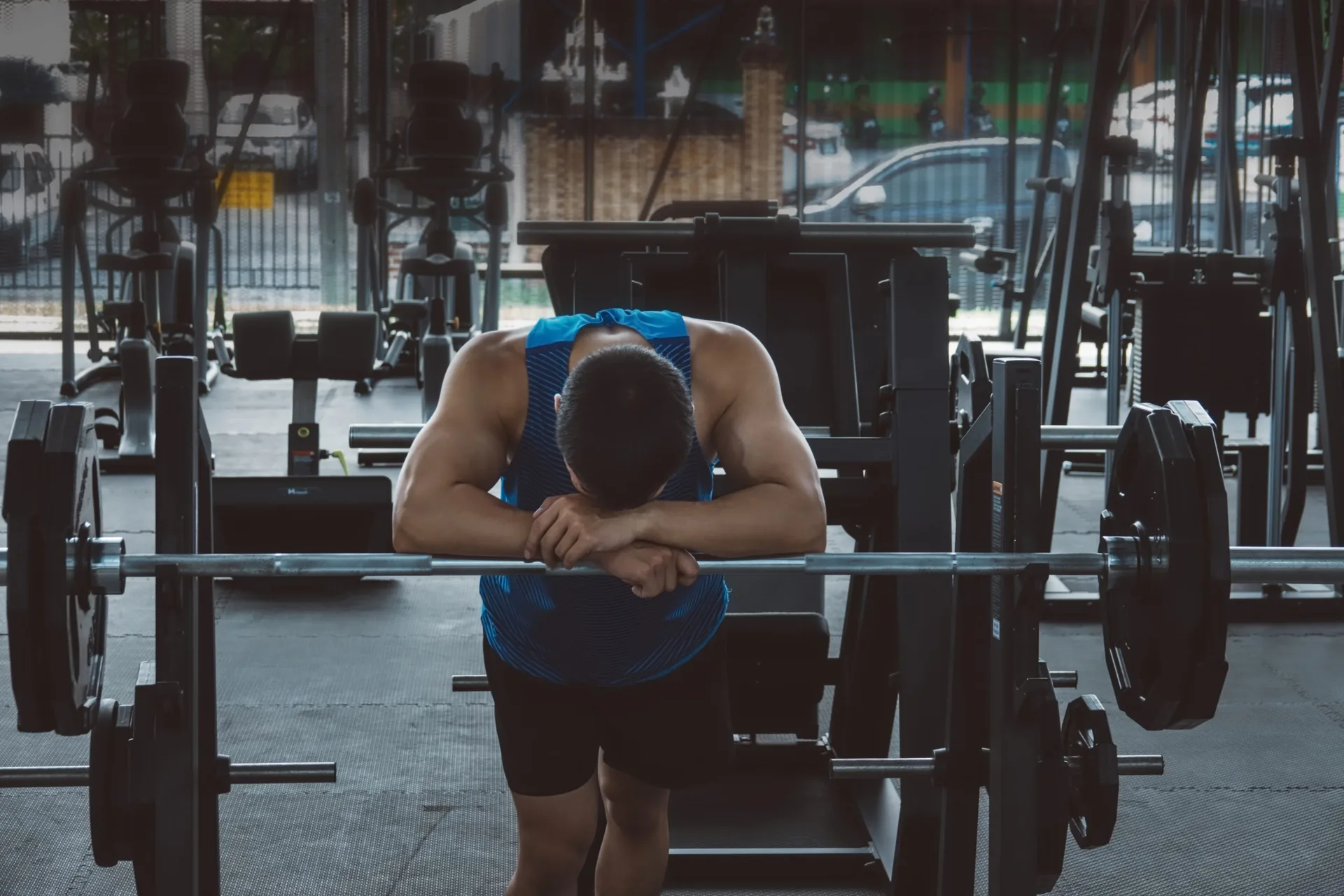
Signs that your body may be experiencing too much stress, resulting in elevated cortisol levels that destroy your HIIT efforts are:
- Fatigue
- Weight gain
- Issues with digestion
- Burnout
- Increased appetite
- Mood changes
- Vulnerability to illness
- Inability to lose weight or keep weight off
- Increased inflammation throughout the body
- Hormonal disruptions resulting in:
- brain fog
- poor sleep
- irregular periods
- increased urination
- increased anxiety
- skin changes
- increase in visceral fat
Should You Quit HIIT?
So, that’s it then. I guess you’ve just gotta quit HIIT.
Not necessarily!
Truly, moderation and a little attention to detail may be just what the doctor ordered.
Now, if you’re in the midst of a particularly stressful life circumstance, you may find that doubling down on that stress with a series of HIIT workouts won’t serve your body well.
Otherwise, aside from pre-existing hormonal disruptions that can be exacerbated by incredibly intense exercise (that the body sees as another negative stress), you can control the level of stress you’re putting on your body by adapting your workouts or your workout schedule.
How can you do this?
1- Don’t neglect rest and recovery.
If you love to workout, rest days can seem grueling.
This can sound a bit odd to some people, but there are many who thoroughly enjoy a good sweat session (for the benefits mentally, physically, and even emotionally).
But, the reason the benefits of high intensity interval training are amplified compared to regular exercise methods is due to the structure of these workouts: intense exercise followed by periods of recovery.
To obtain these purported benefits, you have to look past the individual workouts and apply the premise of this pattern to your workout schedule as well, incorporating days of rest in between days where you do HIIT workouts.
When you lack an ample period of recovery between particularly intense workout sessions (such as HIIT), your body remains in a high-stress state, leading to elevated cortisol levels, hormone disruptions, and adrenal burnout.
So, what does proper rest and recovery look like?
Quality rest and recovery, that doesn’t sabotage your efforts, is filled with:
Sleep– No we’re not suggesting you sleep all day. But, everyday, and especially on rest days, be sure to get good, restful sleep.
Nutrition– Don’t sabotage your HIIT efforts by ditching your healthy diet on rest days. Seek to help your body properly recover by fueling it with good nutrition.
Hydration– Intense exercise sessions can use up a lot of water in your body. Drink water, and drink it often. Be sure to use rest days to hydrate!
Massage– Work out stressed and sore muscles through massage or foam rolling which will help to repair damaged tissue, aiding in your body’s recovery process.
Breathing– Utilize rest or recovery days to practice deep breathing or spend some time meditating. Both of these practices are proven stress relievers. Incorporating these practices into your rest days can work to lower overall stress levels and help your body recover from your intense (stressful) workout sessions.
Activity– As in the case of a HIIT workout, sometimes rest includes activity. Use rest days to take a break from intense exercise and instead, go for a leisurely walk to enjoy nature, or seek to do some stretching exercises that are not intense but will help your body recover from previous workouts.
2- Overhaul your workout schedule.
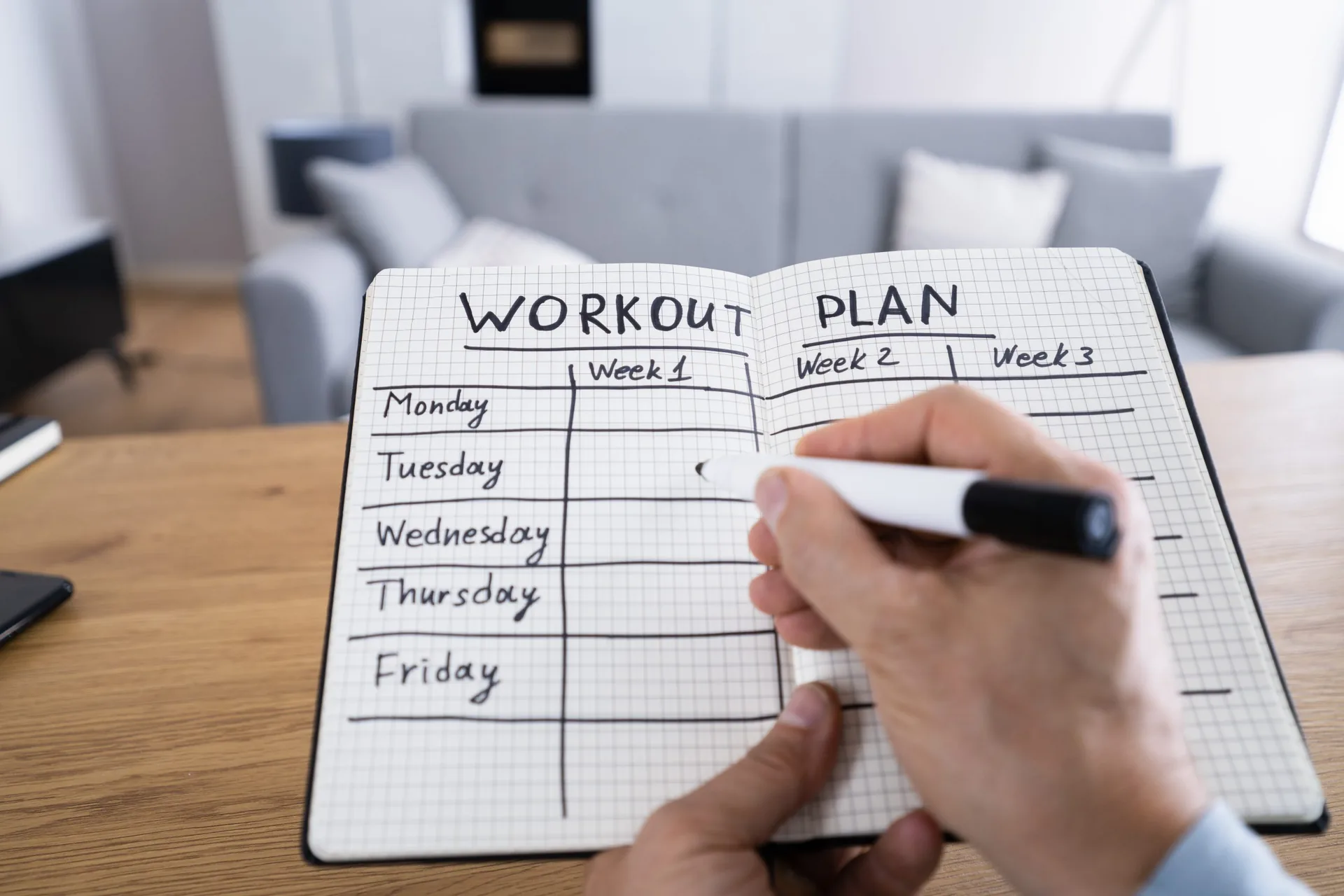
While incorporating rest days can change your schedule up a bit already if you currently do HIIT exercises daily, you may need to overhaul your schedule in other ways.
Here’s what most recommend when it comes to exercise:
For cardiovascular health, the American College of Sports Medicine recommends 75 minutes of vigorous exercise (this would include HIIT) per week for optimal cardiovascular health. And, this generally translates to 2 HIIT sessions per week.
The same source recommends 150 minutes of moderate-intensity exercise per week.
The above recommendations would allow for most days of the week to be spent doing moderately intense exercise, with only a few days of high intensity exercise, such as HIIT.
So, while quitting HIIT may not be the answer, if you are experiencing any of the symptoms of elevated cortisol due to excess HIIT, backing off those intense workouts for a few weeks may be what’s needed in order to allow your body to fully recover.
Then, seek to alter your workout routine, incorporating an appropriate amount of moderately intense exercise, HIIT, as well as needed rest days!
Fitness
What 10 Minutes of Walking Immediately After Meals Does to Your Blood Sugar?
Blunting that spike doesn’t require intense cardio or an hour at the gym. A simple 10-minute walk right after eating changes everything.

You finish lunch, clean up your plate, and sit right back down at your desk or collapse onto the couch. Within an hour, a wave of heaviness hits, leaving you sluggish and hunting for an afternoon snack.
This post-meal slump isn’t just about digestion—it’s driven by a sudden spike in your blood sugar. Luckily, blunting that spike doesn’t require intense cardio or an hour at the gym. A simple 10-minute walk right after eating changes everything.
“I used to get so sleepy after lunch that I could barely keep my eyes open during afternoon meetings. Taking a quick 10-minute stroll around the block sounded too simple to work, but my energy hasn’t crashed once since I started.” — Rachel Vance, 41, Accountant
1. Your Muscles Act Like “Glucose Sponges”
When you digest food, your body breaks carbohydrates down into glucose, which enters your bloodstream. Normally, your pancreas has to release a flood of insulin to move that sugar out of your blood and into your cells.
When you contract your leg muscles by walking, those muscles soak up glucose directly from your blood for instant fuel—without needing extra insulin. This mechanism keeps your blood sugar curve smooth and flat instead of sharp and elevated.
2. You Stop the “Spike-and-Crash” Cycle
Sitting still after a heavy meal allows glucose to pool in your bloodstream, creating a steep peak followed by a dramatic drop. That sudden crash is what triggers intense cravings, brain fog, and irritability around 3 PM.
Moving right away keeps your circulation active, spreading out energy delivery so you stay alert without the sudden drop.
“My doctor recommended a short post-meal walk to manage my sugar levels. It takes almost no effort, but my daily energy is noticeably more consistent.” — Arthur Pendelton, 62, Retired Administrator
3. How to Make the 10-Minute Habit Stick
-
Timing beats intensity: You don’t need to power-walk or break a sweat. A casual, easy-paced stroll works perfectly, as long as you start within 15–20 minutes of finishing your meal.
-
Keep it flexible: Bad weather? Pace around your living room, walk up and down a hallway, or tidy up the kitchen. Any light movement counts.
-
Anchor it to lunch: Make it a rule that your workday break ends with a brief 10-minute loop outside before you sit back down at your computer.
Fitness
When Was the Last Time You Gave Your Brain Something New to Solve?
We wake up, answer messages, work through familiar routines, and make many of the same decisions we’ve made before.

Fitness
Why So Many People Wake Up Tired — Even After a Full Night’s Sleep
Ever wake up after what should have been a good night’s sleep… only to feel like you could go right back to bed?


What 10 Minutes of Walking Immediately After Meals Does to Your Blood Sugar?

The 60-Second Reset #01: A 10-Second Fix for Screen-Strained Eyes

Hot vs Cold Therapy: Harnessing Thermal Stress for Metabolic and Mental Resilience

The Vagus Nerve & Nervous System Regulation: Taming the Unseen Stress Response

The 50+ Turning Point: Why Midlife is Ground Zero for Long-Term Vitality

What’s One Piece of Health Advice That Actually Worked for You?

Can Small Sleep Changes Improve Mental Sharpness? Here’s What Researchers Are Learning

The Optical Dilation Trick: How Expanding Your Vision Resets Desk Eye Strain and Anxiety
The Vagus Nerve & Nervous System Regulation: Taming the Unseen Stress Response
Hot vs Cold Therapy: Harnessing Thermal Stress for Metabolic and Mental Resilience
-

 Fitness3 months ago
Unexpected Health Habit: Not a Diet or Supplement – Just One Everyday Habit Worth Noticing
-
 Health4 months ago
What Your Hands Quietly Reveal About Your Digestion (And How To Use It)
-
 Fitness4 months ago
5 Health Myths Most Adults Still Believe And What Actually Matters Instead
-

 Health3 months ago
Have You Ever Wondered Why Homemade Meals Rarely Taste the Same?
-
 Fitness4 months ago
Experts Reveal: The 1-Minute Routine That Improves Digestion Instantly
-
 Health3 months ago
“Lazy Meal Prep”: The easier way people are actually sticking to healthy eating
-
 Health4 months ago
You Slept 8 Hours… So Why Do You Still Feel Exhausted?
-
 Health2 months ago
How Many Steps a Day Actually Matter for Longevity – 5K or 15K?