
Fitness
Latest Research On The “Runner’s High” Yields Astonishing Results

How many times have your sweat sessions worked to not only burn calories but improve your mood as well?
Though often spoken of in reference to runners, truly if you workout at all, especially if you do so consistently, you’ve likely experienced the euphoric, mood-lifting effects of exercise.
And, chances are you’ve heard this phenomenon attributed to the release of a particular group of peptide hormones known as endorphins.
I mean, even if you didn’t learn about exercise and endorphins from science class in high school, Hollywood has attempted to educate the masses on the matter as well.
After all, what early 2000’s Reese Witherspoon fan isn’t familiar with her most famous Legally Blonde quote: “Exercise gives you endorphins. Endorphins make you happy.”
Well, as much as this notion of an exercise induced high caused by the release of endorphins has been ingrained in many minds, recent research is telling a different story.
That’s right, according to new research, this commonly held view seems to have been debunked, meaning something other than endorphins is at the root of the “runner’s high.”.
What Is A “Runner’s High”

We briefly alluded to the overall notion of what is meant by the common phrase “runner’s high” above, but let’s delve into this term a bit deeper.
The second word of that phrase likely gives away its meaning in the simplest of terms, but to elaborate, a “runner’s high” is a feeling of euphoria, happiness, relaxation, or calm experienced after a run.
But, while mostly used in reference to running, a “runner’s high” can be experienced after any high intensity exercise.
And, if you’re reading this and feel like you’ve been missing out, despite your best high intensity efforts in your workout sessions, don’t worry, not everyone has or will experience this phenomenon post workout.
For many years, the most noted cause of these happy or euphoric feelings was linked to endorphins.
This is due to the fact that vigorous exercise is known to prompt the release of such chemicals or hormones.
The thing is, technically the release of endorphins happens in response to stress or pain.
Ever experience pain in a high intensity workout? No pain, no gain, right?
Well, this release of endorphins may be the reason that runner’s can push past pain and endure for one more mile, then another, then another, but new research has indicated that this same release of endorphins may not be the cause of the euphoric, anxiety-relieving feelings felt post-run (or workout).
But, since we also know that endorphins are released throughout intense exercise, what is it that has led researchers to believe that something else is the true connection to the “runner’s high?”
Endorphins Or Endocannabinoids

Though research on the subject of the cause of the “runner’s high” isn’t new, the reviewing of these studies’ findings are becoming more conclusive, and so a new message is finally reaching the masses: endorphins aren’t the cause of post-run euphoria.
The fact is, studies conducted over the course of the last few decades have consistently shown that endocannabinoid levels increase with vigorous exercise, leading scientists to believe that this is the actual cause of these post-workout feelings.
Typically, endocannabinoids are responsible for keeping balance between the brain and the body.
The endocannabinoid system is responsible for regulating sleep, memory, appetite, fertility, and mood.
But, research in both mice and humans has shown that the receptors in the endocannabinoid system are crucial when it comes to receiving the healthy benefits of exercise.
Such studies have also shown that endorphins, the once thought hero of post-workout good vibes, are actually too large to pass what is known as the blood brain barrier.
What does that mean? Not being able to pass the blood brain barrier makes it highly unlikely, even impossible for endorphins to alter mood (in this way) through exercise.
So then, how do endocannabinoids cause that “high?” (And, don’t worry, we’re not likening a great run or workout to firing up a joint!)
The human body actually makes its own version of cannabis, tiny molecules made of fats (lipids) that move throughout the brain and the body.
After intense exercise the body naturally produces these biochemical substances, also known as endocannabinoids.
When you exercise, especially at a high intensity, the amount of endocannabinoids in your bloodstream increases, and they easily move from your bloodstream to your brain.
Once in the brain, endocannabinoids can have a psychoactive effect, allowing you to experience calmness, reductions in anxiety, and an overall improvement in mood.
So, let’s take a look at some of the findings that have led researchers to this endocannabinoids trump endorphins conclusion:
In a double blind, randomized, placebo-controlled human study, 63 healthy participants ran at a moderate intensity for 45 minutes on a treadmill (in a lab).
During a later session, these same participants walked (casual pace) for 45 minutes on a treadmill in an exercise lab.
The findings?
Researchers found that “the participants exhibited increased euphoria and decreased anxiety after 45 minutes of running on a treadmill in a moderate-intensity range compared to walking.”
And, this euphoria experienced when running coincided with higher blood plasma levels of two types of endocannabinoids.
To rule out the role of endorphins in the outcome (here the increase in euphoria and decrease in anxiety as predicted), participants were randomly given opioid blockers.
The participants who were given these opioid receptor blockers still experienced the exercise-induced euphoria (and decreased anxiety), proving what many scientists have already hypothesized – endocannabinoids, not endorphins, are what causes the “runner’s high.”
From this research, scientists have also realized that keeping one’s heart rate elevated is crucial in raising endocannabinoid levels. Specifically, reaching between 70-80% of the maximum heart rate listed for your age, continued for roughly 30 minutes, is needed to potentially achieve a “runner’s high.”
Just remember, euphoric feelings and decreased anxiety aren’t the primary goal of exercise.
And, some do not experience these results no matter their exercise intensity or duration, lending to the notion that there is still much research to be done regarding the role of endocannabinoids and endorphins in running and all other forms of intense exercise.
What we do know regarding consistent (even vigorous) exercise and the brain:
Parts of the brain associated with memory and learning increase in volume with consistent exercise.
Exercise elevates mood.
Exercise slows age-related cognitive decline.
The brain’s response to physical and emotional stress is dulled with exercise.
Boost Immunity, Improve Mood & Soothe Anxiety with Full Spectrum CBD Oil

In these uncertain and scary times, it has never been more important to have a healthy immune system.
CBD can help in two ways:
It can boost the immune system response by drastically reducing inflammation in the body.
It can soothe anxiety, which can reduce the immune response and makes life miserable for its sufferers.
Now you can enjoy a calm mood and a robust immune system with Prosper CBD 1000mg Full-Spectrum CBD Oil. It has 9 different cannabinoids that work together for maximum benefit.
Users report feeling a sense of peace set in almost immediately after taking it.
Get special pricing during a limited time right here.
WARNING: Customers are hoarding CBD as supply chains continue to break down. Don’t wait, inventory is depleting quickly.
Fitness
What 10 Minutes of Walking Immediately After Meals Does to Your Blood Sugar?
Blunting that spike doesn’t require intense cardio or an hour at the gym. A simple 10-minute walk right after eating changes everything.
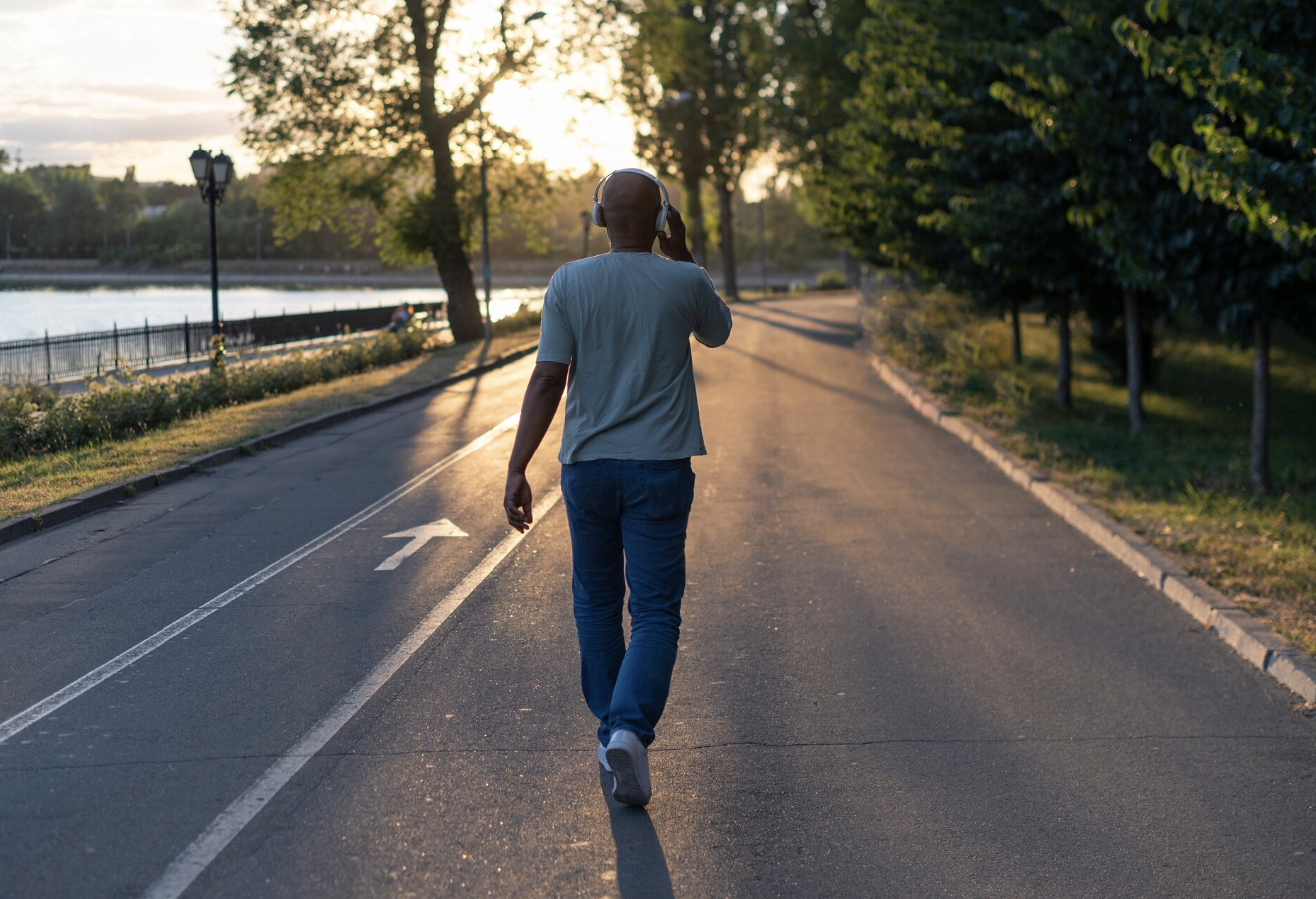
You finish lunch, clean up your plate, and sit right back down at your desk or collapse onto the couch. Within an hour, a wave of heaviness hits, leaving you sluggish and hunting for an afternoon snack.
This post-meal slump isn’t just about digestion—it’s driven by a sudden spike in your blood sugar. Luckily, blunting that spike doesn’t require intense cardio or an hour at the gym. A simple 10-minute walk right after eating changes everything.
“I used to get so sleepy after lunch that I could barely keep my eyes open during afternoon meetings. Taking a quick 10-minute stroll around the block sounded too simple to work, but my energy hasn’t crashed once since I started.” — Rachel Vance, 41, Accountant
1. Your Muscles Act Like “Glucose Sponges”
When you digest food, your body breaks carbohydrates down into glucose, which enters your bloodstream. Normally, your pancreas has to release a flood of insulin to move that sugar out of your blood and into your cells.
When you contract your leg muscles by walking, those muscles soak up glucose directly from your blood for instant fuel—without needing extra insulin. This mechanism keeps your blood sugar curve smooth and flat instead of sharp and elevated.
2. You Stop the “Spike-and-Crash” Cycle
Sitting still after a heavy meal allows glucose to pool in your bloodstream, creating a steep peak followed by a dramatic drop. That sudden crash is what triggers intense cravings, brain fog, and irritability around 3 PM.
Moving right away keeps your circulation active, spreading out energy delivery so you stay alert without the sudden drop.
“My doctor recommended a short post-meal walk to manage my sugar levels. It takes almost no effort, but my daily energy is noticeably more consistent.” — Arthur Pendelton, 62, Retired Administrator
3. How to Make the 10-Minute Habit Stick
-
Timing beats intensity: You don’t need to power-walk or break a sweat. A casual, easy-paced stroll works perfectly, as long as you start within 15–20 minutes of finishing your meal.
-
Keep it flexible: Bad weather? Pace around your living room, walk up and down a hallway, or tidy up the kitchen. Any light movement counts.
-
Anchor it to lunch: Make it a rule that your workday break ends with a brief 10-minute loop outside before you sit back down at your computer.
Fitness
When Was the Last Time You Gave Your Brain Something New to Solve?
We wake up, answer messages, work through familiar routines, and make many of the same decisions we’ve made before.

Fitness
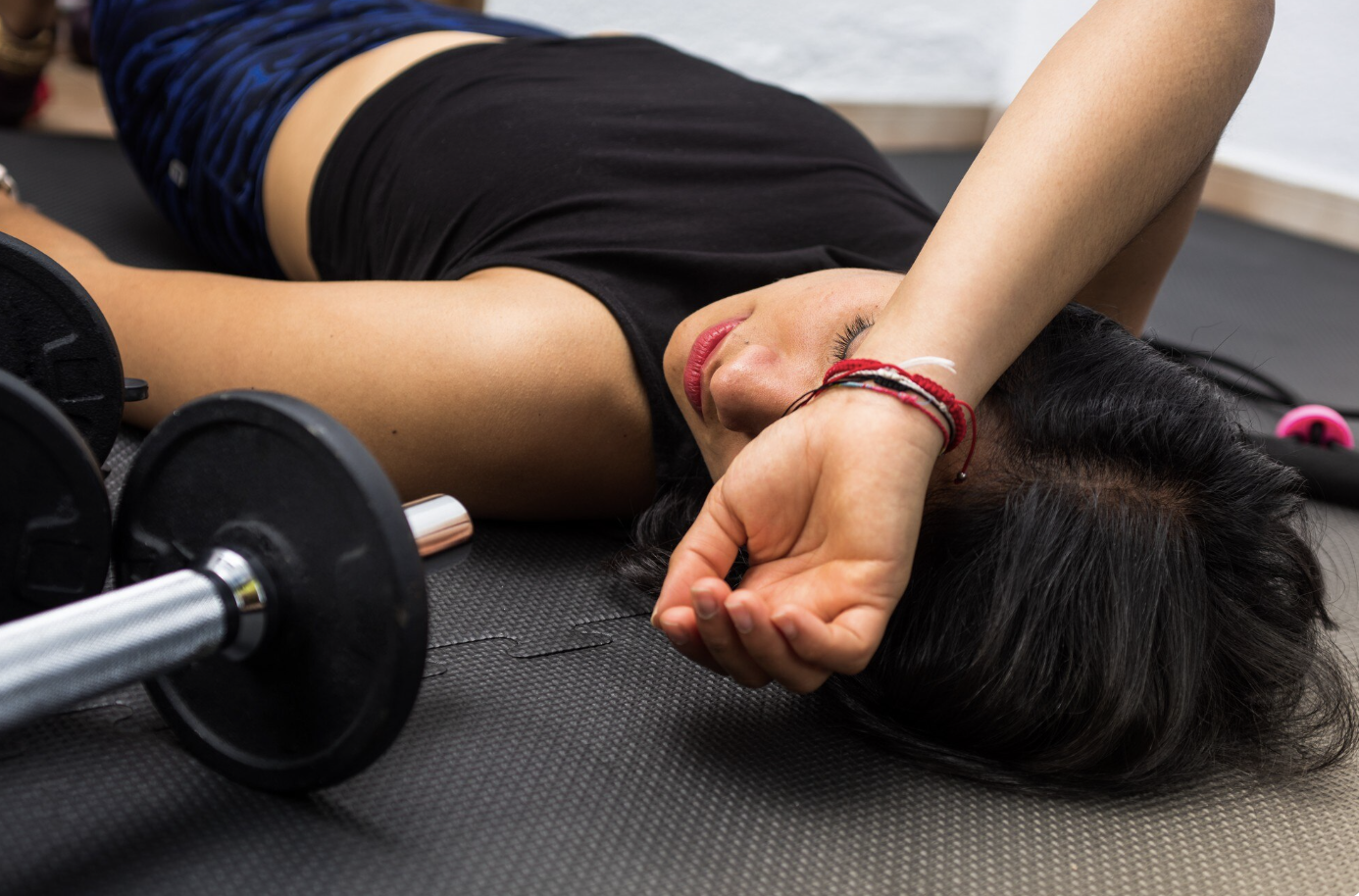
Why So Many People Wake Up Tired — Even After a Full Night’s Sleep
Ever wake up after what should have been a good night’s sleep… only to feel like you could go right back to bed?


What 10 Minutes of Walking Immediately After Meals Does to Your Blood Sugar?

The 60-Second Reset #01: A 10-Second Fix for Screen-Strained Eyes

Hot vs Cold Therapy: Harnessing Thermal Stress for Metabolic and Mental Resilience

The Vagus Nerve & Nervous System Regulation: Taming the Unseen Stress Response

The 50+ Turning Point: Why Midlife is Ground Zero for Long-Term Vitality

What’s One Piece of Health Advice That Actually Worked for You?

Can Small Sleep Changes Improve Mental Sharpness? Here’s What Researchers Are Learning

The Optical Dilation Trick: How Expanding Your Vision Resets Desk Eye Strain and Anxiety
The Vagus Nerve & Nervous System Regulation: Taming the Unseen Stress Response
Hot vs Cold Therapy: Harnessing Thermal Stress for Metabolic and Mental Resilience
-

 Fitness3 months ago
Unexpected Health Habit: Not a Diet or Supplement – Just One Everyday Habit Worth Noticing
-
 Health4 months ago
What Your Hands Quietly Reveal About Your Digestion (And How To Use It)
-
 Fitness4 months ago
5 Health Myths Most Adults Still Believe And What Actually Matters Instead
-

 Health3 months ago
Have You Ever Wondered Why Homemade Meals Rarely Taste the Same?
-
 Fitness4 months ago
Experts Reveal: The 1-Minute Routine That Improves Digestion Instantly
-
 Health3 months ago
“Lazy Meal Prep”: The easier way people are actually sticking to healthy eating
-
 Health4 months ago
You Slept 8 Hours… So Why Do You Still Feel Exhausted?
-

 Health2 months ago
How Many Steps a Day Actually Matter for Longevity – 5K or 15K?