
Fitness
5 Silent Signs of Vitamin D Deficiency
Vitamin D deficiency is surprisingly common, affecting nearly 40% of adults worldwide, yet often goes unnoticed because its symptoms are subtle rather than obvious.
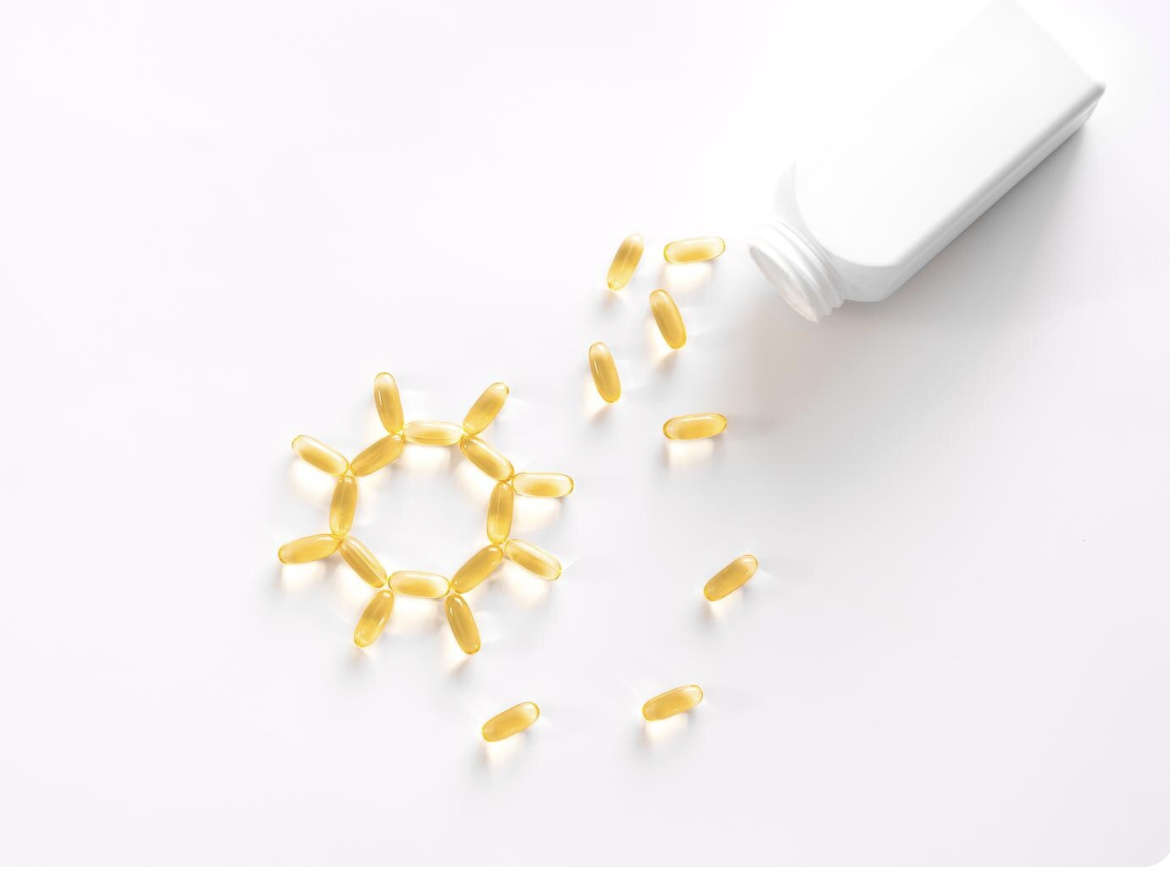
Here’s something interesting: most of us think of Vitamin D as the “sunshine vitamin,” but very few of us actually stop to consider whether we’re getting enough of it. And that’s the tricky part—deficiency doesn’t always scream at you with obvious symptoms. Sometimes, it whispers.
In fact, studies show that nearly 40% of adults worldwide don’t have optimal Vitamin D levels, yet many don’t realize it until the effects start stacking up. The real question is: how do you spot the early, subtle signs before they turn into bigger health concerns?
Let’s break it down together.
- Bone Aches You Can’t Explain
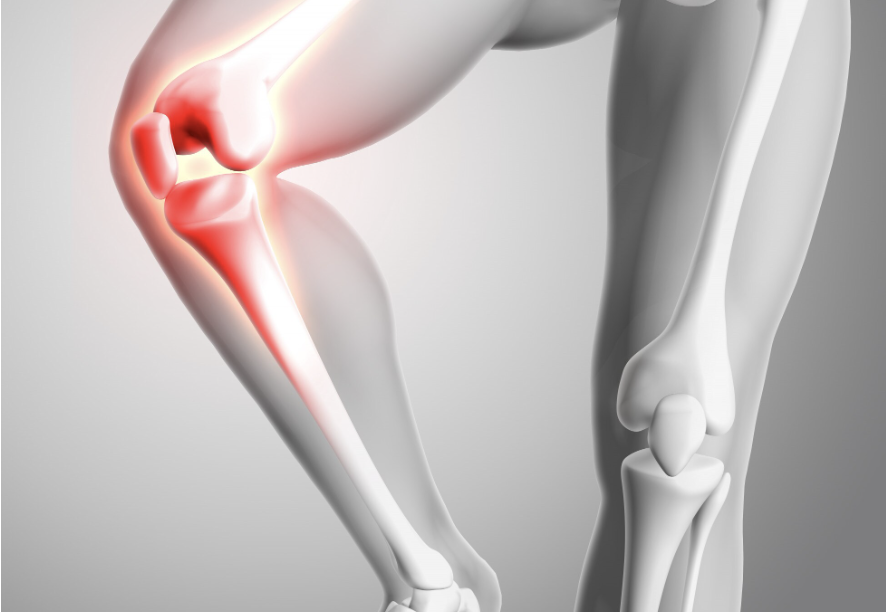
Ever felt a dull, nagging ache in your lower back, hips, or legs—even though you didn’t overdo it at the gym? That might not just be “getting older.” Vitamin D plays a huge role in calcium absorption. Without it, your bones can become weaker and more sensitive, and you might notice discomfort that feels different from muscle soreness.
This doesn’t happen overnight—it builds slowly, which is why so many people dismiss it as stiffness or poor posture. But if it lingers, it’s worth paying attention to.
- You Catch Every Bug That’s Going Around

Do you feel like you’re constantly fighting off colds, lingering coughs, or that one sinus infection that just won’t quit? Vitamin D quietly supports your immune system by helping activate T-cells—the little “soldiers” that fight off infections.
When your levels are low, those soldiers don’t respond as efficiently. The result? You’re the first one in the office to catch what’s going around, and the last one to shake it.
- Your Mood Feels Heavier Than Usual

Here’s where things get fascinating. Researchers have discovered a strong link between Vitamin D and mood regulation. Why? Because Vitamin D receptors are found in areas of the brain that manage emotions.
Low levels have been tied to seasonal affective disorder (SAD) and even ongoing low mood. If you’ve noticed that your motivation feels “off” or that your energy dips for no obvious reason, it could be more than just stress—it might be a quiet signal from your body.
- Your Muscles Tire Out Too Quickly

You know that weird feeling when you start climbing stairs or carrying groceries and your legs burn out faster than they should? Vitamin D influences muscle strength and recovery.
Deficiency can make your muscles feel weaker, less coordinated, or more prone to fatigue. It’s not always dramatic—it shows up as little frustrations, like needing breaks sooner than you used to.
- Cuts and Scrapes Heal Slowly
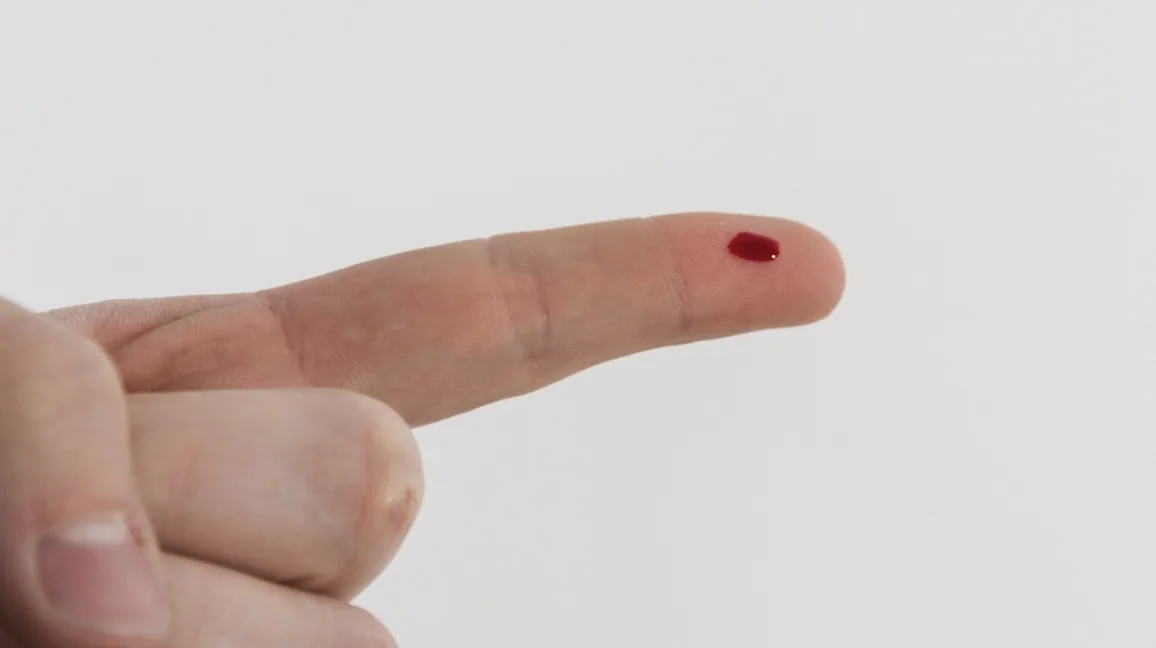
Here’s one people rarely connect with Vitamin D. If you’ve noticed that minor cuts, scratches, or bruises seem to take forever to heal, it may be linked to low Vitamin D. That’s because Vitamin D is involved in the formation of new skin and tissue repair.
It’s subtle—you won’t notice it after one scrape—but if it becomes a pattern, it’s worth considering.
Why These Signs Often Go Overlooked
The challenge with Vitamin D deficiency is that these signals don’t scream “deficiency!” They masquerade as everyday annoyances: fatigue, mood swings, stiffness. Many people chalk them up to stress, age, or busy lifestyles.
But when you put them together—the achy bones, the frequent colds, the heavy moods—it paints a clearer picture.
What You Can Do About It
Here’s the good news: getting your Vitamin D levels checked is simple, and boosting them isn’t complicated. A few strategies include:
- Getting sunlight smartly (short, safe exposure on arms and legs).
- Including food sources like fatty fish, fortified dairy, or eggs.
- Supplements if needed (always under professional guidance).
The point isn’t to panic—it’s to get curious. Sometimes small changes can make a huge difference in how you feel day to day.
Final Thought
Vitamin D deficiency is sneaky, but your body often gives you hints long before it becomes serious. Think of it as a quiet nudge, not a full-blown alarm. If any of these signs feel familiar, it might be worth checking your levels.
Because sometimes, it’s not “just stress” or “just age”—sometimes it’s your body asking for a little more sunshine.
Fitness
What 10 Minutes of Walking Immediately After Meals Does to Your Blood Sugar?
Blunting that spike doesn’t require intense cardio or an hour at the gym. A simple 10-minute walk right after eating changes everything.

You finish lunch, clean up your plate, and sit right back down at your desk or collapse onto the couch. Within an hour, a wave of heaviness hits, leaving you sluggish and hunting for an afternoon snack.
This post-meal slump isn’t just about digestion—it’s driven by a sudden spike in your blood sugar. Luckily, blunting that spike doesn’t require intense cardio or an hour at the gym. A simple 10-minute walk right after eating changes everything.
“I used to get so sleepy after lunch that I could barely keep my eyes open during afternoon meetings. Taking a quick 10-minute stroll around the block sounded too simple to work, but my energy hasn’t crashed once since I started.” — Rachel Vance, 41, Accountant
1. Your Muscles Act Like “Glucose Sponges”
When you digest food, your body breaks carbohydrates down into glucose, which enters your bloodstream. Normally, your pancreas has to release a flood of insulin to move that sugar out of your blood and into your cells.
When you contract your leg muscles by walking, those muscles soak up glucose directly from your blood for instant fuel—without needing extra insulin. This mechanism keeps your blood sugar curve smooth and flat instead of sharp and elevated.
2. You Stop the “Spike-and-Crash” Cycle
Sitting still after a heavy meal allows glucose to pool in your bloodstream, creating a steep peak followed by a dramatic drop. That sudden crash is what triggers intense cravings, brain fog, and irritability around 3 PM.
Moving right away keeps your circulation active, spreading out energy delivery so you stay alert without the sudden drop.
“My doctor recommended a short post-meal walk to manage my sugar levels. It takes almost no effort, but my daily energy is noticeably more consistent.” — Arthur Pendelton, 62, Retired Administrator
3. How to Make the 10-Minute Habit Stick
-
Timing beats intensity: You don’t need to power-walk or break a sweat. A casual, easy-paced stroll works perfectly, as long as you start within 15–20 minutes of finishing your meal.
-
Keep it flexible: Bad weather? Pace around your living room, walk up and down a hallway, or tidy up the kitchen. Any light movement counts.
-
Anchor it to lunch: Make it a rule that your workday break ends with a brief 10-minute loop outside before you sit back down at your computer.
Fitness
When Was the Last Time You Gave Your Brain Something New to Solve?
We wake up, answer messages, work through familiar routines, and make many of the same decisions we’ve made before.

Fitness
Why So Many People Wake Up Tired — Even After a Full Night’s Sleep
Ever wake up after what should have been a good night’s sleep… only to feel like you could go right back to bed?


What 10 Minutes of Walking Immediately After Meals Does to Your Blood Sugar?

The 60-Second Reset #01: A 10-Second Fix for Screen-Strained Eyes

Hot vs Cold Therapy: Harnessing Thermal Stress for Metabolic and Mental Resilience

The Vagus Nerve & Nervous System Regulation: Taming the Unseen Stress Response

The 50+ Turning Point: Why Midlife is Ground Zero for Long-Term Vitality

What’s One Piece of Health Advice That Actually Worked for You?

Can Small Sleep Changes Improve Mental Sharpness? Here’s What Researchers Are Learning

The Optical Dilation Trick: How Expanding Your Vision Resets Desk Eye Strain and Anxiety
The Vagus Nerve & Nervous System Regulation: Taming the Unseen Stress Response
Hot vs Cold Therapy: Harnessing Thermal Stress for Metabolic and Mental Resilience
-

 Fitness3 months ago
Unexpected Health Habit: Not a Diet or Supplement – Just One Everyday Habit Worth Noticing
-
 Health4 months ago
What Your Hands Quietly Reveal About Your Digestion (And How To Use It)
-
 Fitness4 months ago
5 Health Myths Most Adults Still Believe And What Actually Matters Instead
-

 Health3 months ago
Have You Ever Wondered Why Homemade Meals Rarely Taste the Same?
-
 Fitness4 months ago
Experts Reveal: The 1-Minute Routine That Improves Digestion Instantly
-
 Health3 months ago
“Lazy Meal Prep”: The easier way people are actually sticking to healthy eating
-
 Health4 months ago
You Slept 8 Hours… So Why Do You Still Feel Exhausted?
-

 Health2 months ago
How Many Steps a Day Actually Matter for Longevity – 5K or 15K?