
Fitness
Discovery: Learning a New Skill Actually Thickens Brain Tissue
Scientists have discovered that learning something new doesn’t just make you smarter — it physically changes your brain.
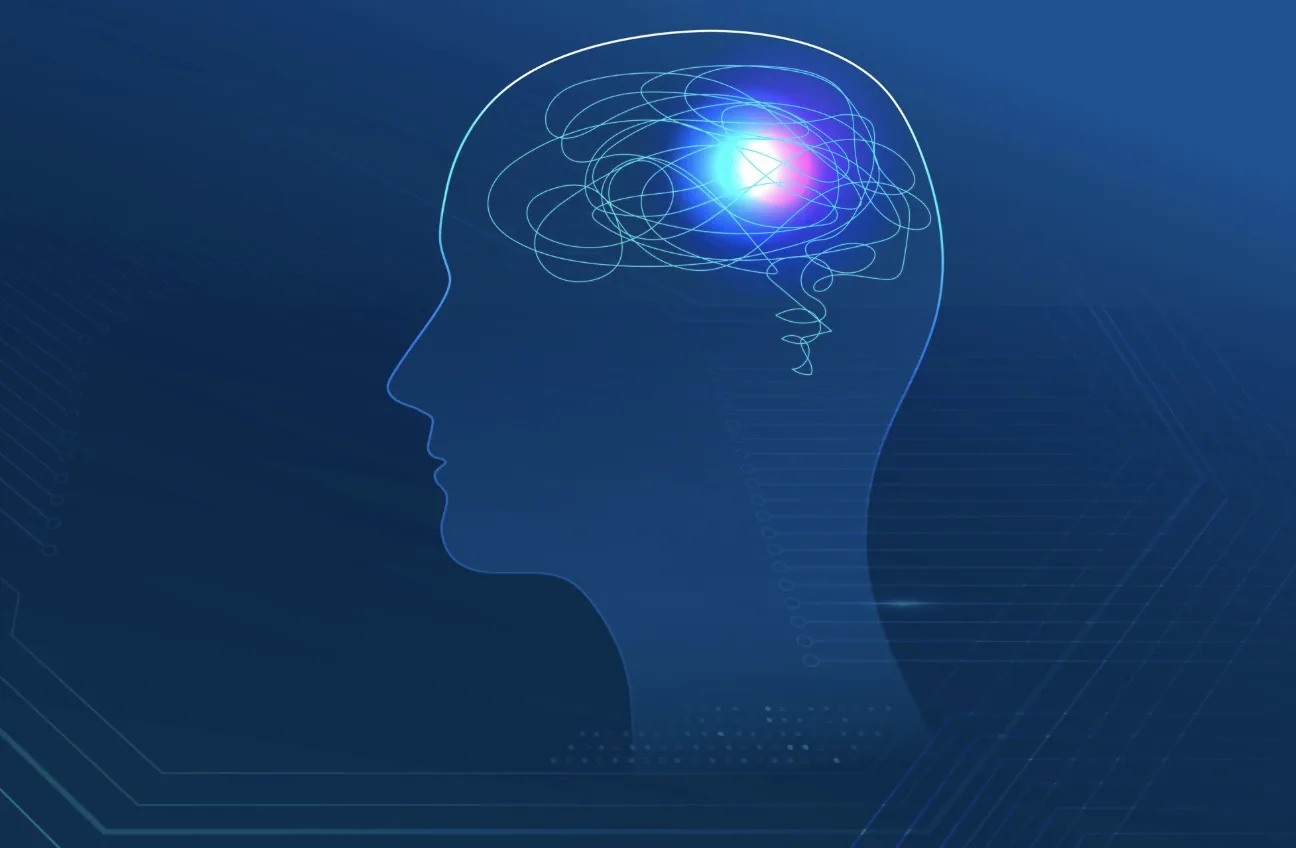
Most of us have heard the old phrase, “You can’t teach an old dog new tricks.” But science is showing the opposite is true — and far more exciting.
Your brain is not a static organ that slowly wears down with age. It’s a living, changing system. And when you pick up a new skill — whether that’s painting, cooking a new cuisine, or even learning to juggle — your brain doesn’t just “get smarter.” It physically changes. New research shows that learning can actually thicken your brain tissue, much like exercise strengthens a muscle.
Your Brain: Not Fixed, but Flexible
For centuries, scientists believed that the adult brain was largely set in stone after childhood. However, in the last few decades, neuroscience has revealed a revolutionary phenomenon: neuroplasticity.
Neuroplasticity is the brain’s ability to reorganize itself, grow new connections, and even produce new cells. Think of it as your brain’s built-in “remodeling system.” And one of the strongest triggers for this remodeling? Learning new things.
What Happens When You Learn Something New
When you challenge yourself with a new skill, your brain cells (neurons) start firing in fresh patterns. If you persist, your brain responds by strengthening those connections. Even more fascinating — your brain begins to add myelin, a fatty coating around nerve fibers that speeds up communication.
The result? Brain tissue literally thickens in areas connected to the new skill. MRI scans have shown:
- Musicians often develop thicker regions in the auditory and motor areas of the brain.
- Taxi drivers in London, renowned for navigating the city’s winding streets, exhibit growth in the hippocampus — the brain’s memory center.
- Bilingual speakers tend to have denser gray matter in language areas.
So when you commit to learning, you’re not just gaining knowledge — you’re physically reshaping your brain.
Why This Matters for Aging
Here’s where it gets even more encouraging: learning is one of the most powerful ways to slow down cognitive decline.
Studies have found that older adults who take on new skills — from digital photography to quilting — show measurable improvements in memory and processing speed. Some even reverse the signs of age-related decline.
In simple terms, learning keeps your brain young. Just as regular exercise keeps your muscles and heart strong, skill-building keeps your neurons firing and your brain tissue robust.
Which Skills Give the Best Boost?
Not all skills challenge the brain equally. The greatest benefits come from activities that initially feel uncomfortable — the ones that push you outside your mental comfort zone.
Here are some categories scientists highlight:
- Motor Skills – Dancing, playing an instrument, juggling, or even calligraphy.
- Language Learning – Picking up a new language or even learning American Sign Language.
- Memory-Rich Hobbies – Playing chess, card games, or strategy-based video games.
- Creative Arts – Painting, sculpting, photography, or creative writing.
- Everyday Challenges – Cooking from scratch, trying new recipes, or learning DIY home repairs.
The key is novelty and challenge. If it feels routine, your brain isn’t remodeling. But if it feels like you’re stumbling and stretching, that’s when the magic happens.
The Stress-Skill Connection
Interestingly, learning doesn’t just boost brain tissue — it also helps regulate stress.
When you’re deeply focused on a new skill, your brain slips into a “flow state” — that satisfying zone where you lose track of time. In this state, stress hormones like cortisol drop, while feel-good chemicals like dopamine rise. This mix not only improves your mood but also enhances memory, making learning more effective.
How Much Time Do You Need?
The good news: you don’t need hours a day to reshape your brain. Even short, consistent sessions add up. Studies show that practicing a new skill for 15–30 minutes a day can create measurable changes in brain structure within weeks to months.
Think of it like exercise: you don’t need a marathon to get healthier — just regular movement. Similarly, steady exposure to new skills gradually builds brain strength.
A Simple Way to Start
If you want to try this brain-boosting habit, start small. Choose something that feels fun but just outside your comfort zone. Here’s a quick roadmap:
- Pick one skill. Don’t overwhelm yourself. Focus beats multitasking.
- Dedicate 20 minutes daily. Consistency matters more than intensity.
- Track your progress. Noticing improvement reinforces motivation.
- Stay playful. Laugh at mistakes — they’re signs your brain is working.
Imagine learning guitar chords, experimenting with bread baking, or signing up for a pottery class. Each attempt strengthens your brain at the cellular level.
The Bigger Picture
In a world obsessed with quick fixes, this discovery is a refreshing reminder: the brain thrives on challenge and growth. By learning, you’re not just acquiring a hobby — you’re actively protecting your memory, lowering your risk of dementia, and making your mind sharper at any age.
So the next time you hesitate to try something new because you’re “too old” or “too busy,” remember: your brain is waiting for its next workout. And unlike a treadmill, this workout could be playing the piano, learning Spanish, or finally trying that salsa class.
Final Thought
Laugh lines, gray hair, and birthdays are all part of the aging process. But a sluggish brain doesn’t have to be. Every new skill you learn is like adding a protective layer of strength to your mind.
So maybe the real question isn’t whether you should try something new — it’s: What skill will you let reshape your brain next?
Fitness
What 10 Minutes of Walking Immediately After Meals Does to Your Blood Sugar?
Blunting that spike doesn’t require intense cardio or an hour at the gym. A simple 10-minute walk right after eating changes everything.

You finish lunch, clean up your plate, and sit right back down at your desk or collapse onto the couch. Within an hour, a wave of heaviness hits, leaving you sluggish and hunting for an afternoon snack.
This post-meal slump isn’t just about digestion—it’s driven by a sudden spike in your blood sugar. Luckily, blunting that spike doesn’t require intense cardio or an hour at the gym. A simple 10-minute walk right after eating changes everything.
“I used to get so sleepy after lunch that I could barely keep my eyes open during afternoon meetings. Taking a quick 10-minute stroll around the block sounded too simple to work, but my energy hasn’t crashed once since I started.” — Rachel Vance, 41, Accountant
1. Your Muscles Act Like “Glucose Sponges”
When you digest food, your body breaks carbohydrates down into glucose, which enters your bloodstream. Normally, your pancreas has to release a flood of insulin to move that sugar out of your blood and into your cells.
When you contract your leg muscles by walking, those muscles soak up glucose directly from your blood for instant fuel—without needing extra insulin. This mechanism keeps your blood sugar curve smooth and flat instead of sharp and elevated.
2. You Stop the “Spike-and-Crash” Cycle
Sitting still after a heavy meal allows glucose to pool in your bloodstream, creating a steep peak followed by a dramatic drop. That sudden crash is what triggers intense cravings, brain fog, and irritability around 3 PM.
Moving right away keeps your circulation active, spreading out energy delivery so you stay alert without the sudden drop.
“My doctor recommended a short post-meal walk to manage my sugar levels. It takes almost no effort, but my daily energy is noticeably more consistent.” — Arthur Pendelton, 62, Retired Administrator
3. How to Make the 10-Minute Habit Stick
-
Timing beats intensity: You don’t need to power-walk or break a sweat. A casual, easy-paced stroll works perfectly, as long as you start within 15–20 minutes of finishing your meal.
-
Keep it flexible: Bad weather? Pace around your living room, walk up and down a hallway, or tidy up the kitchen. Any light movement counts.
-
Anchor it to lunch: Make it a rule that your workday break ends with a brief 10-minute loop outside before you sit back down at your computer.
Fitness
When Was the Last Time You Gave Your Brain Something New to Solve?
We wake up, answer messages, work through familiar routines, and make many of the same decisions we’ve made before.

Fitness
Why So Many People Wake Up Tired — Even After a Full Night’s Sleep
Ever wake up after what should have been a good night’s sleep… only to feel like you could go right back to bed?


What 10 Minutes of Walking Immediately After Meals Does to Your Blood Sugar?

The 60-Second Reset #01: A 10-Second Fix for Screen-Strained Eyes

Hot vs Cold Therapy: Harnessing Thermal Stress for Metabolic and Mental Resilience

The Vagus Nerve & Nervous System Regulation: Taming the Unseen Stress Response

The 50+ Turning Point: Why Midlife is Ground Zero for Long-Term Vitality

What’s One Piece of Health Advice That Actually Worked for You?

Can Small Sleep Changes Improve Mental Sharpness? Here’s What Researchers Are Learning

The Optical Dilation Trick: How Expanding Your Vision Resets Desk Eye Strain and Anxiety
The Vagus Nerve & Nervous System Regulation: Taming the Unseen Stress Response
Hot vs Cold Therapy: Harnessing Thermal Stress for Metabolic and Mental Resilience
-

 Fitness3 months ago
Unexpected Health Habit: Not a Diet or Supplement – Just One Everyday Habit Worth Noticing
-
 Health4 months ago
What Your Hands Quietly Reveal About Your Digestion (And How To Use It)
-
 Fitness4 months ago
5 Health Myths Most Adults Still Believe And What Actually Matters Instead
-

 Health3 months ago
Have You Ever Wondered Why Homemade Meals Rarely Taste the Same?
-
 Fitness4 months ago
Experts Reveal: The 1-Minute Routine That Improves Digestion Instantly
-
 Health3 months ago
“Lazy Meal Prep”: The easier way people are actually sticking to healthy eating
-
 Health4 months ago
You Slept 8 Hours… So Why Do You Still Feel Exhausted?
-
 Health2 months ago
How Many Steps a Day Actually Matter for Longevity – 5K or 15K?