
Fitness
How to Double Your Endurance With Breathing, Not Training
When your breathing muscles tire out, your body diverts blood away from your limbs to keep you breathing.
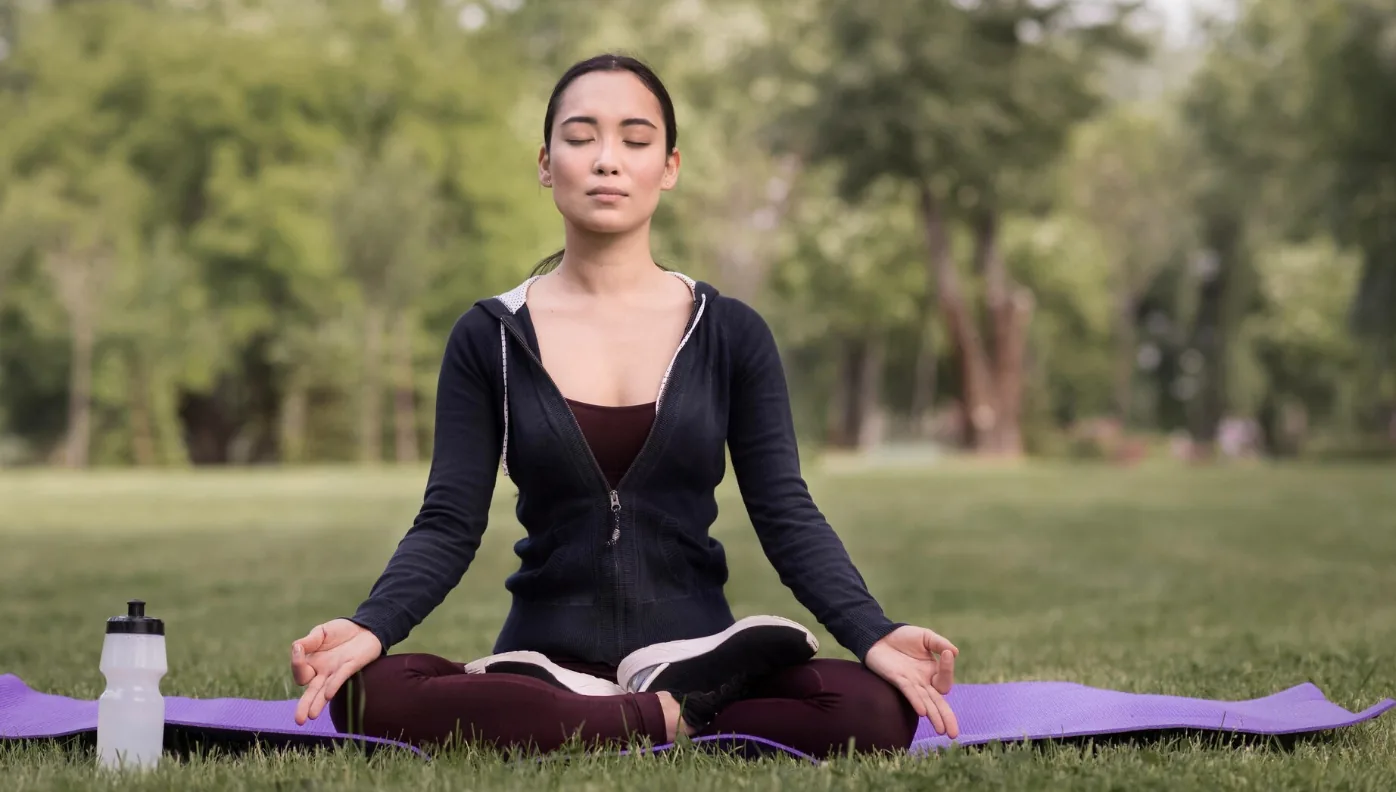
Most people think endurance grows only through tougher workouts, longer miles, or heavier sweat. But here’s the twist almost no one talks about: your lungs—not your legs—decide how long you can keep going.
And if you learn to breathe in a smarter way, your endurance can rise without adding a single extra minute of training.
Yes, this is the part where many readers say, “I have never read such a thing before.”
Let’s get into the science and the surprisingly simple techniques that athletes, soldiers, and even singers use to perform longer without burnout.
Why Your Breathing Is the Real ‘Fuel System’
Your muscles don’t tire because they’re weak. They tire because they run out of oxygen or cannot clear out carbon dioxide quickly enough.
Here’s the lesser-known fact:
Your breathing muscles—diaphragm and intercostals—fatigue up to 2× faster than your leg muscles.
When they get tired, your body triggers something called the “metaboreflex.”
This is your body’s emergency response that quietly steals blood from your arms and legs and sends it to your breathing muscles.
That means:
- Your legs feel heavier.
- Your heart beats harder.
- You slow down even when you don’t want to.
Most people blame their legs.
But the real issue is your breathing system hitting its limit.
The Rare Insight: Slow Breathing Can Boost Endurance Faster Than Running
Here’s the part that surprises everyone:
When you slow your breathing, your oxygen extraction becomes more efficient.
A small shift—from fast chest breathing to slower belly breathing—can:
- reduce heart strain
- delay muscle fatigue
- improve stamina without changing your workout volume
Some studies show endurance increases of up to 30–50% just by strengthening the breathing system.
And no, this is not meditation.
This is pure physiology.
The 3 Breathing Skills That Create ‘Hidden Endurance’
- Diaphragm-First Breathing (The Deep Engine)
Most adults breathe shallowly into their chest.
That means the bottom 30% of their lungs—the oxygen-rich zone—never gets fully used.
Switching to diaphragm-first breathing:
- delivers more oxygen with less effort
- keeps heart rate lower during workouts
- reduces early fatigue
Think of it as finding a bigger fuel tank you didn’t know you had.
- CO₂ Tolerance Training (Your Secret Endurance Switch)
This is the part very few people know:
Your endurance depends more on your ability to handle CO₂ than on your ability to take in oxygen.
When your CO₂ tolerance is low, you feel breathless quickly—even if your muscles still have plenty left.
By training your body to stay calm with a little more CO₂ in your system, you:
- breathe slower
- waste less energy
- last longer
This is the technique that freedivers use to hold their breath for minutes…
And endurance athletes are only now catching up.
- ‘Breath Cadence’ Matching (The Rhythm Trick)
Here’s a trick used by elite runners:
Match your breath to your movement rhythm.
This reduces the impact on your diaphragm and keeps your core stable, letting you move longer with less wobble and wasted energy.
Even a tiny adjustment—like breathing every 3 steps instead of every 2—can dramatically change how long you can sustain effort.
Most beginners never hear about this.
But once you try it, you instantly feel the difference.
A Practice You Can Try Today (Takes Only 45 Seconds)
Here is a quick exercise that often surprises people:
The 4-2-6 Breathing Drill
- Inhale for 4 seconds
- Hold for 2 seconds
- Exhale for 6 seconds
Do this 6–8 times.
This technique:
- strengthens the diaphragm
- increases CO₂ tolerance
- calms your nervous system
- makes oxygen usage more efficient
Some people report being able to run or walk noticeably longer the same day.
Why This Works Without Extra Training
By improving breathing:
- your muscles get fresher oxygen
- your heart doesn’t overwork
- your body clears waste faster
- you delay the “crash point” that usually stops you
You’re not adding stress—you’re removing hidden weaknesses.
Endurance grows not because your muscles are better…
but because your oxygen system stops holding you back.
The Fresh Perspective Most People Miss
Here’s a question very few fitness experts ask:
If you can’t breathe better, how can you expect to perform better?
Most people chase new shoes, new supplements, new routines—
but they ignore the system that actually feeds their muscles.
Your breath is the one thing you do 20,000 times a day, yet almost no one trains it.
Fix that, and you unlock endurance you never knew you had.
Your Breath Is the Most Underused Fitness Tool
If you want to increase stamina, feel lighter during workouts, stay calm under stress, or even sleep better…
Start with your breath.
It costs nothing.
It takes minutes.
And it changes everything.
Because sometimes, the way to go further is not to push harder—
but to breathe smarter.
Fitness
What 10 Minutes of Walking Immediately After Meals Does to Your Blood Sugar?
Blunting that spike doesn’t require intense cardio or an hour at the gym. A simple 10-minute walk right after eating changes everything.
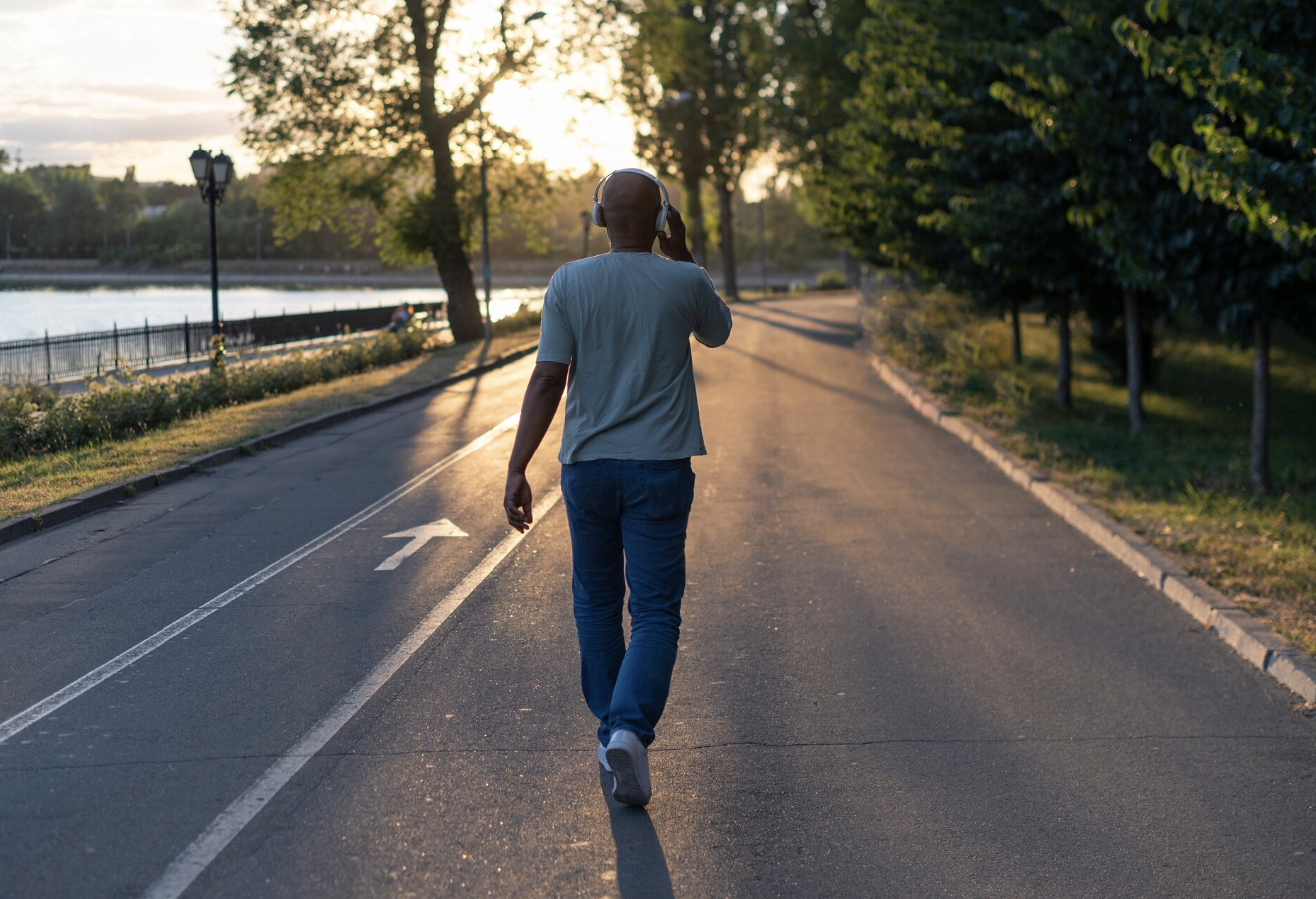
You finish lunch, clean up your plate, and sit right back down at your desk or collapse onto the couch. Within an hour, a wave of heaviness hits, leaving you sluggish and hunting for an afternoon snack.
This post-meal slump isn’t just about digestion—it’s driven by a sudden spike in your blood sugar. Luckily, blunting that spike doesn’t require intense cardio or an hour at the gym. A simple 10-minute walk right after eating changes everything.
“I used to get so sleepy after lunch that I could barely keep my eyes open during afternoon meetings. Taking a quick 10-minute stroll around the block sounded too simple to work, but my energy hasn’t crashed once since I started.” — Rachel Vance, 41, Accountant
1. Your Muscles Act Like “Glucose Sponges”
When you digest food, your body breaks carbohydrates down into glucose, which enters your bloodstream. Normally, your pancreas has to release a flood of insulin to move that sugar out of your blood and into your cells.
When you contract your leg muscles by walking, those muscles soak up glucose directly from your blood for instant fuel—without needing extra insulin. This mechanism keeps your blood sugar curve smooth and flat instead of sharp and elevated.
2. You Stop the “Spike-and-Crash” Cycle
Sitting still after a heavy meal allows glucose to pool in your bloodstream, creating a steep peak followed by a dramatic drop. That sudden crash is what triggers intense cravings, brain fog, and irritability around 3 PM.
Moving right away keeps your circulation active, spreading out energy delivery so you stay alert without the sudden drop.
“My doctor recommended a short post-meal walk to manage my sugar levels. It takes almost no effort, but my daily energy is noticeably more consistent.” — Arthur Pendelton, 62, Retired Administrator
3. How to Make the 10-Minute Habit Stick
-
Timing beats intensity: You don’t need to power-walk or break a sweat. A casual, easy-paced stroll works perfectly, as long as you start within 15–20 minutes of finishing your meal.
-
Keep it flexible: Bad weather? Pace around your living room, walk up and down a hallway, or tidy up the kitchen. Any light movement counts.
-
Anchor it to lunch: Make it a rule that your workday break ends with a brief 10-minute loop outside before you sit back down at your computer.
Fitness
When Was the Last Time You Gave Your Brain Something New to Solve?
We wake up, answer messages, work through familiar routines, and make many of the same decisions we’ve made before.

Fitness
Why So Many People Wake Up Tired — Even After a Full Night’s Sleep
Ever wake up after what should have been a good night’s sleep… only to feel like you could go right back to bed?


What 10 Minutes of Walking Immediately After Meals Does to Your Blood Sugar?

The 60-Second Reset #01: A 10-Second Fix for Screen-Strained Eyes

Hot vs Cold Therapy: Harnessing Thermal Stress for Metabolic and Mental Resilience

The Vagus Nerve & Nervous System Regulation: Taming the Unseen Stress Response

The 50+ Turning Point: Why Midlife is Ground Zero for Long-Term Vitality

What’s One Piece of Health Advice That Actually Worked for You?

Can Small Sleep Changes Improve Mental Sharpness? Here’s What Researchers Are Learning

The Optical Dilation Trick: How Expanding Your Vision Resets Desk Eye Strain and Anxiety
The Vagus Nerve & Nervous System Regulation: Taming the Unseen Stress Response
Hot vs Cold Therapy: Harnessing Thermal Stress for Metabolic and Mental Resilience
-

 Fitness3 months ago
Unexpected Health Habit: Not a Diet or Supplement – Just One Everyday Habit Worth Noticing
-
 Health4 months ago
What Your Hands Quietly Reveal About Your Digestion (And How To Use It)
-
 Fitness4 months ago
5 Health Myths Most Adults Still Believe And What Actually Matters Instead
-

 Health3 months ago
Have You Ever Wondered Why Homemade Meals Rarely Taste the Same?
-
 Fitness4 months ago
Experts Reveal: The 1-Minute Routine That Improves Digestion Instantly
-
 Health3 months ago
“Lazy Meal Prep”: The easier way people are actually sticking to healthy eating
-
 Health4 months ago
You Slept 8 Hours… So Why Do You Still Feel Exhausted?
-
 Health2 months ago
How Many Steps a Day Actually Matter for Longevity – 5K or 15K?