
Health
Sleep Your Way to Success: Why Adequate Rest is Essential for Achieving Your Goals
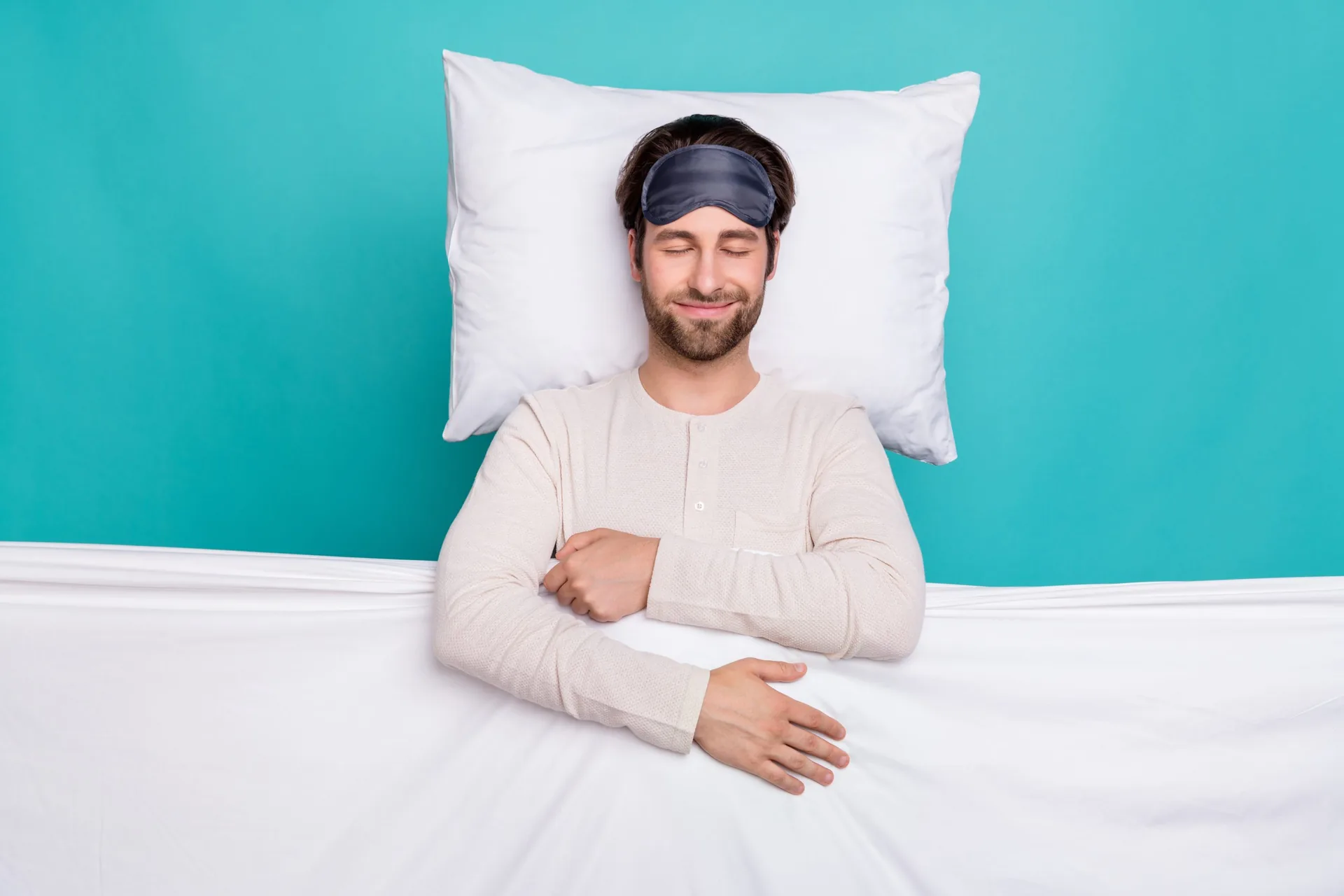
In today’s fast-paced world, success is often equated with working hard, burning the midnight oil, and sacrificing sleep in pursuit of one’s goals. However, research suggests that inadequate rest can have detrimental effects on our physical and mental well-being, ultimately hindering our ability to achieve success. In fact, numerous studies have found that getting enough sleep is essential for optimal cognitive function, emotional regulation, and overall productivity.
One of the key reasons why adequate rest is essential for achieving success is its impact on cognitive function. When we are sleep deprived, our ability to focus, concentrate, and make decisions becomes impaired. This can lead to a decrease in productivity, as well as an increase in errors and poor judgment. On the other hand, when we are well-rested, our cognitive abilities are enhanced, allowing us to think clearly, creatively, and efficiently. This can greatly improve our problem-solving skills and our ability to innovate, two essential traits for success in any field.
In addition to cognitive function, sleep also plays a crucial role in emotional regulation. When we are sleep deprived, we are more likely to experience mood swings, irritability, and heightened stress levels. This can negatively impact our relationships with others, as well as our ability to handle the inevitable challenges and setbacks that come with pursuing our goals. On the other hand, when we are well-rested, we are better able to regulate our emotions, maintain a positive outlook, and approach challenges with resilience and optimism.
Furthermore, sleep is essential for physical health and well-being, which is also crucial for achieving success. Research has shown that inadequate rest is associated with a higher risk of chronic health conditions such as obesity, diabetes, and heart disease. These health issues can not only hinder our ability to work towards our goals but can also reduce our overall quality of life. On the other hand, getting enough sleep can help to boost our immune system, regulate our metabolism, and improve our physical stamina, all of which are essential for maintaining the energy and resilience needed to succeed in our endeavors.
So, how can we prioritize and improve our sleep in order to maximize our potential for success? One important step is to establish a consistent sleep routine, aiming for 7-9 hours of sleep each night. This means going to bed and waking up at the same time every day, even on weekends. Creating a relaxing bedtime routine, such as reading a book or practicing mindfulness, can also help to prepare our bodies and minds for rest. Additionally, it’s important to create a sleep-conducive environment by keeping our bedrooms cool, dark, and quiet, and avoiding screens or stimulating activities before bed.
In conclusion, sleep is not a luxury but a necessity when it comes to achieving success. By prioritizing adequate rest, we can improve our cognitive function, emotional regulation, and physical health, all of which are essential for reaching our goals. So, the next time you find yourself staying up late in pursuit of success, remember that getting enough sleep might be the key to unlocking your full potential.
Fitness
What 10 Minutes of Walking Immediately After Meals Does to Your Blood Sugar?
Blunting that spike doesn’t require intense cardio or an hour at the gym. A simple 10-minute walk right after eating changes everything.

You finish lunch, clean up your plate, and sit right back down at your desk or collapse onto the couch. Within an hour, a wave of heaviness hits, leaving you sluggish and hunting for an afternoon snack.
This post-meal slump isn’t just about digestion—it’s driven by a sudden spike in your blood sugar. Luckily, blunting that spike doesn’t require intense cardio or an hour at the gym. A simple 10-minute walk right after eating changes everything.
“I used to get so sleepy after lunch that I could barely keep my eyes open during afternoon meetings. Taking a quick 10-minute stroll around the block sounded too simple to work, but my energy hasn’t crashed once since I started.” — Rachel Vance, 41, Accountant
1. Your Muscles Act Like “Glucose Sponges”
When you digest food, your body breaks carbohydrates down into glucose, which enters your bloodstream. Normally, your pancreas has to release a flood of insulin to move that sugar out of your blood and into your cells.
When you contract your leg muscles by walking, those muscles soak up glucose directly from your blood for instant fuel—without needing extra insulin. This mechanism keeps your blood sugar curve smooth and flat instead of sharp and elevated.
2. You Stop the “Spike-and-Crash” Cycle
Sitting still after a heavy meal allows glucose to pool in your bloodstream, creating a steep peak followed by a dramatic drop. That sudden crash is what triggers intense cravings, brain fog, and irritability around 3 PM.
Moving right away keeps your circulation active, spreading out energy delivery so you stay alert without the sudden drop.
“My doctor recommended a short post-meal walk to manage my sugar levels. It takes almost no effort, but my daily energy is noticeably more consistent.” — Arthur Pendelton, 62, Retired Administrator
3. How to Make the 10-Minute Habit Stick
-
Timing beats intensity: You don’t need to power-walk or break a sweat. A casual, easy-paced stroll works perfectly, as long as you start within 15–20 minutes of finishing your meal.
-
Keep it flexible: Bad weather? Pace around your living room, walk up and down a hallway, or tidy up the kitchen. Any light movement counts.
-
Anchor it to lunch: Make it a rule that your workday break ends with a brief 10-minute loop outside before you sit back down at your computer.
Health
The 60-Second Reset #01: A 10-Second Fix for Screen-Strained Eyes
Staring at screens all day traps your eye muscles in a continuous near-focus contraction, causing severe eye fatigue, dry eyes, and headaches.

If you spend more than four hours a day looking at digital screens, you’ve likely experienced it: a dull ache behind your eyes, blurred vision, dry or watering eyes, and a subtle tension creeping up your neck into the base of your skull.
This condition is clinically known as Computer Vision Syndrome (CVS) or Digital Eye Strain (DES), and it affects an estimated 50% to 90% of computer workers.
While most people assume eye fatigue is simply caused by “bright light” or “blue light,” the true culprit is a complex combination of ciliary muscle spasms, fixation fatigue, and a dramatic drop in your spontaneous blink rate.
Here is a look at the clinical mechanics of digital eye strain—and a simple 10-second physiological protocol to reset your vision in real time.
The Pathology: Why Screens Cause Severe Eye Fatigue
When you view objects in the natural world, your eyes constantly switch focal distances—moving from near objects to medium ranges and distant horizons. This dynamic movement keeps the internal muscles of your eyes working fluidly.
When you stare at a phone, tablet, or monitor, three distinct physiological disruptions occur simultaneously:
[ Constant Near Focus ] ➔ Ciliary Muscle Spasms   ➔ Accommodative Fatigue & Tension Headaches
[ Reduced Blink Rate ]  ➔ Tear Film Evaporation   ➔ Corneal Micro-Irritation & Dryness
[ Fixation Staredown ] ➔ Extraocular Muscle Lock ➔ Neural Fatigue & Decreased Alertness
1. Ciliary Muscle Spasm (Accommodative Lock)
Inside your eye sits the ciliary muscle, a ring of smooth muscle that controls the shape of your crystalline lens.
-
To focus on something close (like a screen 18 inches away), the ciliary muscle must contract continuously.
-
Holding any muscle in a state of continuous isometric contraction for hours leads to fatigue, spasms, and referred pain—manifesting as temporal headaches and eye pressure.
2. Corneal Desiccation (The Blink-Rate Drop)
Under normal conditions, a human blinks roughly 15 to 20 times per minute. Blinking sweeps a fresh layer of lipid-rich tears across the cornea, keeping it lubricated and clear.
-
When staring at a digital display, your spontaneous blink rate drops by 50% to 60%.
-
Furthermore, most screen blinks are “incomplete” (the eyelids don’t fully touch). This causes the protective tear film to evaporate, exposing delicate corneal nerve endings to dry air.
3. Extraocular Stasis
Six extraocular muscles control the physical movement of each eyeball. Staring at a static box for hours starves these muscles of dynamic movement, leading to localized stiffness and fatigue in the surrounding facial tissue.
The 10-Second Fix: The Distant Gaze Reset
To reverse ciliary spasm and restore corneal lubrication, you do not need expensive eye drops or 30-minute breaks. You simply need to trigger the Accommodative Relaxation Reflex.
THE 10-SECOND DISTANT GAZE PROTOCOL:
[ Step 1 ] ➔ Interrupt screen time & shift gaze to an object 20+ feet away.
[ Step 2 ] ➔ Hold focal point for 10 seconds (allows ciliary muscle to fully un-clench).
[ Step 3 ] ➔ Perform 5 deliberate, full-closure blinks to restore tear film lipid layers.
Why This Works Immediately:
-
Complete Ciliary Un-clenching: Focusing on a point 20 feet away or further allows light rays to enter the eye virtually parallel. This signals the ciliary muscle to fully relax, immediately breaking the isometric contraction loop.
-
Tear Film Renewal: Deliberate, full-closure blinks squeeze the meibomian glands along your eyelid margins, releasing essential oils that trap moisture and stop instant tear evaporation.
-
Autonomic Shift: Expanding your visual field from narrow target focus (panoramic vision) down-regulates sympathetic nervous system arousal, helping lower overall physical stress.
The 3-Step Ergonomic Diagnostic Matrix
To prevent eye strain from recurring throughout your workday, audit your screen setup against this quick diagnostic baseline:
| Diagnostic Metric | Non-Optimal Setup | Clinical Target |
| Screen Distance | < 18 inches (Too close) | 20 – 28 inches (Arm’s length) |
| Gaze Angle | Screen at or above eye line | 15 degree – 20 degree downward tilt (Keeps eyelids lower) |
| Ambient Lighting | Dark room with bright monitor | Balanced room light (Prevents glare contrast) |
The Daily Protocol: How to Implement
-
Set a Micro-Anchor: Every time you finish an email, complete a phone call, or switch tasks, perform the 10-Second Distant Gaze Reset.
-
Use Natural Windows: Whenever possible, look out a window into the far distance to maximize optical depth.
-
Keep Moisture Intact: If you work in dry air conditioning, pair your 10-second gaze shift with 2 deep diaphragmatic breaths to reset both your eyes and your nervous system.
Health
Hot vs Cold Therapy: Harnessing Thermal Stress for Metabolic and Mental Resilience
By using hot and cold therapy, you aren’t just enduring uncomfortable temperatures—you’re activating built-in biological mechanisms.
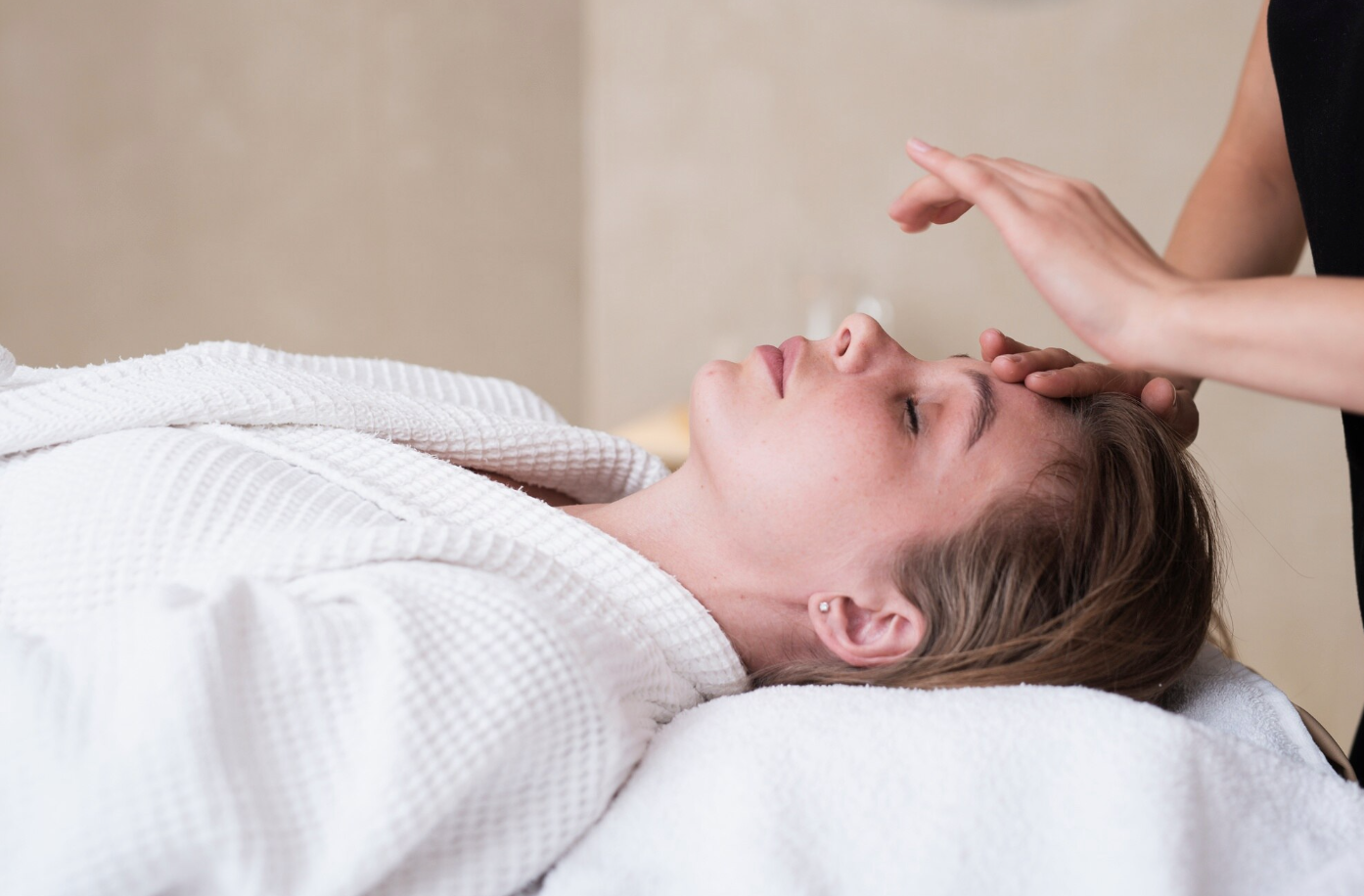
Imagine taking a cold shower that instantly makes you gasp, clearing away morning grogginess in seconds. Or stepping into a hot sauna after a long day, watching your muscles relax as your breathing slows down.
These two extremes—extreme cold and soothing heat—do much more than change your body temperature. They trigger a powerful biological mechanism that builds resilience from the inside out.
In science, this principle is called hormesis: the process where a mild, controlled physical stressor triggers adaptive, restorative responses inside your cells. Just as lifting weights creates micro-tears in muscle fibers to build strength, exposing your body to short bursts of thermal stress trains your cells to adapt, repair, and thrive.
Understanding how to strategically use hot and cold therapy gives you a natural tool to boost daily energy, accelerate muscle recovery, and sharpen your focus.
The Biological Power of Hormesis
Our modern environments are climate-controlled. We move from air-conditioned homes to heated cars, rarely forcing our bodies to work to maintain an internal temperature of $37^\circ\text{C}$ ($98.6^\circ\text{F}$).
While comfortable, this constant thermal neutrality leaves our physiological adaptation systems idle.
┌───────────────────────────────────────────────────────────┐
│              THERMAL ADAPTATION IN ACTION                 │
├─────────────────────────────┬─────────────────────────────┤
│         COLD THERAPY        │         HEAT THERAPY        │
├─────────────────────────────┼─────────────────────────────┤
│ • Activates Brown Fat (BAT) │ • Produces Heat Shock       │
│ • Spikes Norepinephrine     │   Proteins (HSPs)           │
│ • Sharpens Mental Focus     │ • Increases Blood Flow      │
│ • Reduces Acute Swelling    │ • Promotes Deep Relaxation  │
└─────────────────────────────┴─────────────────────────────┘
When you step outside your thermal comfort zone, your body mobilizes deep cellular defenses to bring your system back to equilibrium.
Cold Therapy: The Alertness and Metabolic Spark
Whether done through a cold shower, an ice bath, or plunge pools, deliberate cold exposure creates a fast physiological wake-up call.
1. The Dopamine and Norepinephrine Surge
Immersion in cool or cold water triggers a swift release of norepinephrine and dopamine in the brain. Norepinephrine sharpens attention and focus, while dopamine provides a steady, prolonged increase in mood and drive that can last for hours without a post-caffeine crash.
2. Brown Fat Activation and Metabolic Rate
Humans have two main types of fat: white fat (energy storage) and brown adipose tissue (BAT). Brown fat is packed with mitochondria and burns energy specifically to generate heat. Regular cold exposure stimulates brown fat activation, encouraging the body to burn fuel to maintain core temperature.
3. Vagal Stimulation
While cold water initially triggers a gasp reflex, consciously slowing your breath during cold exposure trains your parasympathetic nervous system (via the vagus nerve) to manage stress, helping you remain calm when faced with physical discomfort.
Heat Therapy: The Cellular Repair and Recovery Engine
While cold therapy stimulates and alerts, heat exposure through saunas, steam rooms, or warm baths focuses on recovery, circulation, and tissue repair.
1. Heat Shock Proteins (HSPs)
When your core body temperature rises, your cells synthesize specialized protective molecules known as Heat Shock Proteins (HSPs). HSPs repair misfolded or damaged proteins, protect against oxidative stress, and help maintain muscle integrity.
2. Cardiovascular Mimicry
Sitting in a hot sauna ($80^\circ\text{C}$–$90^\circ\text{C}$) raises your heart rate, dilates blood vessels, and boosts peripheral circulation—mirroring the cardiovascular dynamics of moderate-intensity exercise. This increased blood flow flushes metabolic waste out of tissues while delivering fresh oxygen and nutrients to tired muscles.
3. Deep Sleep Preparation
A hot bath or sauna 1 to 2 hours before bed artificially elevates your skin temperature. As you cool down afterward, your body’s core temperature drops—a key biological signal that tells your brain it’s time to fall into deep slow-wave sleep.
Hot vs. Cold: When to Use Which?
Choosing between hot and cold therapy depends on what your body needs at any given moment:
| Goal | Optimal Thermal Therapy | Why It Works |
| Morning Energy & Focus | Cold Exposure | Triggers a steady surge of norepinephrine and dopamine. |
| Post-Workout Recovery (Strength) | Heat Exposure | Promotes circulation without dampening muscle growth signals. |
| Acute Joint/Injury Pain | Cold Therapy | Numbs local pain receptors and reduces temporary fluid accumulation. |
| Evening Wind-Down & Sleep | Heat Therapy | Initiates the core temperature drop needed for deep sleep. |
Note on Exercise: While cold plunges are great for reducing soreness, avoid ice baths immediately following heavy strength-training sessions if muscle building is your primary goal. Cold exposure directly after lifting can blunt the inflammation signal needed for muscle hypertrophy.
Beginner-Friendly Protocols You Can Try Today
You don’t need fancy equipment or a commercial sauna to start benefiting from thermal stress. Here are two simple ways to begin at home:
The Morning 30-Second Cold Finish
-
Take your standard warm shower.
-
During the final 30 seconds, turn the temperature dial down to cold.
-
Focus on taking slow, steady exhales through your mouth to master the initial gasp reflex.
-
Gradually build up to 1–2 minutes over time.
The Evening Contrast Bath or Shower
-
Spend 3 minutes under warm/hot water to relax muscles and expand blood vessels.
-
Switch to cool water for 30–60 seconds to contract vessels.
-
Repeat 3 times, always ending on cool water if doing this in the morning, or warm water if preparing for bed.


What 10 Minutes of Walking Immediately After Meals Does to Your Blood Sugar?

The 60-Second Reset #01: A 10-Second Fix for Screen-Strained Eyes

Hot vs Cold Therapy: Harnessing Thermal Stress for Metabolic and Mental Resilience

The Vagus Nerve & Nervous System Regulation: Taming the Unseen Stress Response

The 50+ Turning Point: Why Midlife is Ground Zero for Long-Term Vitality

What’s One Piece of Health Advice That Actually Worked for You?

Can Small Sleep Changes Improve Mental Sharpness? Here’s What Researchers Are Learning

The Optical Dilation Trick: How Expanding Your Vision Resets Desk Eye Strain and Anxiety
The Vagus Nerve & Nervous System Regulation: Taming the Unseen Stress Response
Hot vs Cold Therapy: Harnessing Thermal Stress for Metabolic and Mental Resilience
-

 Fitness3 months ago
Unexpected Health Habit: Not a Diet or Supplement – Just One Everyday Habit Worth Noticing
-
 Health4 months ago
What Your Hands Quietly Reveal About Your Digestion (And How To Use It)
-
 Fitness4 months ago
5 Health Myths Most Adults Still Believe And What Actually Matters Instead
-

 Health3 months ago
Have You Ever Wondered Why Homemade Meals Rarely Taste the Same?
-
 Fitness4 months ago
Experts Reveal: The 1-Minute Routine That Improves Digestion Instantly
-
 Health3 months ago
“Lazy Meal Prep”: The easier way people are actually sticking to healthy eating
-
 Health4 months ago
You Slept 8 Hours… So Why Do You Still Feel Exhausted?
-
 Health2 months ago
How Many Steps a Day Actually Matter for Longevity – 5K or 15K?