
Fitness
7 Most Effective Exercises You Can Do at Home—No Equipment Needed
This article outlines seven effective bodyweight exercises that can be performed at home without any equipment.

Staying fit doesn’t require a fancy gym membership or expensive equipment. You can achieve a fantastic workout right in your living room with a little creativity and dedication. Here are seven highly effective exercises that you can do at home, all without needing any special gear:
- Bodyweight Squats:
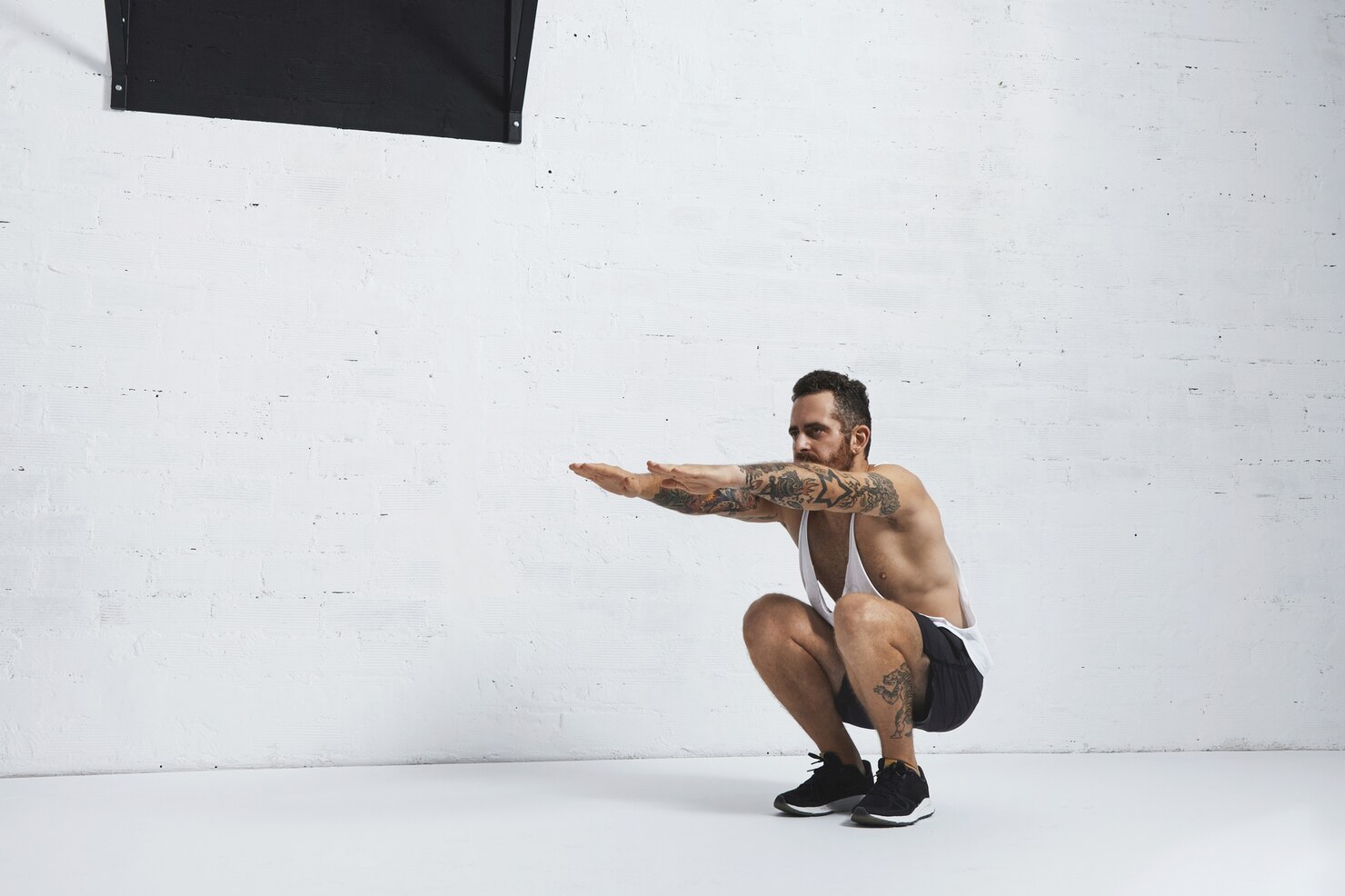
- How-to: Stand with your feet shoulder-width apart, toes slightly turned out. Lower your body as if sitting back in a chair, keeping your back straight and core engaged. Push through your heels to return to the starting position.
- Benefits: Strengthens legs, glutes, and core. Improves balance and coordination.
- Push-ups:
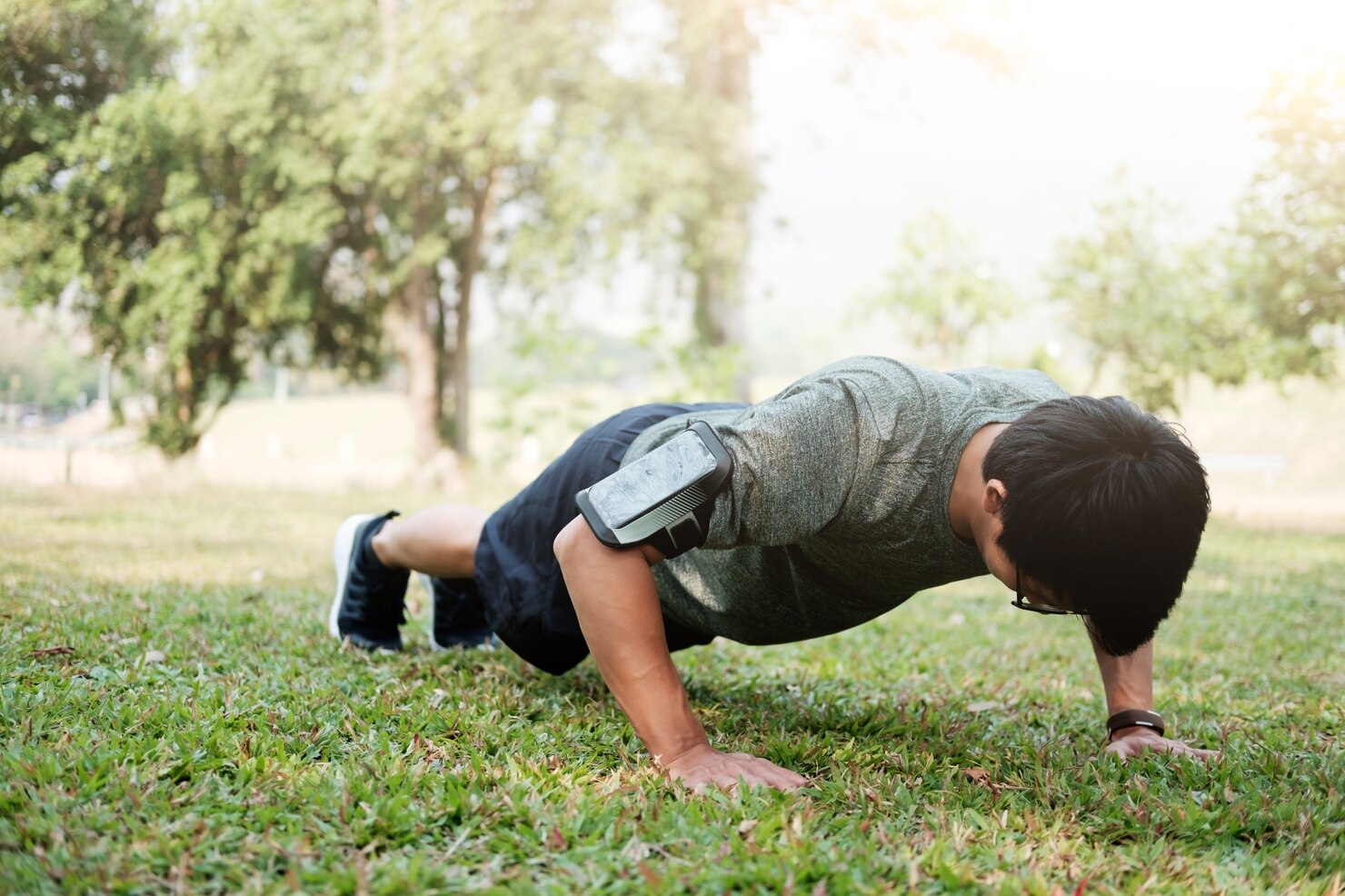
- How-to: Start in a plank position with your hands slightly wider than shoulder-width apart. Lower your body towards the ground, keeping your elbows close to your body. Push back up to the starting position.
- Benefits: Builds upper body strength, including chest, shoulders, and triceps. Improves core stability.
- Plank:

- How-to: Start in a push-up position, but rest on your forearms instead of your hands. Keep your body in a straight line from head to heels, engaging your core. Hold this position for as long as possible.
- Benefits: Strengthens core muscles, improves posture, and enhances stability.
- Crunches:
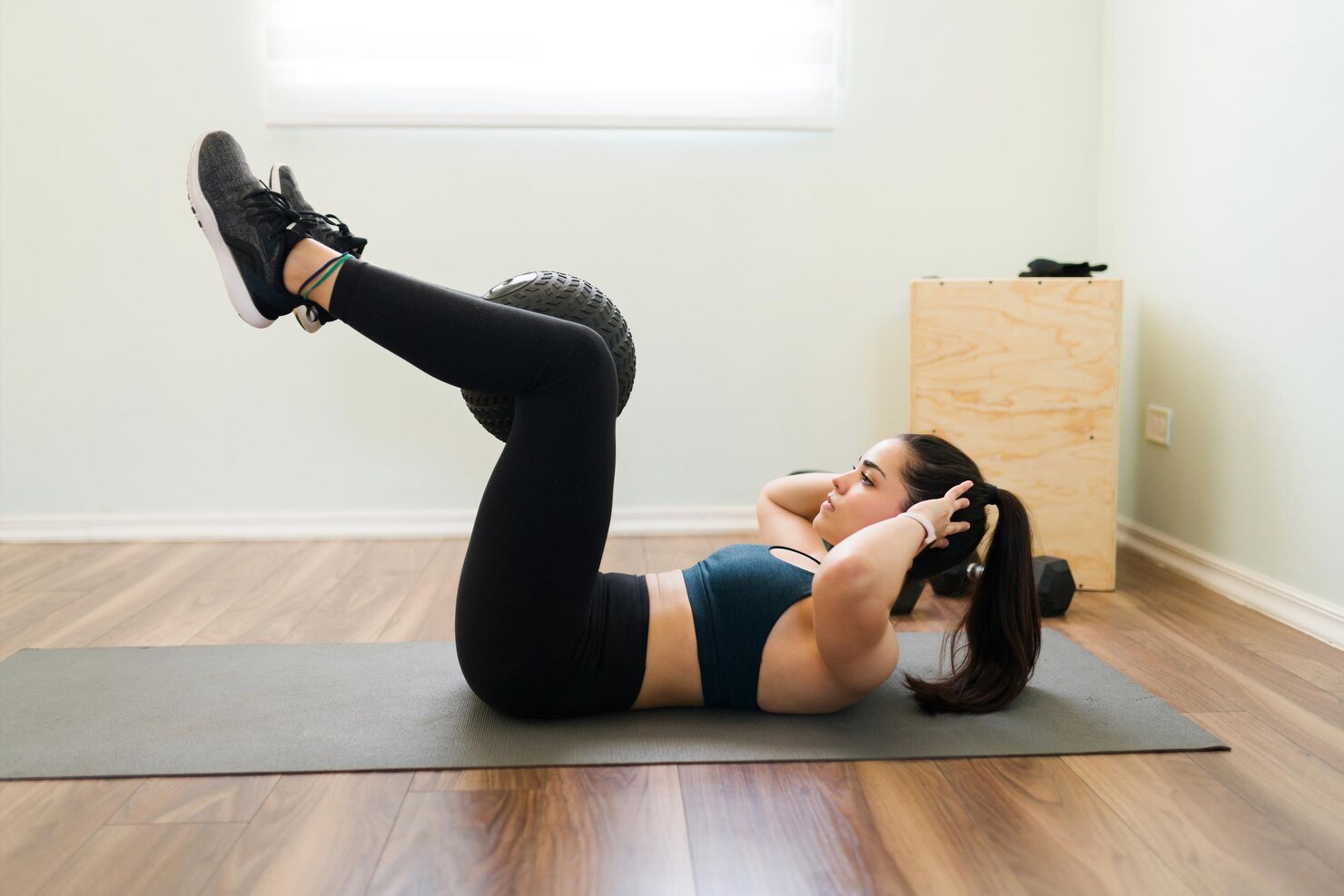
- How-to: Lie on your back with your knees bent and feet flat on the floor. Place your hands behind your head and gently pull your upper body towards your knees, engaging your abdominal muscles.
- Benefits: Strengthens abdominal muscles, improves core stability, and enhances spinal flexibility.
- Lunges:

- How-to: Stand with your feet hip-width apart. Step forward with one leg, bending both knees to 90 degrees. Push off your front foot to return to the starting position and repeat with the other leg.
- Benefits: Strengthens legs and glutes, improves balance and coordination, and increases flexibility.
- Glute Bridges:
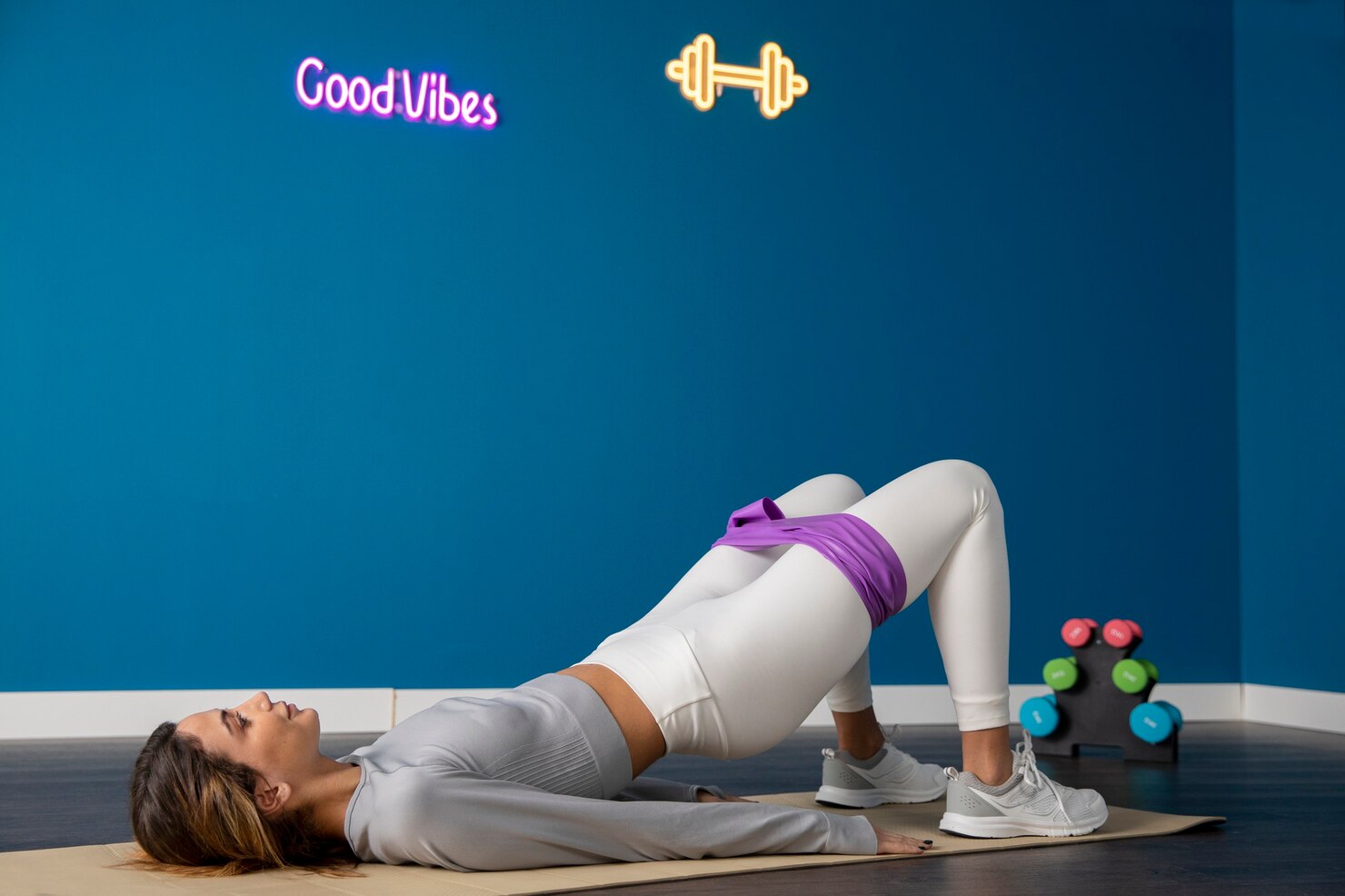
- How-to: Lie on your back with your knees bent and feet flat on the floor. Lift your hips off the ground, squeezing your glutes. Hold for a few seconds, then slowly lower back down.
- Benefits: Strengthens glutes and hamstrings, improves core stability, and enhances lower back health.
- Supermans:
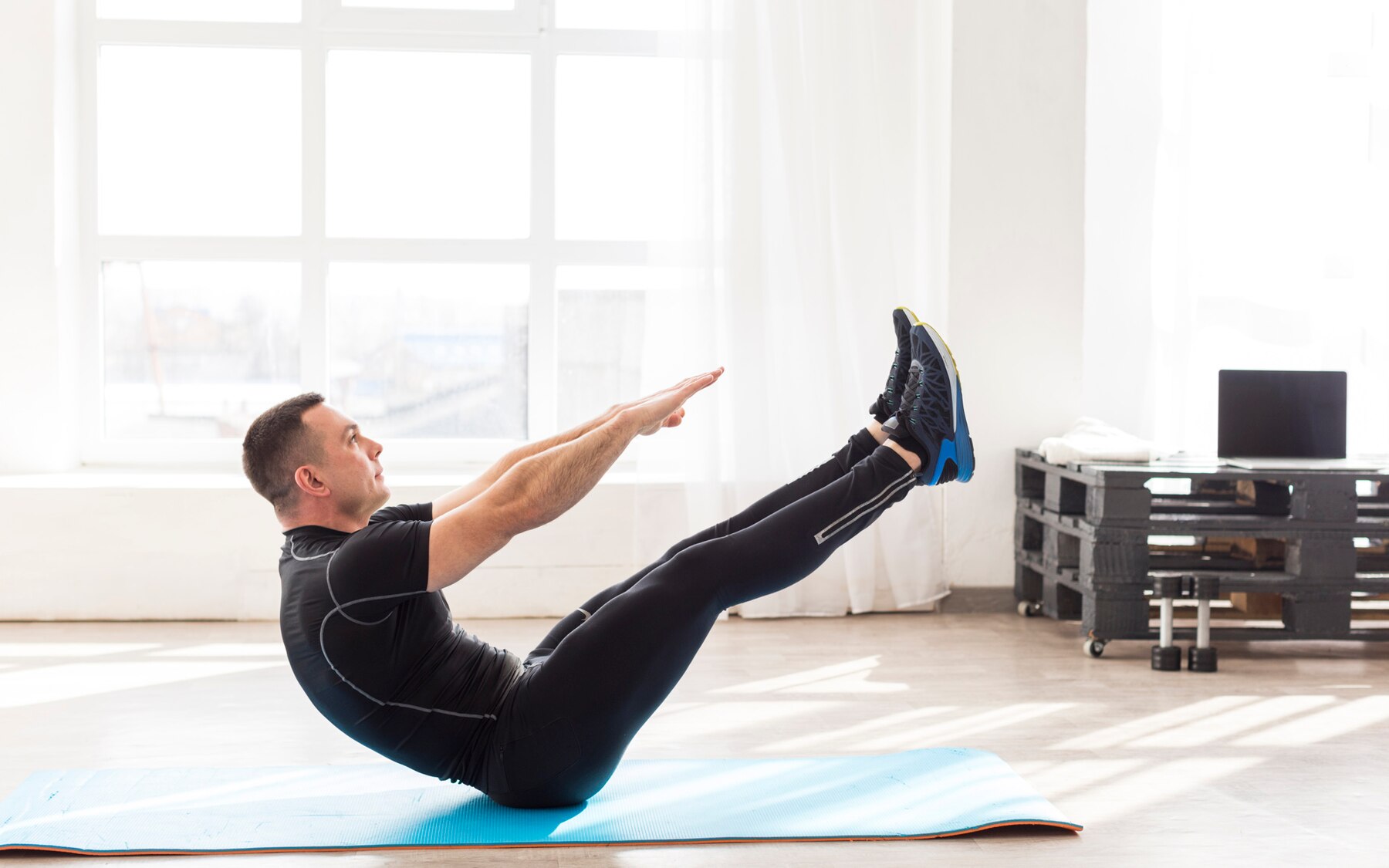
- How-to: Lie face down on the floor with your arms extended overhead. Simultaneously lift your arms, legs, and chest off the ground, holding for a few seconds. Lower back down to the starting position.
- Benefits: Strengthens back muscles, improves core stability, and enhances spinal flexibility.
Creating a Home Workout Routine
- Warm-up: Begin each workout with a 5-10 minute warm-up, such as light cardio (jumping jacks, high knees) and dynamic stretches (arm circles, leg swings).
- Cool-down: End each workout with 5-10 minutes of static stretches (holding each stretch for 30 seconds) to improve flexibility and reduce muscle soreness.
- Consistency is Key: Aim for at least 30 minutes of exercise most days of the week.
- Listen to Your Body: Rest when needed and don’t push yourself too hard, especially when starting.
- Make it Fun: Put on your favorite music, find a workout buddy, or try a new fitness app to keep you motivated.
Fitness
What 10 Minutes of Walking Immediately After Meals Does to Your Blood Sugar?
Blunting that spike doesn’t require intense cardio or an hour at the gym. A simple 10-minute walk right after eating changes everything.
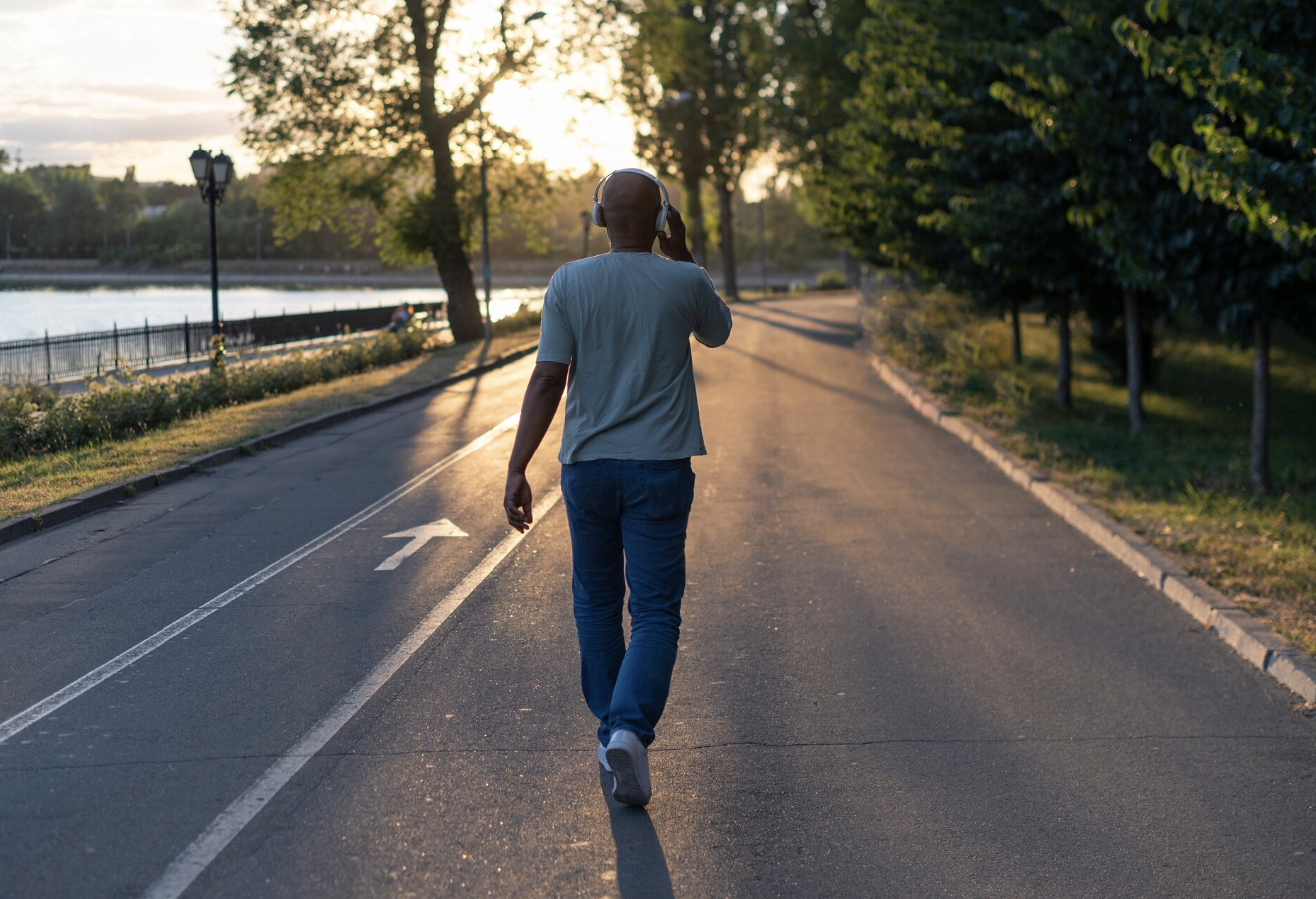
You finish lunch, clean up your plate, and sit right back down at your desk or collapse onto the couch. Within an hour, a wave of heaviness hits, leaving you sluggish and hunting for an afternoon snack.
This post-meal slump isn’t just about digestion—it’s driven by a sudden spike in your blood sugar. Luckily, blunting that spike doesn’t require intense cardio or an hour at the gym. A simple 10-minute walk right after eating changes everything.
“I used to get so sleepy after lunch that I could barely keep my eyes open during afternoon meetings. Taking a quick 10-minute stroll around the block sounded too simple to work, but my energy hasn’t crashed once since I started.” — Rachel Vance, 41, Accountant
1. Your Muscles Act Like “Glucose Sponges”
When you digest food, your body breaks carbohydrates down into glucose, which enters your bloodstream. Normally, your pancreas has to release a flood of insulin to move that sugar out of your blood and into your cells.
When you contract your leg muscles by walking, those muscles soak up glucose directly from your blood for instant fuel—without needing extra insulin. This mechanism keeps your blood sugar curve smooth and flat instead of sharp and elevated.
2. You Stop the “Spike-and-Crash” Cycle
Sitting still after a heavy meal allows glucose to pool in your bloodstream, creating a steep peak followed by a dramatic drop. That sudden crash is what triggers intense cravings, brain fog, and irritability around 3 PM.
Moving right away keeps your circulation active, spreading out energy delivery so you stay alert without the sudden drop.
“My doctor recommended a short post-meal walk to manage my sugar levels. It takes almost no effort, but my daily energy is noticeably more consistent.” — Arthur Pendelton, 62, Retired Administrator
3. How to Make the 10-Minute Habit Stick
-
Timing beats intensity: You don’t need to power-walk or break a sweat. A casual, easy-paced stroll works perfectly, as long as you start within 15–20 minutes of finishing your meal.
-
Keep it flexible: Bad weather? Pace around your living room, walk up and down a hallway, or tidy up the kitchen. Any light movement counts.
-
Anchor it to lunch: Make it a rule that your workday break ends with a brief 10-minute loop outside before you sit back down at your computer.
Fitness
When Was the Last Time You Gave Your Brain Something New to Solve?
We wake up, answer messages, work through familiar routines, and make many of the same decisions we’ve made before.

Fitness
Why So Many People Wake Up Tired — Even After a Full Night’s Sleep
Ever wake up after what should have been a good night’s sleep… only to feel like you could go right back to bed?


What 10 Minutes of Walking Immediately After Meals Does to Your Blood Sugar?

The 60-Second Reset #01: A 10-Second Fix for Screen-Strained Eyes

Hot vs Cold Therapy: Harnessing Thermal Stress for Metabolic and Mental Resilience

The Vagus Nerve & Nervous System Regulation: Taming the Unseen Stress Response

The 50+ Turning Point: Why Midlife is Ground Zero for Long-Term Vitality

What’s One Piece of Health Advice That Actually Worked for You?

Can Small Sleep Changes Improve Mental Sharpness? Here’s What Researchers Are Learning

The Optical Dilation Trick: How Expanding Your Vision Resets Desk Eye Strain and Anxiety
The Vagus Nerve & Nervous System Regulation: Taming the Unseen Stress Response
Hot vs Cold Therapy: Harnessing Thermal Stress for Metabolic and Mental Resilience
-

 Fitness3 months ago
Unexpected Health Habit: Not a Diet or Supplement – Just One Everyday Habit Worth Noticing
-
 Health4 months ago
What Your Hands Quietly Reveal About Your Digestion (And How To Use It)
-
 Fitness4 months ago
5 Health Myths Most Adults Still Believe And What Actually Matters Instead
-

 Health3 months ago
Have You Ever Wondered Why Homemade Meals Rarely Taste the Same?
-
 Fitness4 months ago
Experts Reveal: The 1-Minute Routine That Improves Digestion Instantly
-
 Health3 months ago
“Lazy Meal Prep”: The easier way people are actually sticking to healthy eating
-
 Health4 months ago
You Slept 8 Hours… So Why Do You Still Feel Exhausted?
-
 Health2 months ago
How Many Steps a Day Actually Matter for Longevity – 5K or 15K?