
Fitness
Balancing Health Benefits of Fitness With Potential Risks

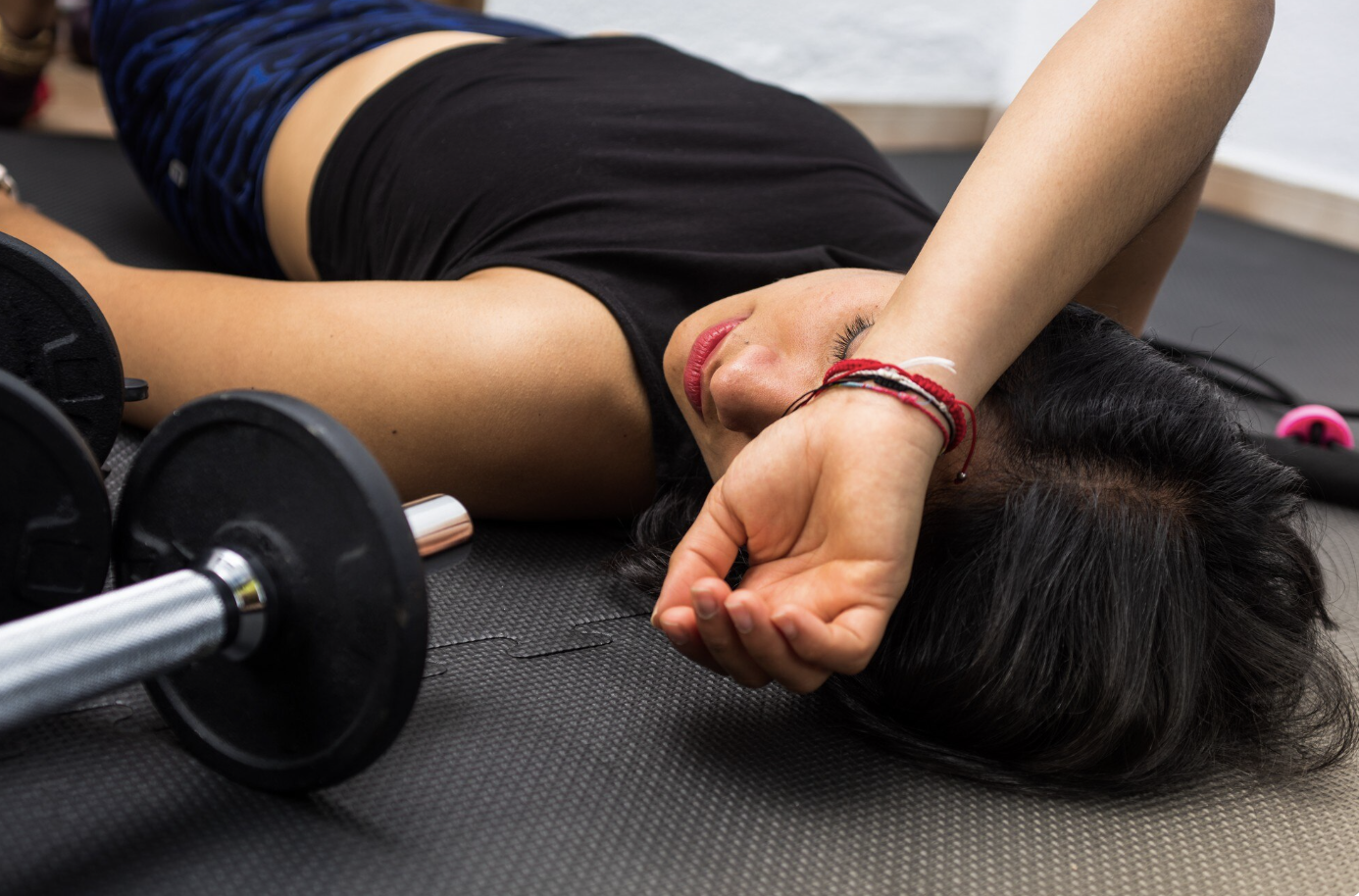
It’s an ironic reality that exercise, a crucial component for good health and longevity, can also pose the risk of harm. According to the National Safety Council, approximately 3.6 million people sought treatment in emergency departments in 2022 for injuries related to sports and recreational activities. A notable portion of these visits, totaling 445,642, was attributed to injuries from exercise and exercise equipment.
Whether you are embarking on a new fitness journey or reestablishing a routine, preventing injuries requires awareness and caution, as emphasized by experts in the field. One common mistake is doing too much too soon when initiating a new exercise regimen, leading to potential injuries or premature quitting.
It’s necessary to view exercise as a long game rather than adopting an all-or-nothing mentality. Remember that fitness is a lifestyle – it’s a marathon, not a sprint. Incorporating a little exercise into daily life can yield significant benefits over time, promoting a sustainable and enjoyable fitness routine.
Using proper form during exercise is critical, whether utilizing gym equipment or participating in activities like running or cycling. Good form takes precedence over speed, weight, or strength. Improper form not only diminishes the workout’s effectiveness but can also strain muscles and ligaments, leading to potential injuries.
Common Form Mistakes and Corrections

One prevalent example of poor form is leaning on handrails during treadmill or elliptical workouts. Don’t rely on handrails for support – adjust the pace or incline if fatigued. Additionally, proper bike setup is crucial in cycling to prevent knee or lower back pain.
As individuals age, their bodies may require adjustments in exercise form. Seeking professional guidance, such as a personal trainer or physical therapist, becomes essential to ensure proper form and minimize the risk of injuries.
Overtraining, characterized by repetitive motions, can lead to fatigue, increased susceptibility to injuries, and a plateau in fitness progress. Incorporate variety into workouts, try new machines, join group exercise classes, and integrate strength training exercises to enhance overall fitness.
A gradual increase in workout intensity or duration, such as a 10% increment per week, is one of the best ways to progress your workouts. Avoiding simultaneous boosts in both intensity and duration helps mitigate the risk of injuries. Starting slow and gradually building a routine ensures a sustainable and comfortable approach to regular exercise.
In conclusion, the goal of regular exercise extends beyond physical health to encompass overall well-being. Herrington emphasizes the importance of choosing exercises that bring joy, incorporating core-strengthening routines, and seeking professional guidance when needed. The ultimate objective is to move with comfort and ease throughout life, making exercise a lifelong companion in the journey to a healthy and fulfilling lifestyle.
How do you mitigate risks with benefits when exercising? Share your thoughts in the comments below.
Fitness
What 10 Minutes of Walking Immediately After Meals Does to Your Blood Sugar?
Blunting that spike doesn’t require intense cardio or an hour at the gym. A simple 10-minute walk right after eating changes everything.

You finish lunch, clean up your plate, and sit right back down at your desk or collapse onto the couch. Within an hour, a wave of heaviness hits, leaving you sluggish and hunting for an afternoon snack.
This post-meal slump isn’t just about digestion—it’s driven by a sudden spike in your blood sugar. Luckily, blunting that spike doesn’t require intense cardio or an hour at the gym. A simple 10-minute walk right after eating changes everything.
“I used to get so sleepy after lunch that I could barely keep my eyes open during afternoon meetings. Taking a quick 10-minute stroll around the block sounded too simple to work, but my energy hasn’t crashed once since I started.” — Rachel Vance, 41, Accountant
1. Your Muscles Act Like “Glucose Sponges”
When you digest food, your body breaks carbohydrates down into glucose, which enters your bloodstream. Normally, your pancreas has to release a flood of insulin to move that sugar out of your blood and into your cells.
When you contract your leg muscles by walking, those muscles soak up glucose directly from your blood for instant fuel—without needing extra insulin. This mechanism keeps your blood sugar curve smooth and flat instead of sharp and elevated.
2. You Stop the “Spike-and-Crash” Cycle
Sitting still after a heavy meal allows glucose to pool in your bloodstream, creating a steep peak followed by a dramatic drop. That sudden crash is what triggers intense cravings, brain fog, and irritability around 3 PM.
Moving right away keeps your circulation active, spreading out energy delivery so you stay alert without the sudden drop.
“My doctor recommended a short post-meal walk to manage my sugar levels. It takes almost no effort, but my daily energy is noticeably more consistent.” — Arthur Pendelton, 62, Retired Administrator
3. How to Make the 10-Minute Habit Stick
-
Timing beats intensity: You don’t need to power-walk or break a sweat. A casual, easy-paced stroll works perfectly, as long as you start within 15–20 minutes of finishing your meal.
-
Keep it flexible: Bad weather? Pace around your living room, walk up and down a hallway, or tidy up the kitchen. Any light movement counts.
-
Anchor it to lunch: Make it a rule that your workday break ends with a brief 10-minute loop outside before you sit back down at your computer.
Fitness
When Was the Last Time You Gave Your Brain Something New to Solve?
We wake up, answer messages, work through familiar routines, and make many of the same decisions we’ve made before.

Fitness
Why So Many People Wake Up Tired — Even After a Full Night’s Sleep
Ever wake up after what should have been a good night’s sleep… only to feel like you could go right back to bed?


What 10 Minutes of Walking Immediately After Meals Does to Your Blood Sugar?

The 60-Second Reset #01: A 10-Second Fix for Screen-Strained Eyes

Hot vs Cold Therapy: Harnessing Thermal Stress for Metabolic and Mental Resilience

The Vagus Nerve & Nervous System Regulation: Taming the Unseen Stress Response

The 50+ Turning Point: Why Midlife is Ground Zero for Long-Term Vitality

What’s One Piece of Health Advice That Actually Worked for You?

Can Small Sleep Changes Improve Mental Sharpness? Here’s What Researchers Are Learning

The Optical Dilation Trick: How Expanding Your Vision Resets Desk Eye Strain and Anxiety
The Vagus Nerve & Nervous System Regulation: Taming the Unseen Stress Response
Hot vs Cold Therapy: Harnessing Thermal Stress for Metabolic and Mental Resilience
-

 Fitness3 months ago
Unexpected Health Habit: Not a Diet or Supplement – Just One Everyday Habit Worth Noticing
-
 Health4 months ago
What Your Hands Quietly Reveal About Your Digestion (And How To Use It)
-
 Fitness4 months ago
5 Health Myths Most Adults Still Believe And What Actually Matters Instead
-

 Health3 months ago
Have You Ever Wondered Why Homemade Meals Rarely Taste the Same?
-
 Fitness4 months ago
Experts Reveal: The 1-Minute Routine That Improves Digestion Instantly
-
 Health3 months ago
“Lazy Meal Prep”: The easier way people are actually sticking to healthy eating
-
 Health4 months ago
You Slept 8 Hours… So Why Do You Still Feel Exhausted?
-
 Health2 months ago
How Many Steps a Day Actually Matter for Longevity – 5K or 15K?