
Fitness
Staying Fit While Avoiding Hypothermia This Winter

As winter blankets the outdoors with its chilly embrace, a significant portion of the population is gearing up for a fitness journey in the coming year. As individuals hit the roads, fields, and perhaps even lakes in pursuit of their health goals, a crucial question emerges: how cold is too cold for outdoor exercise?
While channeling your inner Rocky Balboa might be appealing, it becomes imperative to assess potential health risks and determine how to strike a balance between staying active and safeguarding against frosty weather.
Engaging in physical activity can intricately affect how we perceive body temperature. Recent research, involving partial immersion in cold water, demonstrated that exercise could blunt the shivering response and the ability to feel cold, even when the core temperature remains relatively constant. While this study focused on water immersion, it raises questions about the broader impact of exercise in cold air
Hypothermia: A Serious Consideration
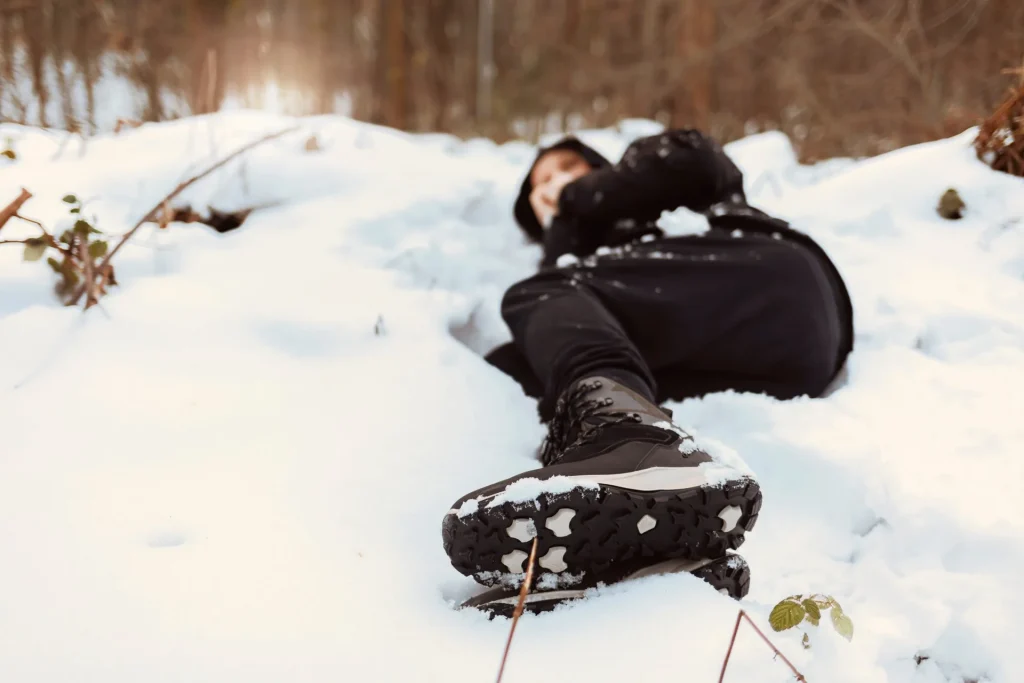
Hypothermia, defined as the condition when the body loses heat faster than it generates, leading to a drop in body temperature below 35°C, is a rare but potentially life-threatening concern. Unusually cold conditions, such as those experienced during the 2018 Boston Marathon, can affect even elite athletes. It’s very important to be aware and prepared to mitigate the risks associated with hypothermia.
The significance of preparation, especially for those not accustomed to cold weather, is paramount. Unplanned stops during a run, whether due to injury or exhaustion, can expose individuals to the cold without adequate protection. Dressing in layers, ensuring hands and head are covered, and understanding the risks of frostbite are essential precautions to consider before venturing into the winter terrain.
Recognizing Warning Signs and Taking Proactive Measures
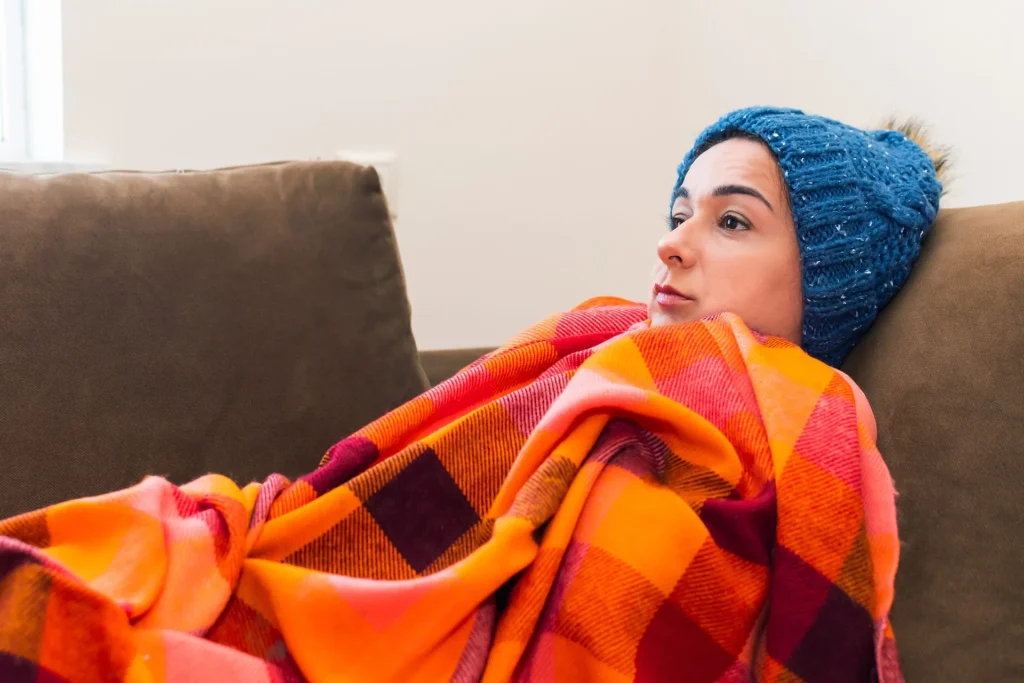
Recognizing the early signs of hypothermia is crucial for prompt intervention. Shivering uncontrollably, loss of coordination, slurred speech, or confusion are indicators that immediate action is needed. If this happens, get out of the cold, remove wet clothing, and avoid rapid warming methods. In moderate cases, consuming warm drinks and layering blankets can aid recovery, but in severe cases require immediate medical attention.
Preventing hypothermia is more effective than treating it. For those embarking on winter activities, bringing layers, informing a friend of their whereabouts, and exercising caution are paramount. This holds true for winter swimmers as well, who can benefit from a proper cold-water induction with expert guidance to ensure safe practices.
While the benefits of outdoor winter activities are abundant, ensuring safety through proper planning is paramount. Whether embarking on a run, winter swim, or other cold-weather exercises, prioritizing safety by embracing layers, sipping warm drinks, and staying informed about potential risks ensures that winter fitness endeavors are not only exhilarating but also conducted with due diligence.
Do you like exercising outdoors even when it’s cold out? Share your experiences in the comments below.
Fitness
What 10 Minutes of Walking Immediately After Meals Does to Your Blood Sugar?
Blunting that spike doesn’t require intense cardio or an hour at the gym. A simple 10-minute walk right after eating changes everything.
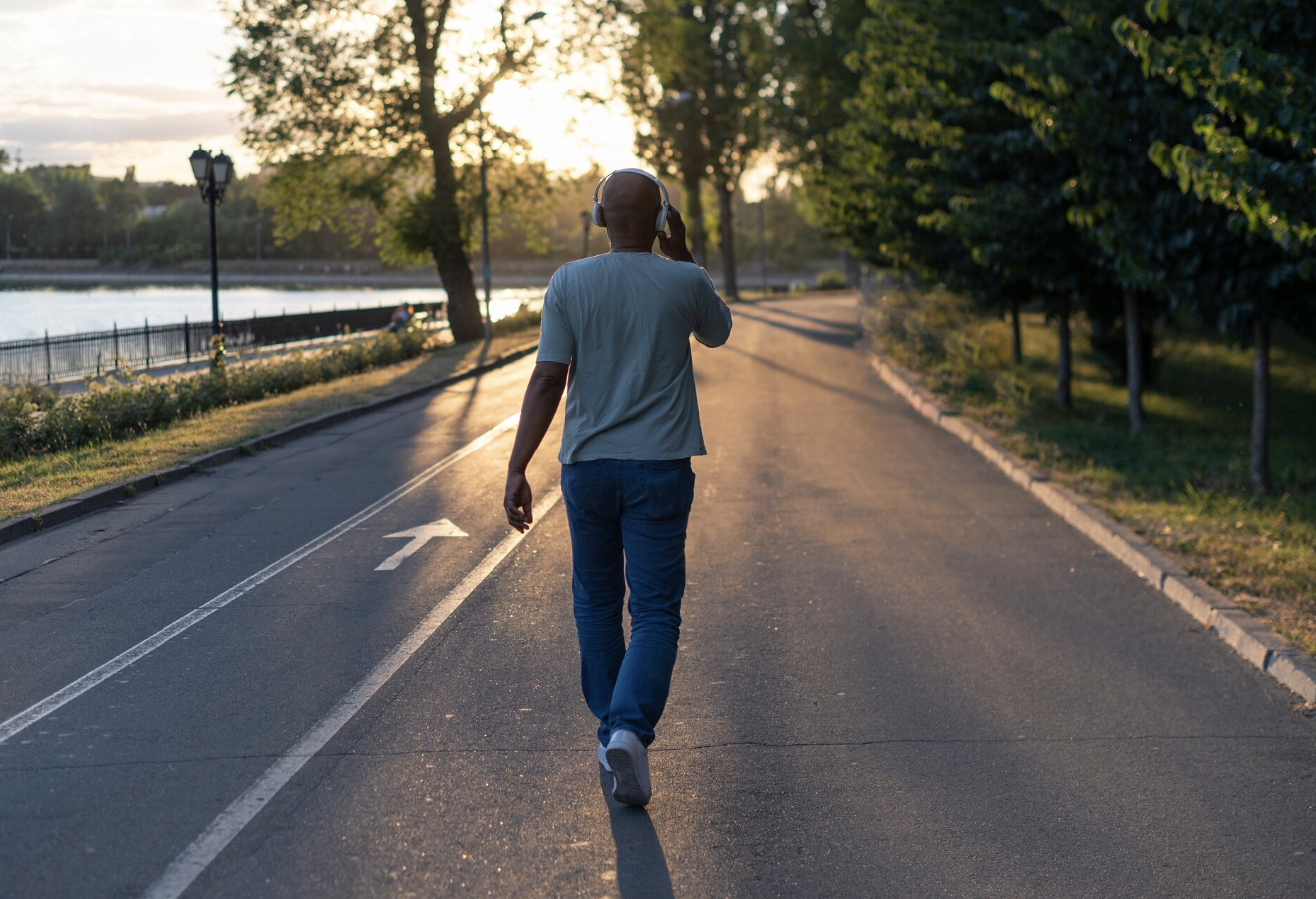
You finish lunch, clean up your plate, and sit right back down at your desk or collapse onto the couch. Within an hour, a wave of heaviness hits, leaving you sluggish and hunting for an afternoon snack.
This post-meal slump isn’t just about digestion—it’s driven by a sudden spike in your blood sugar. Luckily, blunting that spike doesn’t require intense cardio or an hour at the gym. A simple 10-minute walk right after eating changes everything.
“I used to get so sleepy after lunch that I could barely keep my eyes open during afternoon meetings. Taking a quick 10-minute stroll around the block sounded too simple to work, but my energy hasn’t crashed once since I started.” — Rachel Vance, 41, Accountant
1. Your Muscles Act Like “Glucose Sponges”
When you digest food, your body breaks carbohydrates down into glucose, which enters your bloodstream. Normally, your pancreas has to release a flood of insulin to move that sugar out of your blood and into your cells.
When you contract your leg muscles by walking, those muscles soak up glucose directly from your blood for instant fuel—without needing extra insulin. This mechanism keeps your blood sugar curve smooth and flat instead of sharp and elevated.
2. You Stop the “Spike-and-Crash” Cycle
Sitting still after a heavy meal allows glucose to pool in your bloodstream, creating a steep peak followed by a dramatic drop. That sudden crash is what triggers intense cravings, brain fog, and irritability around 3 PM.
Moving right away keeps your circulation active, spreading out energy delivery so you stay alert without the sudden drop.
“My doctor recommended a short post-meal walk to manage my sugar levels. It takes almost no effort, but my daily energy is noticeably more consistent.” — Arthur Pendelton, 62, Retired Administrator
3. How to Make the 10-Minute Habit Stick
-
Timing beats intensity: You don’t need to power-walk or break a sweat. A casual, easy-paced stroll works perfectly, as long as you start within 15–20 minutes of finishing your meal.
-
Keep it flexible: Bad weather? Pace around your living room, walk up and down a hallway, or tidy up the kitchen. Any light movement counts.
-
Anchor it to lunch: Make it a rule that your workday break ends with a brief 10-minute loop outside before you sit back down at your computer.
Fitness
When Was the Last Time You Gave Your Brain Something New to Solve?
We wake up, answer messages, work through familiar routines, and make many of the same decisions we’ve made before.

Fitness
Why So Many People Wake Up Tired — Even After a Full Night’s Sleep
Ever wake up after what should have been a good night’s sleep… only to feel like you could go right back to bed?


What 10 Minutes of Walking Immediately After Meals Does to Your Blood Sugar?

The 60-Second Reset #01: A 10-Second Fix for Screen-Strained Eyes

Hot vs Cold Therapy: Harnessing Thermal Stress for Metabolic and Mental Resilience

The Vagus Nerve & Nervous System Regulation: Taming the Unseen Stress Response

The 50+ Turning Point: Why Midlife is Ground Zero for Long-Term Vitality

What’s One Piece of Health Advice That Actually Worked for You?

Can Small Sleep Changes Improve Mental Sharpness? Here’s What Researchers Are Learning

The Optical Dilation Trick: How Expanding Your Vision Resets Desk Eye Strain and Anxiety
The Vagus Nerve & Nervous System Regulation: Taming the Unseen Stress Response
Hot vs Cold Therapy: Harnessing Thermal Stress for Metabolic and Mental Resilience
-

 Fitness3 months ago
Unexpected Health Habit: Not a Diet or Supplement – Just One Everyday Habit Worth Noticing
-
 Health4 months ago
What Your Hands Quietly Reveal About Your Digestion (And How To Use It)
-
 Fitness4 months ago
5 Health Myths Most Adults Still Believe And What Actually Matters Instead
-

 Health3 months ago
Have You Ever Wondered Why Homemade Meals Rarely Taste the Same?
-
 Fitness4 months ago
Experts Reveal: The 1-Minute Routine That Improves Digestion Instantly
-
 Health3 months ago
“Lazy Meal Prep”: The easier way people are actually sticking to healthy eating
-
 Health4 months ago
You Slept 8 Hours… So Why Do You Still Feel Exhausted?
-
 Health2 months ago
How Many Steps a Day Actually Matter for Longevity – 5K or 15K?