
Uncategorized
You Can Burn Fat And Build Muscle Simultaneously: Fact Or Fiction?
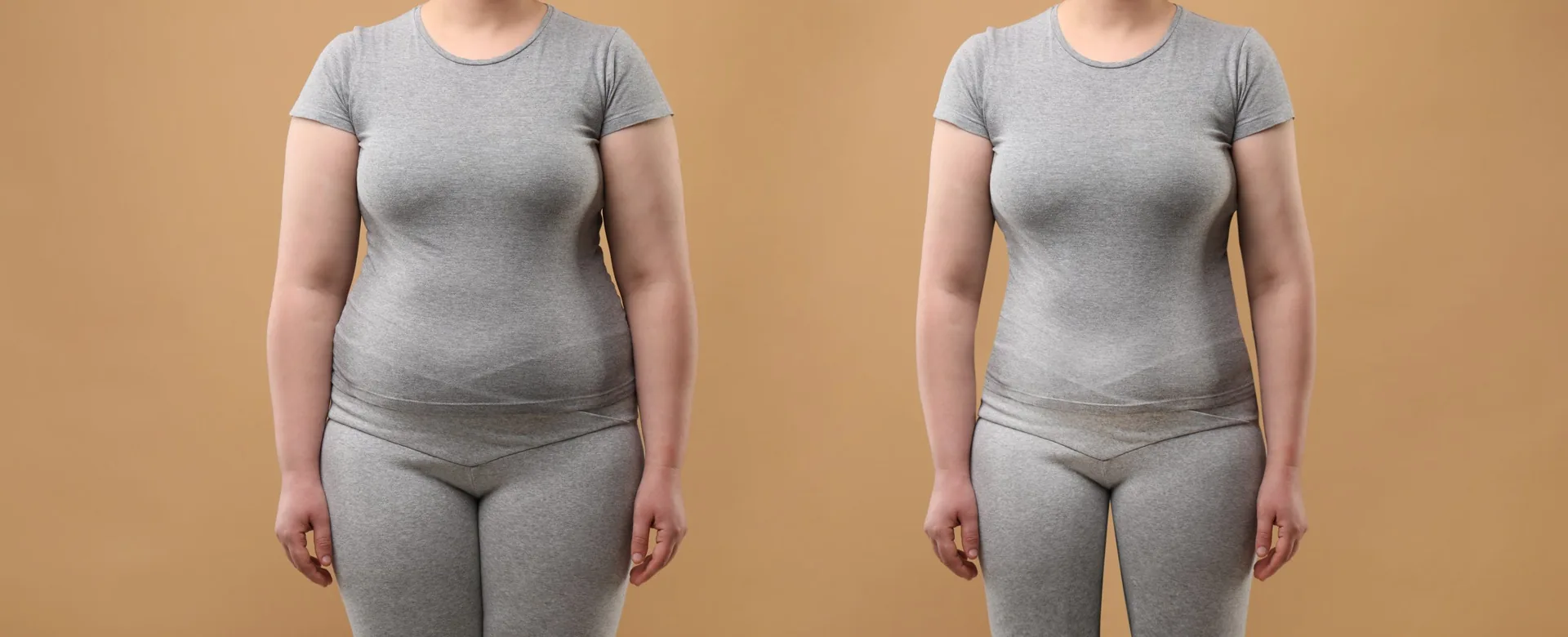
Some things in life are clear-cut, the answers are simple: yes or no, right or left, black or white without even a hint of grey.
But, then there are those questions whose answers come with caveats: “yes, if you are sure to,” “no, technically,” or “turn right, unless this or that is present, then turn left.”
Ah, such is life…and such is the case when building muscle and burning fat simultaneously.
Can it be done? YES! But, it doesn’t just happen, there’s a prescription, a recipe if you will, to achieve the perfect combination of fat burning and muscle building success.
So, if you’re looking to do more than lose weight, wanting a lean, trim physique, you of course want to burn fat and build muscle at the same time. And, here’s what you need to know to accomplish such a goal…
Body Recomposition

The process of burning fat and building muscle simultaneously is better known as body recomposition.
And, as you might guess, this approach to fitness focuses less on the number staring at you from your bathroom scale, and more on the actual composition of your body.
This is thought to be a more accurate judge of health too, as it looks at your percentage of body fat in relation to muscle mass, as opposed to solely considering your weight in relation to your height.
When seeking to lose weight, you most likely alter your diet and increase your time spent being physically active.
And, while this can improve the fit of your jeans, you may still find that, despite your efforts in the gym, you’re still not toning up or gaining muscle to achieve a trim, lean physique.
That’s where body recomposition comes in!
And, for many people, the formula for success here can be a head scratcher due to some old habits and math that just doesn’t seem to add up.
We’ve known for years that to lose fat we must consume fewer calories than we burn.
And, likewise, to build muscle, we must consume more calories than we burn.
So, with these equations in mind, burning fat and building muscle at the same time seem impossible.
But, when you adjust what you eat, when you eat, and how you train, you absolutely can change the composition of your body (body recomposition), effectively burning fat and building muscle together.
To get down to the basics of how you can effectively do this, let’s first look at these two concepts individually.
Burning Fat
In order to truly burn fat, your body needs to be in what’s known as a calorie deficit.
When you eat fewer calories and incorporate an increased amount of physical activity (generally cardiovascular exercise) into your daily/weekly routine, you can create a caloric deficit.
In this state, your body is forced to dig into its fat stores and use this for fuel. And, as this occurs regularly, you effectively burn the excess fat in your body, resulting in weight loss and a thinner physique.
But, a sole focus on burning fat can also shrink muscle mass.
Building Muscle
In order to build muscle, your body needs to be in what is known as a caloric surplus.
Here, you are consuming more calories than your body burns. And, as you workout diligently and regularly (generally resistance training exercises), these extra calories serve to provide your body with extra amounts of energy or fuel which it uses to repair and rebuild muscle tissue that is torn with exercise.
And, as your body repairs and rebuilds these muscles, your muscle mass increases.
Burning Fat And Building Muscle Simultaneously

If you’ve ever sought to lose weight or gain muscle, chances are you’re familiar with the two processes we listed separately above.
But, when you’re seeking a lean, toned body, those two processes must combine, and this means we must find a balance between both diet and exercise to truly recompose the body.
First, if you’ve solely focused on weight loss in the past, there are a few things that may seem a little different concerning your results with body recomposition:
You’ll want to shift your focus from the scale, potentially measuring progress by the use of skinfold calipers and by measuring your body circumference.
If you don’t have a lot of weight to lose in the first place, you may notice that your weight doesn’t change or that it actually increases.
You’ll also want to take note of gains in strength and how your clothes fit as opposed to a decrease in body weight.
Keep in mind, this isn’t a quick fix or a fad, body recomposition takes time. To lose fat or burn muscle individually (in a healthy manner), this already takes time, but combining these efforts can take even longer. Be consistent and know that nothing worth doing or having comes quickly or easily.
And now, let’s get down to how it’s done!
To build muscle and burn fat, changing your body composition, there are many factors that must align:
1- Nutrition Is Key
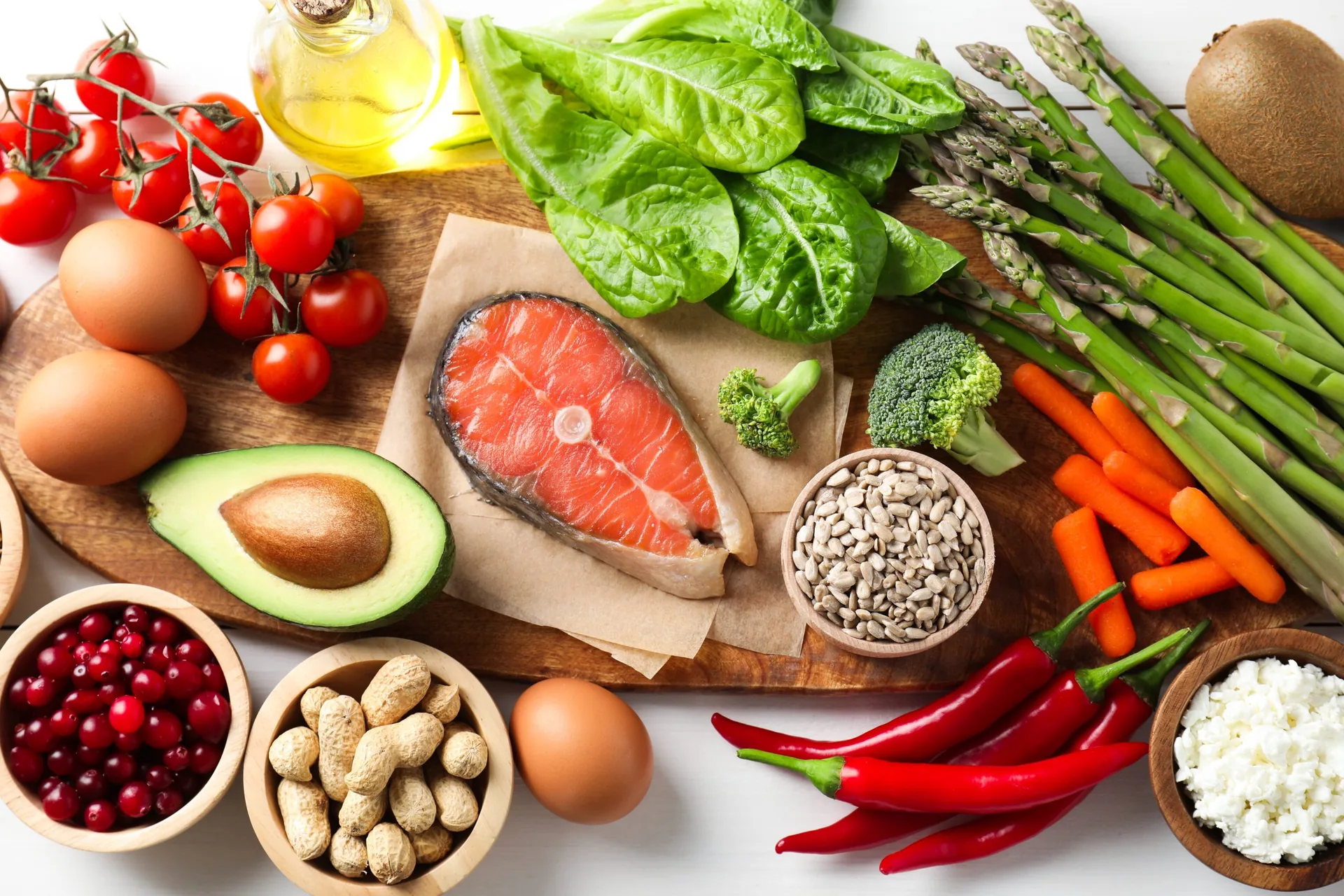
To gain muscle, we’re obviously going to address exercise, but gym time alone isn’t going to change the composition of your body.
As we mentioned earlier, burning fat requires a calorie deficit, but when building muscle at the same time, many suggest shooting for a “moderately aggressive caloric deficit.”
Too big of a calorie deficit can cause you to lose muscle mass, and too little of a calorie deficit can stall fat loss, so research shows that a calorie deficit of roughly 25% can allow your body to lose fat without sacrificing muscle.
And, most fitness experts agree, increased or adequate protein intake is vital when gaining muscle mass.
In other words, as you seek to cut calories, be sure that healthy proteins are among those calories you choose to fuel your body with.
Studies show that such increases in protein intake when seeking to recomposition your body provide needed satiety while also reducing body fat and preserving muscle tissue.
Increasing protein intake to roughly ⅔ of a gram of protein per pound of body weight is thought to be the sweet spot when improving body composition.
And, of course protein isn’t the only macronutrient that you should be concerned with when seeking to burn fat and build muscle.
Ditching processed foods, increasing fiber intake, and decreasing the amount of carbohydrates you eat are also needful when seeking to recomposition your body.
Think…
more whole foods
fewer sugary carbohydrates
more vegetables and plant foods
more protein
2- When To Eat
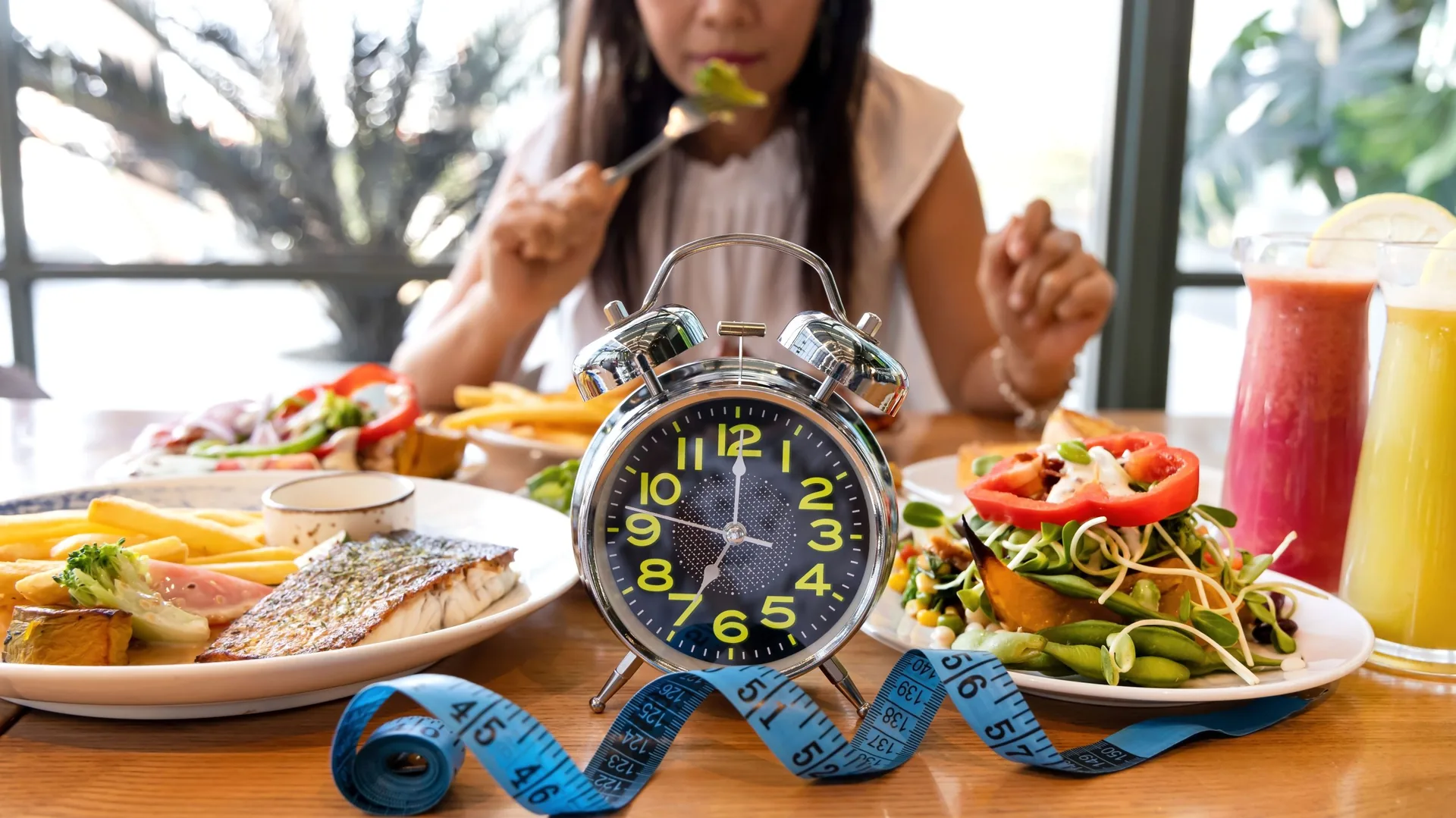
What you eat isn’t the only thing you should be concerned with when changing the composition of your body.
When you eat smaller meals more frequently throughout the day, studies show that this practice can effectively regulate blood sugar levels, prevent overeating, and increase muscle mass.
An ideal body recomposition meal or snack should contain protein, carbs, and fats. And, having meals and snacks prepped ahead of time can help you stick to your nutritional plan.
Some ideas for on-the-go options include:
Dried fruit with nuts and seeds
Nutritionally balanced and unprocessed energy bars
Ready-to-go or mixable protein shakes or beverages
3- Sleep

It’s impossible to change the composition of your body without proper sleep.
Your hormones are regulated through sleep.
Your muscles are repaired through sleep/rest.
Your workouts are more effective when you’ve had adequate sleep.
Your energy levels improve through sleep.
You can stave off hunger, sugar cravings, and instances of binge-eating when you get plenty of rest.
Seek to get 7-9 hours of restful sleep nightly to avoid undermining your body recomposition efforts.
4- Exercise

Obviously if you’re seeking to build muscle, you must exercise. But the type of exercise you do matters greatly when recompositioning.
When seeking to build muscle alongside your fat burning efforts, you must include strength training in your exercise regime.
Most experts suggest aiming for 2-3 days a week of strength training combined with 1-2 days per week of interval training.
And, how often you train isn’t the only ingredient in a recipe for results as the intensity in which you train makes all the difference.
In other words, you’ve gotta bring it!
Both focus and intensity are necessary to achieve simultaneous muscle growth and fat loss.
Effective methods of achieving this include alternating upper and lower body movements between sets as opposed to taking a rest break (or increasing focus avoiding too long of a rest break), high intensity interval training, as well as doing heavy compound training.
Try workouts with AMRAP circuits (as many reps as possible), as these force you to keep moving while bringing intensity and great challenge to your time spent working out.
Incorporate compound exercises using multiple major muscle groups, such as squats, deadlifts, and bench presses performed using heavy weights (appropriate to your growing abilities) to create great amounts of tension and muscle activation, resulting in whole body muscle growth.
Do high intensity interval training that alternates the use of low intensity rest periods with max effort cardio (such as sprints). Studies show that HIIT burns a greater amount of fat while increasing your metabolic rate over a period of 24 hours, increases sensitivity to insulin within your muscles, and it is better for preserving muscle mass than low intensity cardio.
Harvard research reveals one quick way to get six-pack abs
Turns out there’s a good reason countless crunches and boring sit-ups never got you the six-pack abs you wanted. It’s because they actually cripple a muscle deep in your core that acts like a kind of “switch” that turns off your “rectus abdominis” so it can’t contract properly. (the rectus abdominis is your six-pack muscle)
Worse, once your deep core shuts down, your nervous system sends a signal to accumulate “protective fat” on your belly. This is why it’s so hard to lose your gut.
US Military scientists accidentally stumbled on this weird link between the deep core, belly fat, and weak abs while studying soldiers suffering back pain caused by wearing heavy body armor.
But the breakthrough solution didn’t come until the Harvard Institute for Biologically Inspired Engineering revealed the powerful “Bio-Chemical” switch that literally switches your six-pack muscle on or off.
Once you learn to keep your abs muscles switched to the ON position you’ll be able to quickly lose your gut and build ripped, rock-hard six-pack abs.
Health
7 Foods That Make Men Better in the Bedroom

(3XHealth.com) – Men can lose their desire for sexual activity for a variety of reasons. Some common ones are fatigue, stress, depression, antidepressants, blood pressure meds, excessive alcohol use, drug abuse, and low testosterone levels.
Did you know that your desire for sex might be influenced by the food you eat? These are some foods that are sure to liven up a bedroom.
- Sunflower and Pumpkin Seeds
Consuming these wholesome seeds as a snack will raise your zinc levels. Zinc is one of the most crucial minerals for increasing testosterone levels and enhancing sperm quality and quantity.
Seeds contain nutrient-rich lipids that are also essential for optimal sexual function. A handful can be added to salads, trail mixes, or morning cereals.
- Maca
This superfood from Peru is known as “nature’s Viagra” because it enhances sex drive and sexual performance. B vitamins are also abundant in maca and can help reduce stress and increase energy. A spoonful can be added to morning soups, smoothies, or cereal.
- Meat
Beef and pigs contain high amounts of the amino acid L-carnitine, which may aid older men’s libido, sexual function, and testosterone levels. When L-carnitine is present, the body burns glycerides more readily as fuel, contributing to increased energy.
- Bananas
Bananas contain B vitamins necessary to boost energy production and lower stress levels. They also contain tryptophan, an amino acid required for synthesizing serotonin, our “feel-good” hormone.
Bananas are high in potassium and are used to make sex hormones, strengthen the heart, and increase libido. Bromelain, an enzyme in bananas, also enhances blood flow and libido.
- Cacao
Another well-known aphrodisiac is cacao, or raw chocolate, full of heart-healthy phenols and potent antioxidants. A strong sex drive correlates with a healthy heart; cacao can lower blood pressure and cholesterol.
The hormones released when you fall in love increase when you consume chocolate. Phenylethylamine, another substance found in cacao, raises dopamine levels, heightening desire emotions. Scoop up some cacao in smoothies, or indulge in premium dark chocolate.
- Raw Nuts
Rekindling the passion in your bedroom can be achieved by snacking on raw nuts. Nuts high in the amino acid L-arginine, such as cashews, almonds, hazelnuts, and Brazil nuts, stimulate the body’s production of nitric acid, which in turn increases the production of sex hormones and facilitates a harder erection and improved sexual performance.
Additionally, nuts are a great source of essential fatty acids, which are good fats for healthy male sexual function. Blend in some mixed crushed nuts for smoothies, salads, or muesli.
- Celery
Rekindling your sexual life can also be achieved by increasing the amount of celery in your diet. The pheromone androsterone, a naturally occurring aphrodisiac present in male sweat, can be elevated by celery.
Additionally, compounds found in celery can widen blood vessels, boost climax, and stimulate sex drive. Try this sex-boosting vegetable as a snack with nut butter or hummus or vegetable juice with celery.
So, if you want to add excitement to the bedroom, try incorporating these 7 foods to enhance your libido.
What other foods have you tried to help enhance your libido?
Copyright 2024. 3XHealth.com
Health
Choosing the Best Pickleball Shoes for You

Pickleball, a fast-growing sport that combines elements of tennis, badminton, and ping-pong, requires agility, speed, and precision. Unlike running, which mainly involves forward motion, pickleball demands quick, multidirectional movements. Therefore, having the right footwear is essential for optimal performance and injury prevention. In this comprehensive guide, we delve into the key features to look for in pickleball shoes and provide tips on finding the best pair for you.
Key Features to Look For in Pickleball Shoes

When selecting pickleball shoes, it’s important to focus on features that enhance support, comfort, and performance. Here are the essential attributes to consider:
Lateral Support
Lateral support is critical because pickleball involves frequent side-to-side movements. Shoes with robust lateral support help prevent ankle rolls and provide stability. Look for features like sturdy materials around the midfoot and reinforced sidewalls to ensure your feet are well-supported during quick directional changes.
Cushioning
Cushioning in the sole of the shoe is vital for absorbing impact and providing comfort during long games on hard courts. Shoes with memory foam or gel inserts are excellent for added cushioning. Proper cushioning reduces strain on the feet and joints, enhancing overall comfort and preventing injuries.
Grip
A good grip is essential for quick pivots, sudden stops, and explosive movements. Shoes with rubber soles and patterned treads offer excellent traction, preventing slips and enhancing agility. Deep grooves in the sole are particularly beneficial for indoor courts, while slightly less aggressive treads work well for outdoor surfaces.
Fit and Width Options
Ensuring a proper fit is crucial to prevent blisters and discomfort. Many pickleball shoes offer various width options, catering to those with wider feet. A snug yet comfortable fit around the ankle and midfoot provides stability without compromising movement. Pay attention to whether the shoes come in half sizes or different width options to find your perfect fit.
Breathability
Pickleball can be a vigorous activity, leading to sweaty feet. Shoes made from breathable materials, such as mesh, help keep your feet cool and dry. Breathability is important not only for comfort but also for preventing blisters and other foot issues.
Durability
Considering the demands of pickleball, you’ll want a shoe that can withstand constant wear and tear. Look for shoes with reinforced areas around the toe and heel, as these are common spots for excessive wear. Durable materials and high-quality construction can help extend the life of your shoes.
Tips for Finding the Right Pickleball Shoes

To maximize your performance and minimize the risk of injury, it’s important to choose shoes that provide adequate support tailored to pickleball’s unique demands. Here are some tips to ensure you find the best pickleball shoes:
Choose Shoes Made for the Court
Not all sneakers are suitable for pickleball. While running shoes may feel comfortable, they lack the necessary side support for pickleball’s lateral movements. Opt for shoes specifically designed for court sports like tennis or pickleball. These shoes offer reinforced sides and better stability, preventing injuries during quick side-to-side movements.
Consider Where You Play
The type of court you play on influences the kind of shoe you need. Indoor courts, which are typically smooth like basketball courts, require shoes with deeper grooves for enhanced traction. Outdoor courts have a rougher texture, so while traction is still important, it doesn’t need to be as pronounced. Choose shoes with soles designed for the specific type of court you frequently play on to ensure optimal grip and performance.
Test for Comfort and Fit
When trying on shoes, ensure they fit well right out of the box. There should be enough room in the toe box to wiggle your toes, and the heel should feel snug without slipping. Walk around and make some lateral movements to test the support and comfort. If you wear orthotics, bring them along to ensure they fit well in the shoes.
Replace Your Shoes Regularly
Over time, the materials in shoes degrade, leading to reduced support and increased risk of injury. Regular players should consider replacing their shoes every six months, while occasional players might only need to replace them annually. Pay attention to signs of wear, such as worn-out soles or diminished cushioning, and replace your shoes as needed to maintain support and performance.
Read Reviews and Seek Recommendations
Before making a purchase, read reviews from other pickleball players to get insights into the shoes’ performance, comfort, and durability. You can also seek recommendations from fellow players or coaches who have experience with different brands and models.
Selecting the right pickleball shoes is crucial for enhancing your performance and preventing injuries. By focusing on key features like lateral support, cushioning, grip, fit, breathability, and durability, you can find shoes that meet your needs and improve your game. Whether you’re a seasoned player or new to the sport, investing in quality pickleball shoes will help you enjoy the game to its fullest while staying comfortable and supported.
What pickleball shoes do you wear? Why? Leave your thoughts in the comments below.
Health
Paving the Way: The Great American Rail-Trail and the Future of Active Transportation

In Muncie, Indiana, Mike O’Neil’s bicycle repair shop stands as a testament to the transformative power of trails. What once began as a modest venture has evolved alongside the Cardinal Greenway trail, which stretches far beyond its origins, embodying the ambitious vision of the Great American Rail-Trail.
A Trailblazing Vision: Connecting Communities Across America

The Great American Rail-Trail represents more than just a network of walking and biking routes—it symbolizes connectivity, community, and the revitalization of former railroad tracks into vibrant pathways. O’Neil, along with trail advocates nationwide, envisions a continuous route spanning from Washington state to Washington, D.C., fostering recreation, transportation, and economic growth along its path.
Federal Support and the Path Forward
With the opening of grant applications under the Biden administration’s new program, trail advocates see a beacon of hope for advancing trail connectivity. While initial funding falls short of expectations, the commitment to prioritizing trail connections underscores the pivotal role of active transportation in enhancing quality of life and reducing greenhouse gas emissions.
Challenges and Opportunities in Trail Development

Despite progress, significant gaps persist along the proposed route of the Great American Rail-Trail, particularly in rural Western states. Trail advocates recognize the importance of reliable infrastructure in promoting outdoor recreation and tourism, especially in regions with rugged terrain and limited access to safe routes.
Community Impact and Economic Benefits
From Wyoming to Montana, the prospect of trail expansion holds promise for small towns and rural communities grappling with economic challenges. By linking trails to a national network, businesses, and residents anticipate a boost in tourism, job creation, and diversification of local economies, revitalizing regions dependent on recreation-based industries.
Navigating Legal and Financial Hurdles

Efforts to expand trails face legal and financial complexities, including property rights disputes and funding constraints. Despite opposition from some landowners, trail advocates remain committed to upholding the rights of all stakeholders while advancing trail development initiatives that benefit communities at large.
A Trail to the Future: Looking Ahead
As the Great American Rail-Trail inches closer to realization, stakeholders across the country are united in their vision of a more connected, sustainable future. While challenges lie ahead, including securing additional funding and addressing legal obstacles, the momentum behind trail development continues to grow, fueled by the collective efforts of trail advocates, policymakers, and communities.
In the heart of America’s heartland and beyond, the Great American Rail-Trail embodies the spirit of unity and collaboration. As trails expand, they transcend physical boundaries, fostering connections between people, places, and the natural world. With each mile laid, the promise of a more accessible, equitable future comes into sharper focus, paving the way for generations to come.
Would you welcome a coast-to-coast trail system? Leave your thoughts in the comments below.


What 10 Minutes of Walking Immediately After Meals Does to Your Blood Sugar?

The 60-Second Reset #01: A 10-Second Fix for Screen-Strained Eyes

Hot vs Cold Therapy: Harnessing Thermal Stress for Metabolic and Mental Resilience

The Vagus Nerve & Nervous System Regulation: Taming the Unseen Stress Response

The 50+ Turning Point: Why Midlife is Ground Zero for Long-Term Vitality

What’s One Piece of Health Advice That Actually Worked for You?

Can Small Sleep Changes Improve Mental Sharpness? Here’s What Researchers Are Learning

The Optical Dilation Trick: How Expanding Your Vision Resets Desk Eye Strain and Anxiety
The Vagus Nerve & Nervous System Regulation: Taming the Unseen Stress Response
Hot vs Cold Therapy: Harnessing Thermal Stress for Metabolic and Mental Resilience
-

 Fitness3 months ago
Unexpected Health Habit: Not a Diet or Supplement – Just One Everyday Habit Worth Noticing
-
 Health4 months ago
What Your Hands Quietly Reveal About Your Digestion (And How To Use It)
-
 Fitness4 months ago
5 Health Myths Most Adults Still Believe And What Actually Matters Instead
-

 Health3 months ago
Have You Ever Wondered Why Homemade Meals Rarely Taste the Same?
-
 Fitness4 months ago
Experts Reveal: The 1-Minute Routine That Improves Digestion Instantly
-
 Health3 months ago
“Lazy Meal Prep”: The easier way people are actually sticking to healthy eating
-
 Health4 months ago
You Slept 8 Hours… So Why Do You Still Feel Exhausted?
-
 Health2 months ago
How Many Steps a Day Actually Matter for Longevity – 5K or 15K?