
Fitness
The 2,000-Year-Old Remedy That Actually Works
Honey, a remedy used for over 2,000 years, is more than just a sweetener—it’s a scientifically validated natural medicine.
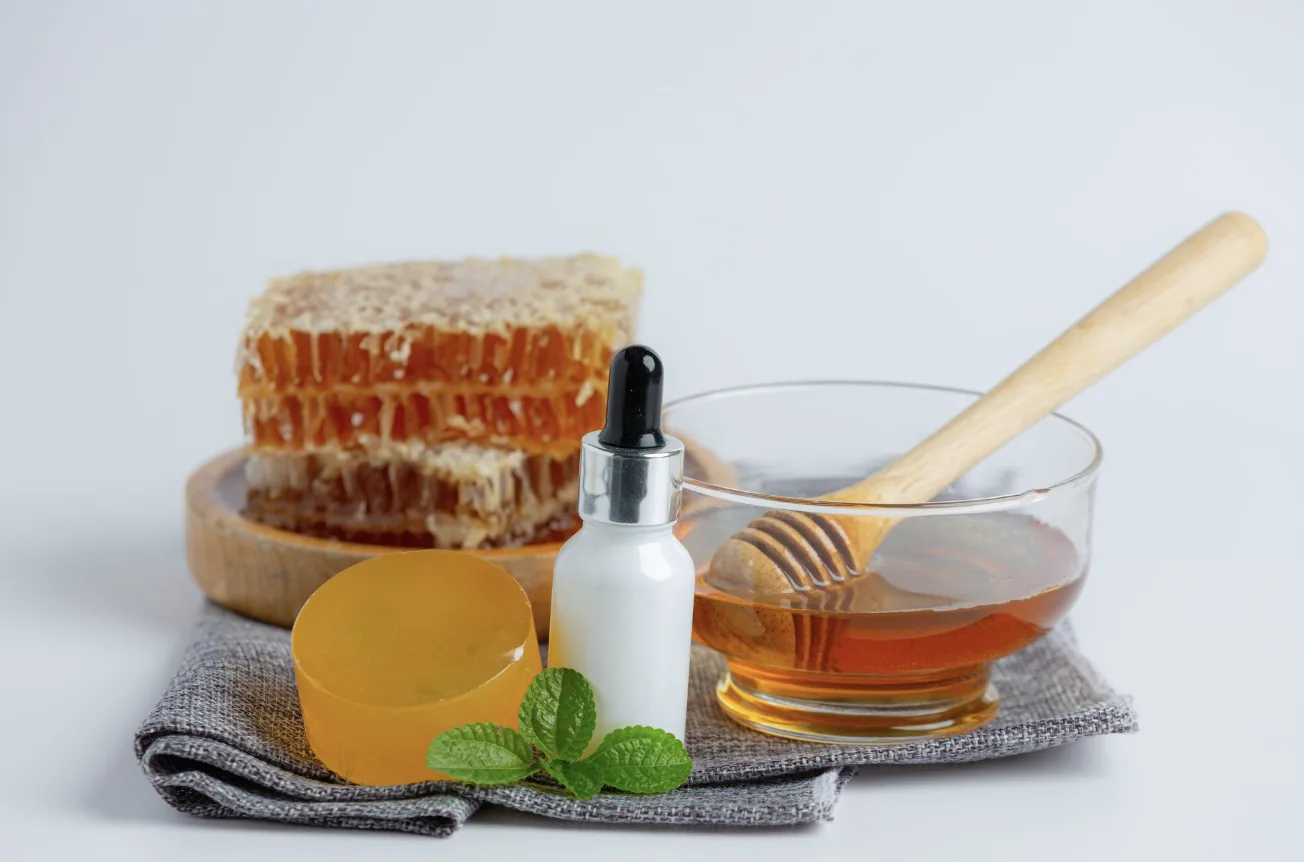
When you hear the phrase “2,000-year-old remedy,” it’s easy to picture something outdated or even superstitious. After all, modern medicine has advanced so much—why look back?
But here’s the surprising truth: some of the oldest remedies in human history are being validated today by modern science. One of them has been used for over two millennia across different cultures, and researchers are now saying—it really works.
Let’s explore the fascinating bridge between ancient wisdom and modern labs.
The Remedy in Question: Honey
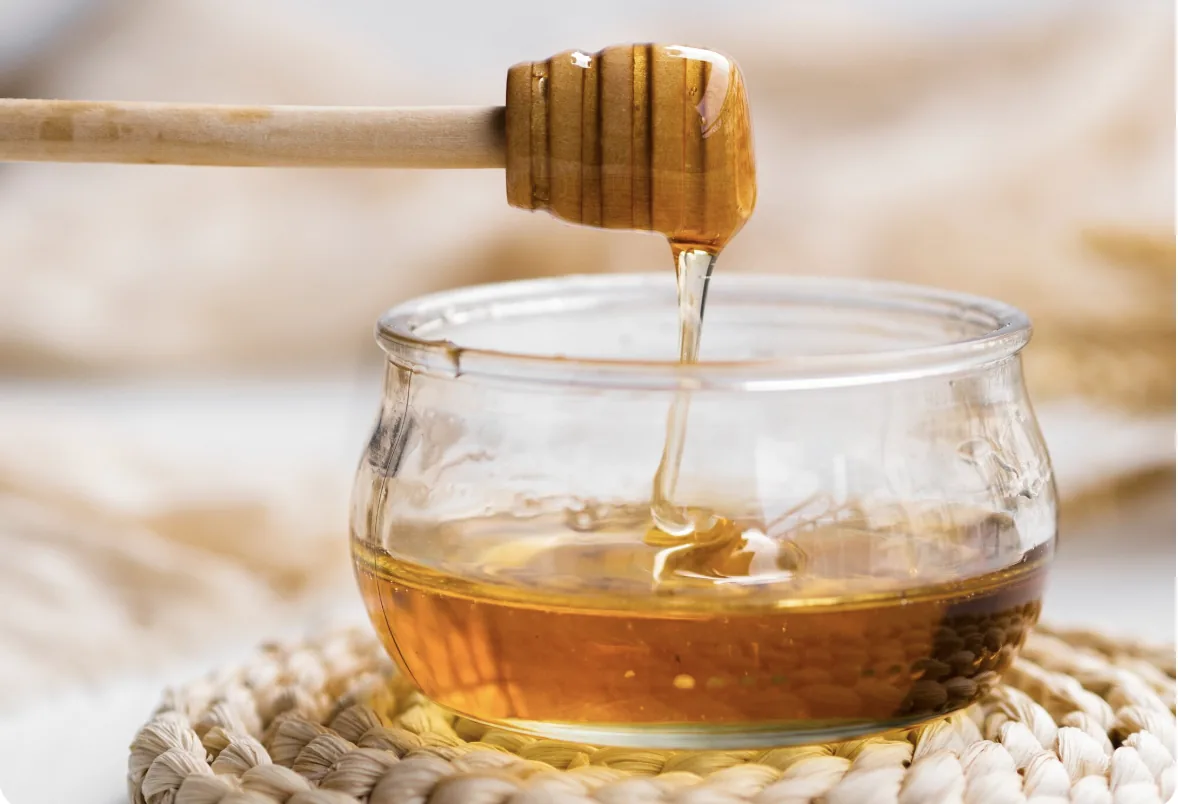
Yes, honey. That golden liquid stored in your kitchen cabinet isn’t just a sweetener—it’s one of humanity’s oldest and most powerful natural medicines. Ancient Egyptians used it to treat wounds. Greek physicians wrote about its healing properties. Traditional Chinese medicine and Ayurveda praised it for calming the body and nourishing energy.
Fast forward to today: hospitals around the world still use medical-grade honey to heal wounds, burns, and even stubborn infections. This isn’t folklore—it’s science-backed care.
Why Honey Works
So, what makes honey so powerful? Researchers have found a few remarkable properties:
- Antibacterial Action – Honey naturally produces hydrogen peroxide when applied to wounds, which helps fight bacteria.
- Anti-Inflammatory – It calms swelling and redness, making it useful for skin irritations.
- Moist Healing Environment – Honey keeps wounds moist, which actually speeds up tissue repair.
- Antioxidants – Rich in flavonoids and phenolic acids, honey helps protect the body from oxidative stress.
In fact, Manuka honey from New Zealand has been studied extensively and is now used in bandages and creams for patients who don’t respond to antibiotics.
Beyond Wounds: Everyday Benefits
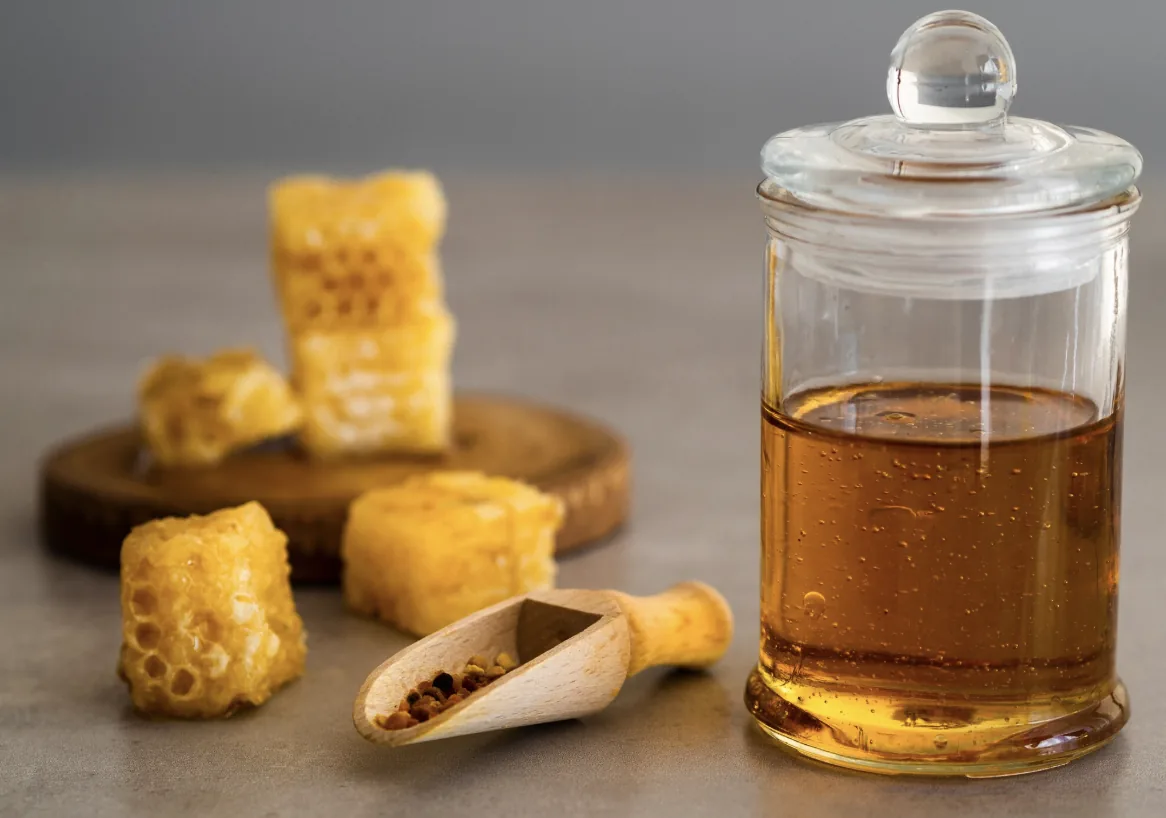
But honey’s healing powers don’t stop at wound care. Here are a few areas where it shows promise:
- Cough Relief
The World Health Organization recognizes honey as a natural cough soother. A spoonful before bed has been shown to reduce nighttime coughing in kids (better than some over-the-counter syrups). - Digestive Health
Some studies suggest honey may help balance gut bacteria and ease conditions like gastritis. Its prebiotic properties mean it can “feed” the good microbes in your system. - Energy Boost
Ancient athletes weren’t wrong—honey provides a quick, steady release of energy. Unlike refined sugar, it contains trace minerals and compounds that help your body process it more efficiently. - Skin Care
Honey has long been used in face masks and balms. Its antibacterial and moisturizing properties make it useful for acne, dryness, and even eczema.
What Science Says Today
Modern research is careful about separating hype from fact, and honey has held up under scrutiny. A growing body of evidence shows honey is effective in:
- Healing diabetic ulcers when standard treatments fail.
- Acting as an antimicrobial against drug-resistant bacteria.
- Reducing sore throats and upper respiratory symptoms.
- Supporting oral health by reducing gum inflammation.
It’s not a cure-all, but it’s a reminder that sometimes the simplest remedies are the most enduring.
A Word of Caution
Not all honey is equal. Much of what you see on supermarket shelves is heavily processed, stripped of enzymes and nutrients. Raw, minimally processed honey contains more of the beneficial compounds.
Also: honey should never be given to infants under one year old due to the risk of botulism. And for people with diabetes, honey still counts as sugar and needs to be consumed carefully.
How to Try This Ancient Remedy Today

You don’t need to smear honey on wounds to benefit from its properties (though doctors do recommend it in certain medical cases). Here are some practical, everyday ways:
- Stir a teaspoon into warm tea to soothe a sore throat.
- Swap refined sugar in recipes for raw honey.
- Use a thin layer as a natural face mask once a week.
- Mix a spoonful with lemon and warm water as a gentle morning tonic.
Simple, accessible, and backed by centuries of use.
Why This Matters
The story of honey shows us something bigger than just one food—it reminds us that not all ancient remedies are “quackery.” Many were based on careful observation, trial and error, and wisdom passed down across generations.
Modern science doesn’t dismiss tradition—it often circles back to confirm it. Honey, turmeric, ginger, and even meditation practices have all been validated by research in recent decades.
Sometimes, the things that survive thousands of years do so for a reason.
Closing Thought
So the next time you drizzle honey on toast or stir it into tea, remember: you’re not just enjoying a natural sweetener—you’re partaking in a 2,000-year-old remedy that still has a place in modern medicine.
And maybe that’s the bigger lesson: the past doesn’t always need replacing. Sometimes, it just needs rediscovering.
Fitness
What 10 Minutes of Walking Immediately After Meals Does to Your Blood Sugar?
Blunting that spike doesn’t require intense cardio or an hour at the gym. A simple 10-minute walk right after eating changes everything.

You finish lunch, clean up your plate, and sit right back down at your desk or collapse onto the couch. Within an hour, a wave of heaviness hits, leaving you sluggish and hunting for an afternoon snack.
This post-meal slump isn’t just about digestion—it’s driven by a sudden spike in your blood sugar. Luckily, blunting that spike doesn’t require intense cardio or an hour at the gym. A simple 10-minute walk right after eating changes everything.
“I used to get so sleepy after lunch that I could barely keep my eyes open during afternoon meetings. Taking a quick 10-minute stroll around the block sounded too simple to work, but my energy hasn’t crashed once since I started.” — Rachel Vance, 41, Accountant
1. Your Muscles Act Like “Glucose Sponges”
When you digest food, your body breaks carbohydrates down into glucose, which enters your bloodstream. Normally, your pancreas has to release a flood of insulin to move that sugar out of your blood and into your cells.
When you contract your leg muscles by walking, those muscles soak up glucose directly from your blood for instant fuel—without needing extra insulin. This mechanism keeps your blood sugar curve smooth and flat instead of sharp and elevated.
2. You Stop the “Spike-and-Crash” Cycle
Sitting still after a heavy meal allows glucose to pool in your bloodstream, creating a steep peak followed by a dramatic drop. That sudden crash is what triggers intense cravings, brain fog, and irritability around 3 PM.
Moving right away keeps your circulation active, spreading out energy delivery so you stay alert without the sudden drop.
“My doctor recommended a short post-meal walk to manage my sugar levels. It takes almost no effort, but my daily energy is noticeably more consistent.” — Arthur Pendelton, 62, Retired Administrator
3. How to Make the 10-Minute Habit Stick
-
Timing beats intensity: You don’t need to power-walk or break a sweat. A casual, easy-paced stroll works perfectly, as long as you start within 15–20 minutes of finishing your meal.
-
Keep it flexible: Bad weather? Pace around your living room, walk up and down a hallway, or tidy up the kitchen. Any light movement counts.
-
Anchor it to lunch: Make it a rule that your workday break ends with a brief 10-minute loop outside before you sit back down at your computer.
Fitness
When Was the Last Time You Gave Your Brain Something New to Solve?
We wake up, answer messages, work through familiar routines, and make many of the same decisions we’ve made before.

Fitness
Why So Many People Wake Up Tired — Even After a Full Night’s Sleep
Ever wake up after what should have been a good night’s sleep… only to feel like you could go right back to bed?



What 10 Minutes of Walking Immediately After Meals Does to Your Blood Sugar?

The 60-Second Reset #01: A 10-Second Fix for Screen-Strained Eyes

Hot vs Cold Therapy: Harnessing Thermal Stress for Metabolic and Mental Resilience

The Vagus Nerve & Nervous System Regulation: Taming the Unseen Stress Response

The 50+ Turning Point: Why Midlife is Ground Zero for Long-Term Vitality

What’s One Piece of Health Advice That Actually Worked for You?

Can Small Sleep Changes Improve Mental Sharpness? Here’s What Researchers Are Learning

The Optical Dilation Trick: How Expanding Your Vision Resets Desk Eye Strain and Anxiety
The Vagus Nerve & Nervous System Regulation: Taming the Unseen Stress Response
Hot vs Cold Therapy: Harnessing Thermal Stress for Metabolic and Mental Resilience
-

 Fitness3 months ago
Unexpected Health Habit: Not a Diet or Supplement – Just One Everyday Habit Worth Noticing
-
 Health4 months ago
What Your Hands Quietly Reveal About Your Digestion (And How To Use It)
-
 Fitness4 months ago
5 Health Myths Most Adults Still Believe And What Actually Matters Instead
-

 Health3 months ago
Have You Ever Wondered Why Homemade Meals Rarely Taste the Same?
-
 Fitness4 months ago
Experts Reveal: The 1-Minute Routine That Improves Digestion Instantly
-
 Health3 months ago
“Lazy Meal Prep”: The easier way people are actually sticking to healthy eating
-
 Health4 months ago
You Slept 8 Hours… So Why Do You Still Feel Exhausted?
-
 Health2 months ago
How Many Steps a Day Actually Matter for Longevity – 5K or 15K?