
Fitness
How to Tell if Your Body is Dehydrated Without Feeling Thirsty
Subtle symptoms like fatigue, headaches, dry skin, constipation, and darker urine often appear before thirst kicks in.
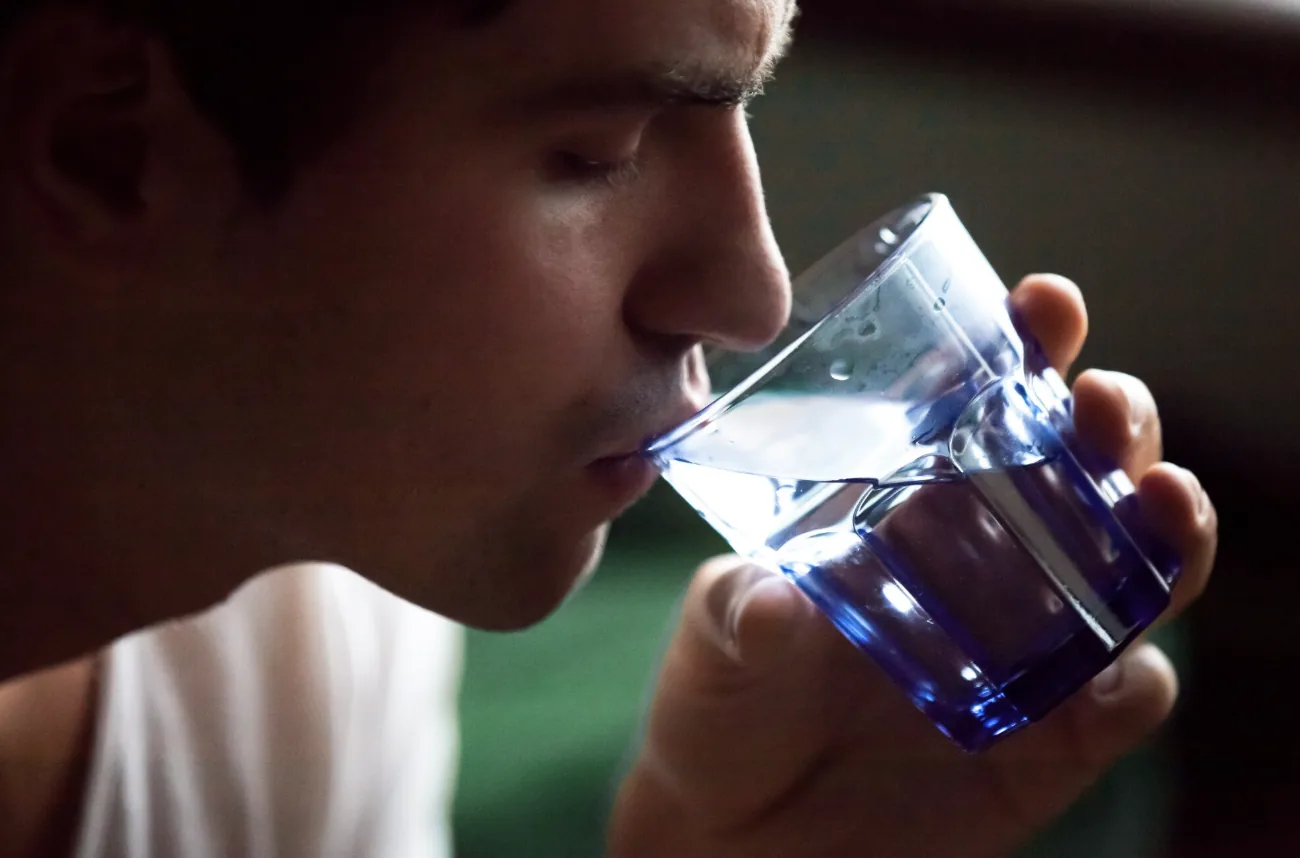
When most of us think about dehydration, the first signal that comes to mind is thirst. If you’re not thirsty, you’re probably fine — right? Not exactly. By the time you feel that dry-mouth urge to grab a glass of water, your body is already behind on fluids.
The truth is, dehydration doesn’t always look obvious. And because water plays a role in nearly every function — from brain focus to joint cushioning — missing the subtle signs can affect your energy, mood, and even long-term health.
Let’s break down how to spot dehydration before it makes you parched.
Why Thirst Isn’t the Best Indicator
Here’s the surprising thing: your body isn’t wired to alert you immediately when fluid levels dip. Thirst kicks in only after your blood volume has already dropped, meaning your cells are already stressed.
That’s why relying solely on thirst is like waiting for the “check engine” light in your car — by the time it flashes, there’s already work to do.
Subtle Signs of Dehydration

So, what should you look for instead? Here are some cues your body might be sending:
- Fatigue and brain fog
Even mild dehydration can temporarily shrink brain tissue, making it harder to focus and sapping your energy. If you feel unusually sluggish by mid-morning, lack of water could be the culprit. - Headaches that come and go
When your body doesn’t have enough fluid, blood vessels can constrict, leading to headaches that seem to appear out of nowhere. - Dry skin (even if you use lotion)
Skin is your largest organ, and it’s quick to show when hydration is low. If your skin looks dull, itchy, or less elastic, it may not just be the weather — it may be your water intake. - Constipation or digestive discomfort
Water helps move waste smoothly through your system. If things are feeling a little “stuck,” dehydration could be playing a role. - Changes in urine color
Light yellow means you’re likely hydrated. Darker shades are a subtle nudge from your kidneys to drink up.
The Morning Check-In Trick
Want a quick, no-equipment way to gauge hydration? Try this in the morning:
- Pinch the skin on the back of your hand gently.
- Watch how quickly it snaps back.
- If it takes a few seconds, it’s a hint your body needs fluids.
This “skin turgor” test is a trick doctors sometimes use — and it works surprisingly well at home.
Why Hydration Matters More Than You Think

It’s easy to underestimate just how much hydration influences daily life. Consider these roles water plays:
- Cushions joints so movement feels easier.
- Supports your heart by keeping blood volume stable.
- Regulates body temperature, even when you’re sitting still.
- Improves mood, since dehydration can spike cortisol (your stress hormone).
In short, hydration isn’t just about quenching thirst — it’s about keeping your whole system running smoothly.
How Much Water Do You Actually Need?
You’ve probably heard the old “eight glasses a day” rule. While that’s a decent guideline, the real answer depends on your body size, activity level, and climate.
A more personalized approach:
- Half your body weight in ounces is a good target for most adults. (So if you weigh 160 pounds, aim for around 80 ounces daily.)
- Remember that hydration also comes from foods like cucumbers, watermelon, and soups.
- Coffee and tea count, too — but balance them with plain water, since caffeine has a mild diuretic effect.
Small Habits That Keep You Ahead
Here’s the good news: you don’t have to carry a giant gallon jug everywhere. Instead, try these easy shifts:
- Start your day with water before coffee. It rehydrates your system after hours of sleep.
- Pair water with routines — like drinking a glass before meals or after bathroom breaks.
- Flavor it naturally with lemon, cucumber, or berries if plain water feels boring.
- Use a smaller cup, but refill often — seeing progress keeps you motivated.
Beyond the Basics: Hidden Risks of Chronic Dehydration
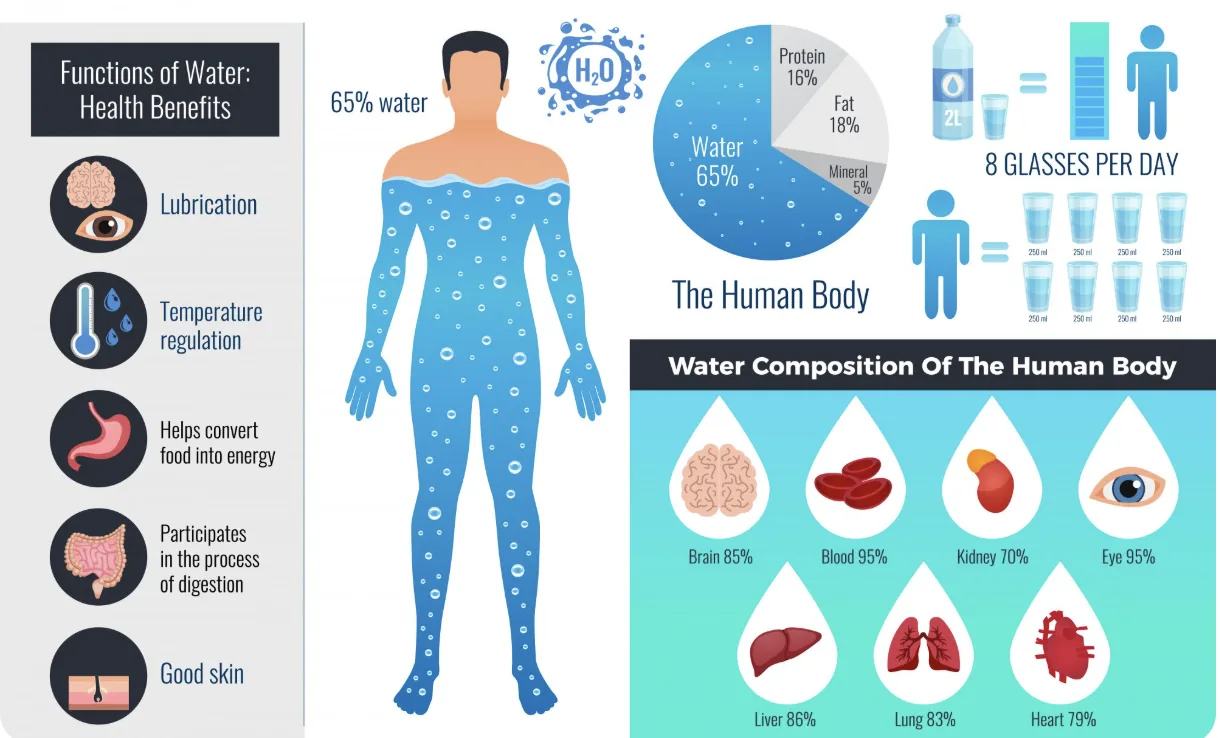
Missing a glass or two won’t wreck your health, but repeated dehydration can slowly add up. Research links chronic low fluid intake to:
- Higher risk of kidney stones
- Urinary tract infections
- Elevated blood pressure
- Reduced endurance during exercise
It’s not about guzzling huge amounts all at once — it’s about consistency throughout the day.
Closing Thought
Your body whispers long before it shouts. If you wait for thirst, you’re already playing catch-up. But by learning to spot the quieter signs — from skin changes to brain fog — you give yourself the chance to stay ahead.
Next time you feel a mid-day slump or unexplained headache, ask yourself: When was the last time I had a glass of water?
And here’s a question to carry with you until our next newsletter: if water is this essential, what other “ordinary” daily habits might be quietly shaping your energy and health in extraordinary ways?
Fitness
What 10 Minutes of Walking Immediately After Meals Does to Your Blood Sugar?
Blunting that spike doesn’t require intense cardio or an hour at the gym. A simple 10-minute walk right after eating changes everything.

You finish lunch, clean up your plate, and sit right back down at your desk or collapse onto the couch. Within an hour, a wave of heaviness hits, leaving you sluggish and hunting for an afternoon snack.
This post-meal slump isn’t just about digestion—it’s driven by a sudden spike in your blood sugar. Luckily, blunting that spike doesn’t require intense cardio or an hour at the gym. A simple 10-minute walk right after eating changes everything.
“I used to get so sleepy after lunch that I could barely keep my eyes open during afternoon meetings. Taking a quick 10-minute stroll around the block sounded too simple to work, but my energy hasn’t crashed once since I started.” — Rachel Vance, 41, Accountant
1. Your Muscles Act Like “Glucose Sponges”
When you digest food, your body breaks carbohydrates down into glucose, which enters your bloodstream. Normally, your pancreas has to release a flood of insulin to move that sugar out of your blood and into your cells.
When you contract your leg muscles by walking, those muscles soak up glucose directly from your blood for instant fuel—without needing extra insulin. This mechanism keeps your blood sugar curve smooth and flat instead of sharp and elevated.
2. You Stop the “Spike-and-Crash” Cycle
Sitting still after a heavy meal allows glucose to pool in your bloodstream, creating a steep peak followed by a dramatic drop. That sudden crash is what triggers intense cravings, brain fog, and irritability around 3 PM.
Moving right away keeps your circulation active, spreading out energy delivery so you stay alert without the sudden drop.
“My doctor recommended a short post-meal walk to manage my sugar levels. It takes almost no effort, but my daily energy is noticeably more consistent.” — Arthur Pendelton, 62, Retired Administrator
3. How to Make the 10-Minute Habit Stick
-
Timing beats intensity: You don’t need to power-walk or break a sweat. A casual, easy-paced stroll works perfectly, as long as you start within 15–20 minutes of finishing your meal.
-
Keep it flexible: Bad weather? Pace around your living room, walk up and down a hallway, or tidy up the kitchen. Any light movement counts.
-
Anchor it to lunch: Make it a rule that your workday break ends with a brief 10-minute loop outside before you sit back down at your computer.
Fitness
When Was the Last Time You Gave Your Brain Something New to Solve?
We wake up, answer messages, work through familiar routines, and make many of the same decisions we’ve made before.

Fitness
Why So Many People Wake Up Tired — Even After a Full Night’s Sleep
Ever wake up after what should have been a good night’s sleep… only to feel like you could go right back to bed?


What 10 Minutes of Walking Immediately After Meals Does to Your Blood Sugar?

The 60-Second Reset #01: A 10-Second Fix for Screen-Strained Eyes

Hot vs Cold Therapy: Harnessing Thermal Stress for Metabolic and Mental Resilience

The Vagus Nerve & Nervous System Regulation: Taming the Unseen Stress Response

The 50+ Turning Point: Why Midlife is Ground Zero for Long-Term Vitality

What’s One Piece of Health Advice That Actually Worked for You?

Can Small Sleep Changes Improve Mental Sharpness? Here’s What Researchers Are Learning

The Optical Dilation Trick: How Expanding Your Vision Resets Desk Eye Strain and Anxiety
The Vagus Nerve & Nervous System Regulation: Taming the Unseen Stress Response
Hot vs Cold Therapy: Harnessing Thermal Stress for Metabolic and Mental Resilience
-

 Fitness3 months ago
Unexpected Health Habit: Not a Diet or Supplement – Just One Everyday Habit Worth Noticing
-
 Health4 months ago
What Your Hands Quietly Reveal About Your Digestion (And How To Use It)
-
 Fitness4 months ago
5 Health Myths Most Adults Still Believe And What Actually Matters Instead
-

 Health3 months ago
Have You Ever Wondered Why Homemade Meals Rarely Taste the Same?
-
 Fitness4 months ago
Experts Reveal: The 1-Minute Routine That Improves Digestion Instantly
-
 Health3 months ago
“Lazy Meal Prep”: The easier way people are actually sticking to healthy eating
-
 Health4 months ago
You Slept 8 Hours… So Why Do You Still Feel Exhausted?
-
 Health2 months ago
How Many Steps a Day Actually Matter for Longevity – 5K or 15K?