
Fitness
A New Generation of Weight-Loss Drugs Target Brain Plasticity

A breakthrough in weight-loss drug development is on the horizon, thanks to the innovative research led by Associate Professor Christoffer Clemmensen from the Novo Nordisk Foundation Center for Basic Metabolic Research at the University of Copenhagen. Clemmensen and his team have developed a new type of weight-loss drug that affects brain plasticity and shows promising results in preclinical studies. Published in the scientific journal Nature, this new drug could potentially offer a more effective and targeted approach to weight loss.
The Role of GLP-1 in Weight Loss

In their study, the researchers demonstrate a novel use of the weight-loss hormone GLP-1. Traditionally, GLP-1 has been used to help manage weight, but Clemmensen’s team discovered that it could serve as a ‘Trojan Horse’ to deliver specific molecules into the brain. These molecules target the brain’s plasticity, resulting in significant weight loss in mice.
The study suggests future patients could achieve similar weight-loss results with lower doses, potentially reducing side effects.
From Mice to Humans: The Next Steps
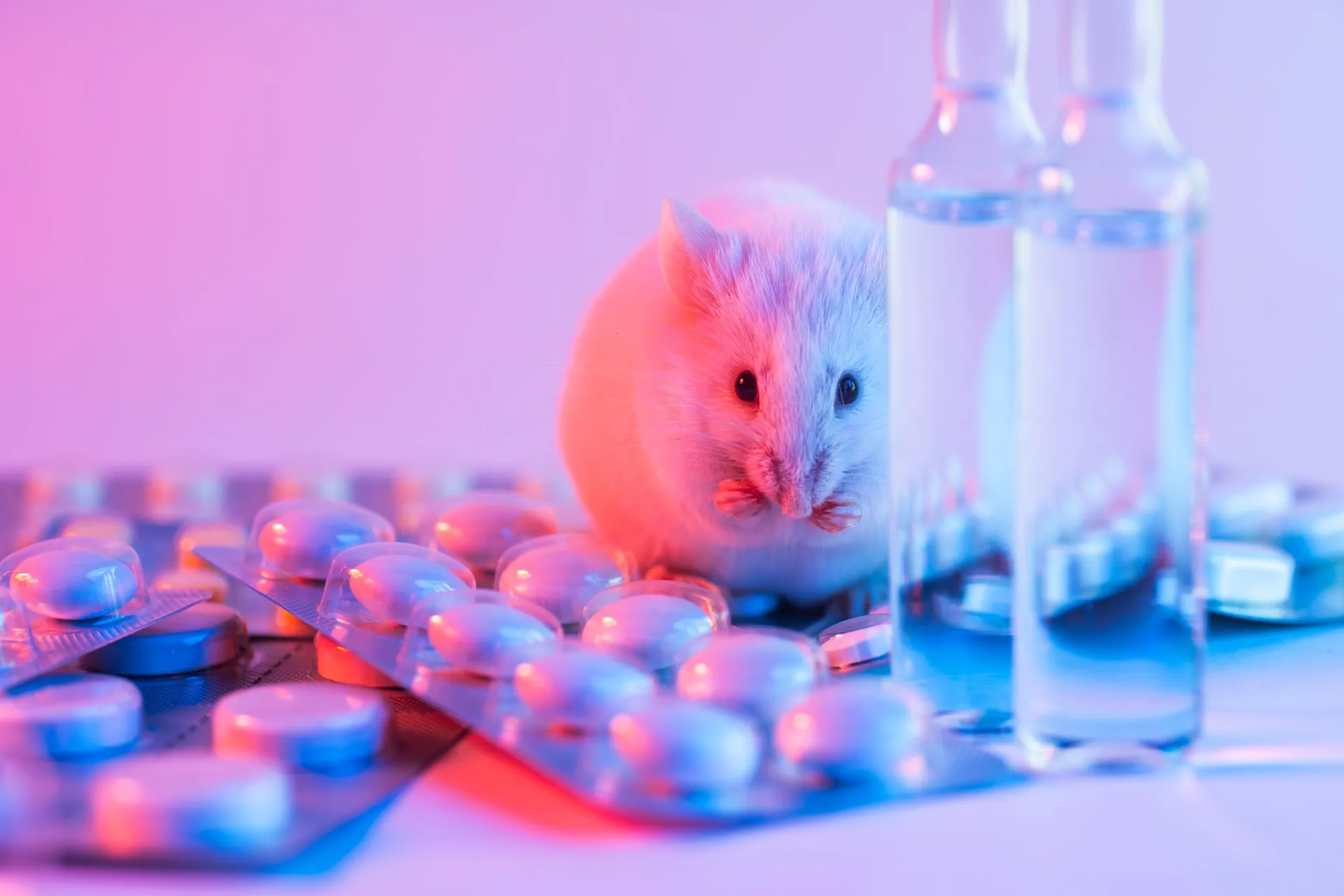
Currently, the new drug is in the preclinical phase, involving studies on cells and experimental animals. The next critical step is to conduct clinical trials with human participants. These trials will determine how the drug works in humans and whether the impressive results seen in mice can be replicated.
Clemmensen is optimistic about the potential of this drug, noting that GLP-1-based drugs are already known to induce weight loss. By attaching a molecule that affects the glutamatergic neurotransmitter system to GLP-1, the team has created a drug that may offer significant weight loss benefits. Previous studies with similar compounds have shown promise in human participants, further supporting the potential of this new drug.
Overcoming the Brain’s Defense Mechanisms

The human body is naturally designed to defend a certain body weight and fat mass, a trait that has historically helped humans survive periods of food scarcity. However, in today’s world, where obesity is a growing problem, this evolutionary advantage can be detrimental.
Clemmensen and his team developed an interest in molecules used to treat chronic depression and Alzheimer’s disease, which block a receptor protein called the NMDA receptor. These receptors play a key role in brain plasticity, affecting long-term changes in brain connections. By targeting these receptors, the new drug can potentially alter the brain’s structure and function to promote weight loss.
The Potential of Targeted Drug Delivery
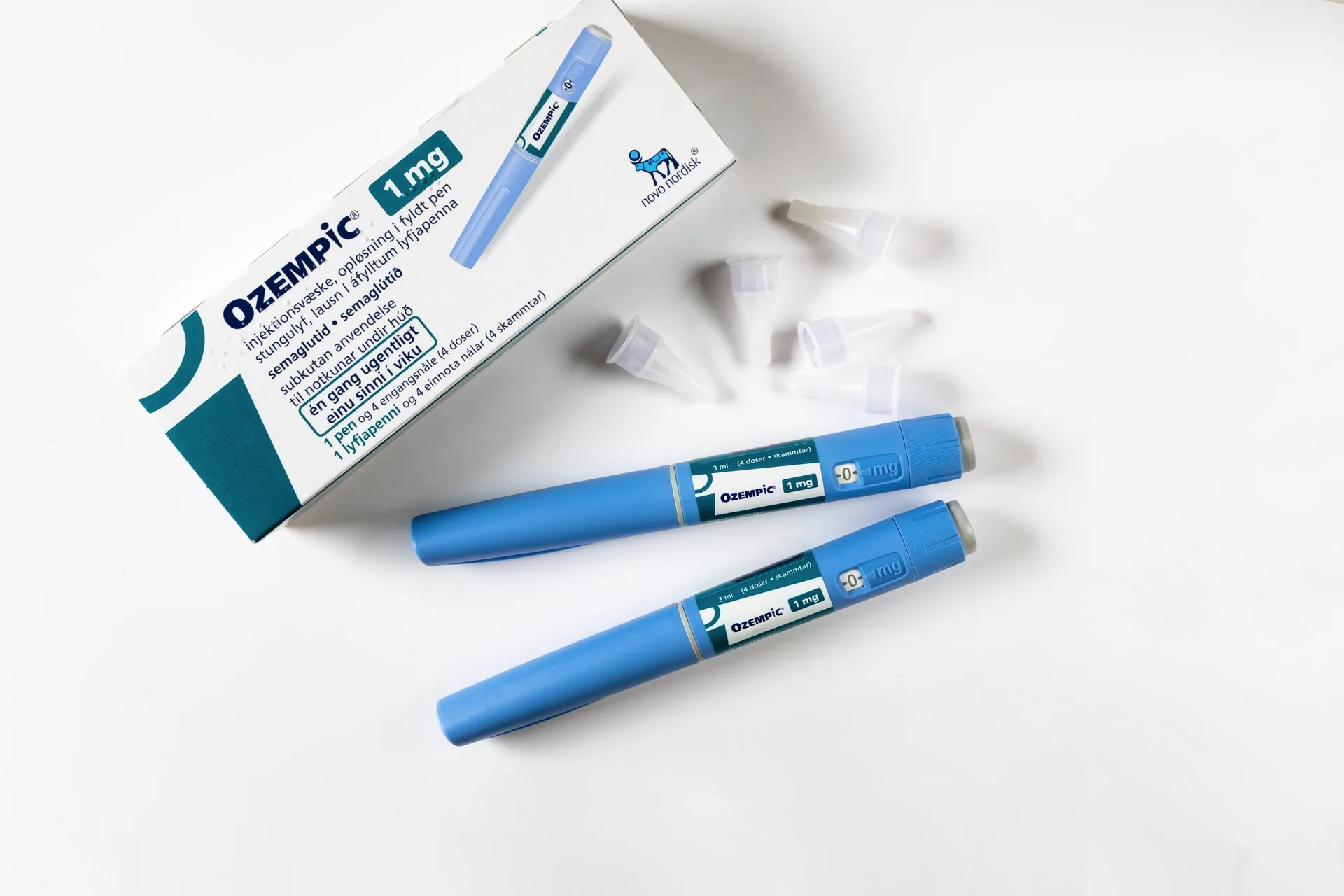
A significant innovation of this new drug is its targeted delivery method. By combining GLP-1 with molecules that block the NMDA receptor, the drug specifically targets the neurons that control appetite. This specificity reduces the risk of non-specific effects that can cause severe side effects, a common issue with many neurobiological drugs.
“This family of molecules can have a permanent effect on the brain,” Clemmensen explains. “We see molecular signatures of neuroplasticity in our work, but in this case, in the context of weight loss.” The drug’s ability to cross the blood-brain barrier and target specific brain regions marks a significant advancement in weight-loss treatment.
Implications for Future Treatments

The implications of this research extend beyond weight loss. By using GLP-1 as a vehicle to deliver drugs to specific parts of the brain, Clemmensen’s team has opened the door to a new class of treatments for various neurodegenerative diseases and psychiatric disorders. This approach could lead to more effective and targeted therapies for conditions that have been difficult to treat due to the challenges of crossing the blood-brain barrier.
Understanding Neuroplasticity

Neuroplasticity, or the brain’s ability to restructure itself by forming new neural connections, is central to this new drug’s mechanism. This ability allows the brain to adjust to new experiences, learn new skills, and recover from injuries. By harnessing neuroplasticity, the new drug can potentially bring about long-lasting changes in brain function that promote weight loss.
In conclusion, the development of this new weight-loss drug represents a significant step forward in the fight against obesity. By targeting brain plasticity and utilizing innovative drug delivery methods, Clemmensen and his team have created a promising new treatment that could benefit millions of people struggling with weight management. As research progresses and clinical trials begin, the potential for this drug to revolutionize weight-loss therapy becomes increasingly clear.
Are you excited about the brain side effects of weight loss drugs? Leave your thoughts in the comments below.
Fitness
What 10 Minutes of Walking Immediately After Meals Does to Your Blood Sugar?
Blunting that spike doesn’t require intense cardio or an hour at the gym. A simple 10-minute walk right after eating changes everything.

You finish lunch, clean up your plate, and sit right back down at your desk or collapse onto the couch. Within an hour, a wave of heaviness hits, leaving you sluggish and hunting for an afternoon snack.
This post-meal slump isn’t just about digestion—it’s driven by a sudden spike in your blood sugar. Luckily, blunting that spike doesn’t require intense cardio or an hour at the gym. A simple 10-minute walk right after eating changes everything.
“I used to get so sleepy after lunch that I could barely keep my eyes open during afternoon meetings. Taking a quick 10-minute stroll around the block sounded too simple to work, but my energy hasn’t crashed once since I started.” — Rachel Vance, 41, Accountant
1. Your Muscles Act Like “Glucose Sponges”
When you digest food, your body breaks carbohydrates down into glucose, which enters your bloodstream. Normally, your pancreas has to release a flood of insulin to move that sugar out of your blood and into your cells.
When you contract your leg muscles by walking, those muscles soak up glucose directly from your blood for instant fuel—without needing extra insulin. This mechanism keeps your blood sugar curve smooth and flat instead of sharp and elevated.
2. You Stop the “Spike-and-Crash” Cycle
Sitting still after a heavy meal allows glucose to pool in your bloodstream, creating a steep peak followed by a dramatic drop. That sudden crash is what triggers intense cravings, brain fog, and irritability around 3 PM.
Moving right away keeps your circulation active, spreading out energy delivery so you stay alert without the sudden drop.
“My doctor recommended a short post-meal walk to manage my sugar levels. It takes almost no effort, but my daily energy is noticeably more consistent.” — Arthur Pendelton, 62, Retired Administrator
3. How to Make the 10-Minute Habit Stick
-
Timing beats intensity: You don’t need to power-walk or break a sweat. A casual, easy-paced stroll works perfectly, as long as you start within 15–20 minutes of finishing your meal.
-
Keep it flexible: Bad weather? Pace around your living room, walk up and down a hallway, or tidy up the kitchen. Any light movement counts.
-
Anchor it to lunch: Make it a rule that your workday break ends with a brief 10-minute loop outside before you sit back down at your computer.
Fitness
When Was the Last Time You Gave Your Brain Something New to Solve?
We wake up, answer messages, work through familiar routines, and make many of the same decisions we’ve made before.

Fitness
Why So Many People Wake Up Tired — Even After a Full Night’s Sleep
Ever wake up after what should have been a good night’s sleep… only to feel like you could go right back to bed?



What 10 Minutes of Walking Immediately After Meals Does to Your Blood Sugar?

The 60-Second Reset #01: A 10-Second Fix for Screen-Strained Eyes

Hot vs Cold Therapy: Harnessing Thermal Stress for Metabolic and Mental Resilience

The Vagus Nerve & Nervous System Regulation: Taming the Unseen Stress Response

The 50+ Turning Point: Why Midlife is Ground Zero for Long-Term Vitality

What’s One Piece of Health Advice That Actually Worked for You?

Can Small Sleep Changes Improve Mental Sharpness? Here’s What Researchers Are Learning

The Optical Dilation Trick: How Expanding Your Vision Resets Desk Eye Strain and Anxiety
The Vagus Nerve & Nervous System Regulation: Taming the Unseen Stress Response
Hot vs Cold Therapy: Harnessing Thermal Stress for Metabolic and Mental Resilience
-

 Fitness3 months ago
Unexpected Health Habit: Not a Diet or Supplement – Just One Everyday Habit Worth Noticing
-
 Health4 months ago
What Your Hands Quietly Reveal About Your Digestion (And How To Use It)
-
 Fitness4 months ago
5 Health Myths Most Adults Still Believe And What Actually Matters Instead
-

 Health3 months ago
Have You Ever Wondered Why Homemade Meals Rarely Taste the Same?
-
 Fitness4 months ago
Experts Reveal: The 1-Minute Routine That Improves Digestion Instantly
-
 Health3 months ago
“Lazy Meal Prep”: The easier way people are actually sticking to healthy eating
-
 Health4 months ago
You Slept 8 Hours… So Why Do You Still Feel Exhausted?
-

 Health2 months ago
How Many Steps a Day Actually Matter for Longevity – 5K or 15K?