
Fitness
Ancient Tactical Health Practices – What Warriors Knew That We’re Rediscovering Today
Modern science now confirms these time-tested methods improve stress control, boost circulation, and enhance practical fitness.

Most of us think of health practices as modern inventions — gyms with sleek equipment, apps that track steps, or supplements with futuristic names. But some of the most powerful methods for resilience and longevity actually come from the past.
Ancient warriors, survivalists, and martial artists had no choice but to build bodies (and minds) that could endure. And now, science is starting to prove just how effective their methods really were.
Let’s explore three of the most fascinating ones.
- Martial Arts Breathing (Control Your Body With Your Breath)

If you’ve ever watched a martial artist in action, you’ll notice their sharp, rhythmic breaths — not just for show, but for control. Breathing techniques like “hara breathing” in Japanese martial arts or qi gong in Chinese traditions were designed to steady nerves, deliver power, and keep oxygen flowing efficiently.
Modern research confirms this: slow, diaphragmatic breathing lowers stress hormones, improves focus, and even regulates heart rate. For someone facing combat centuries ago, this was life-saving. For us today, it can be just as useful — whether in a stressful meeting or a morning workout.
- Cold Exposure (From River Baths to Ice Showers)

Vikings bathed in icy rivers. Samurai trained in waterfalls. Indigenous cultures used cold plunges to toughen the body and sharpen the mind. The practice wasn’t about comfort — it was about resilience.
Now, science backs it up: short bouts of cold exposure boost circulation, reduce inflammation, and improve mood by triggering endorphins and dopamine release. Even brief cold showers can “train” your nervous system to handle stress better. What once prepared warriors for harsh winters can now help us reset from modern-day stress.
- Survivalist Fitness Routines (Strength Without a Gym)

Ancient survival demanded functional strength — climbing, carrying, crawling, and running. Think of Roman soldiers marching with heavy packs, or Native American hunters tracking game across rough terrain. Their fitness wasn’t built on isolated bicep curls — it was rooted in movement that mirrored real life.
Today, trainers call this “functional fitness.” Lifting odd objects, bodyweight drills, and outdoor training mimic the survival routines of the past. The benefit? Strength that’s practical, adaptable, and protective against injury — not just cosmetic.
Why This Matters Today
You don’t need to live like a warrior to benefit from these practices. A few minutes of mindful breathing, a brisk cold shower, or a bodyweight circuit outside can tap into the same resilience ancient fighters relied on.
The beauty is that these practices cost nothing, require no fancy gear, and connect us back to something deeply human: the drive to adapt, survive, and thrive.
Subtle takeaway:
The tools for better health aren’t always new. Sometimes, they’ve been waiting for us in history — we just need to remember them.
Fitness
What 10 Minutes of Walking Immediately After Meals Does to Your Blood Sugar?
Blunting that spike doesn’t require intense cardio or an hour at the gym. A simple 10-minute walk right after eating changes everything.
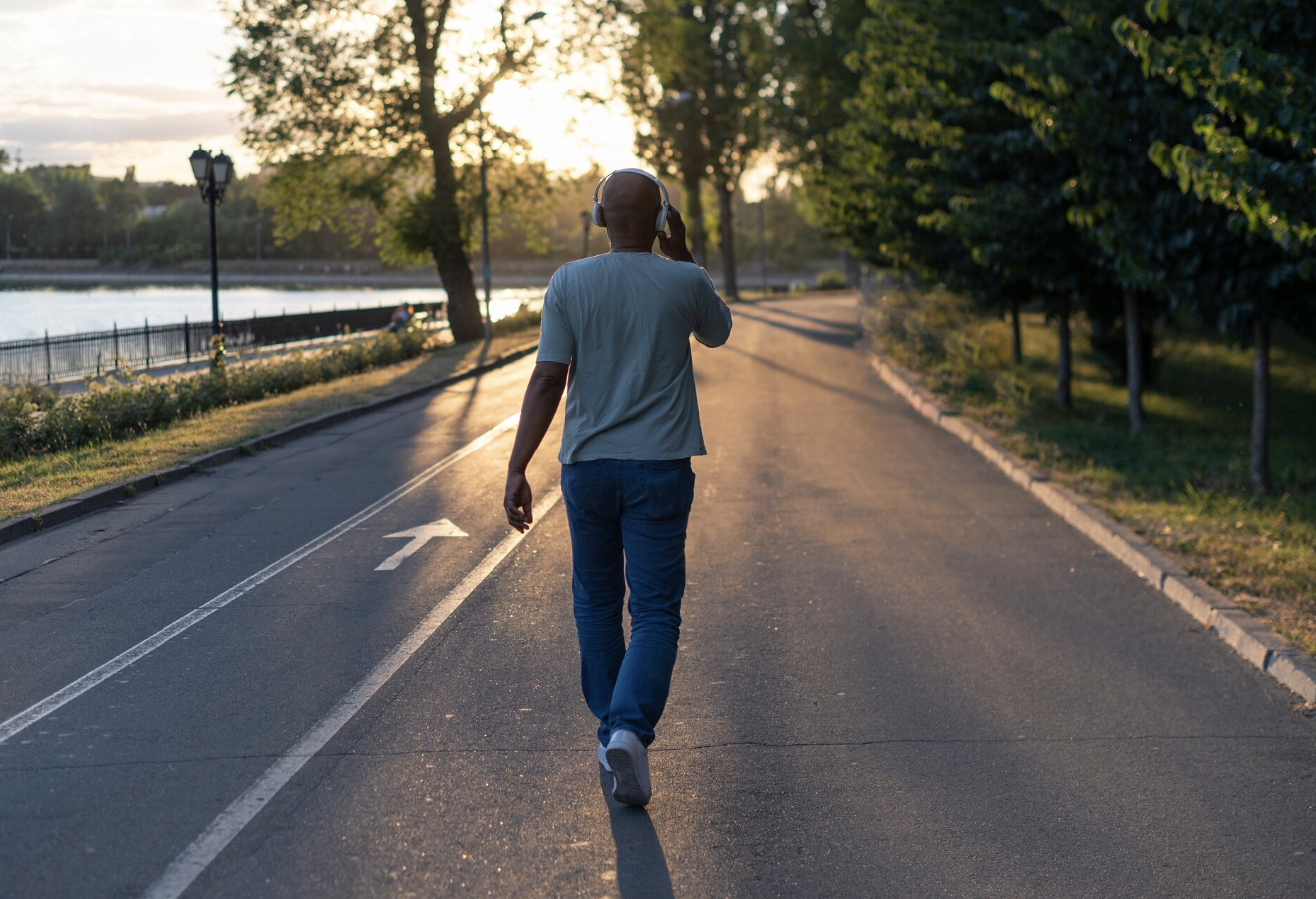
You finish lunch, clean up your plate, and sit right back down at your desk or collapse onto the couch. Within an hour, a wave of heaviness hits, leaving you sluggish and hunting for an afternoon snack.
This post-meal slump isn’t just about digestion—it’s driven by a sudden spike in your blood sugar. Luckily, blunting that spike doesn’t require intense cardio or an hour at the gym. A simple 10-minute walk right after eating changes everything.
“I used to get so sleepy after lunch that I could barely keep my eyes open during afternoon meetings. Taking a quick 10-minute stroll around the block sounded too simple to work, but my energy hasn’t crashed once since I started.” — Rachel Vance, 41, Accountant
1. Your Muscles Act Like “Glucose Sponges”
When you digest food, your body breaks carbohydrates down into glucose, which enters your bloodstream. Normally, your pancreas has to release a flood of insulin to move that sugar out of your blood and into your cells.
When you contract your leg muscles by walking, those muscles soak up glucose directly from your blood for instant fuel—without needing extra insulin. This mechanism keeps your blood sugar curve smooth and flat instead of sharp and elevated.
2. You Stop the “Spike-and-Crash” Cycle
Sitting still after a heavy meal allows glucose to pool in your bloodstream, creating a steep peak followed by a dramatic drop. That sudden crash is what triggers intense cravings, brain fog, and irritability around 3 PM.
Moving right away keeps your circulation active, spreading out energy delivery so you stay alert without the sudden drop.
“My doctor recommended a short post-meal walk to manage my sugar levels. It takes almost no effort, but my daily energy is noticeably more consistent.” — Arthur Pendelton, 62, Retired Administrator
3. How to Make the 10-Minute Habit Stick
-
Timing beats intensity: You don’t need to power-walk or break a sweat. A casual, easy-paced stroll works perfectly, as long as you start within 15–20 minutes of finishing your meal.
-
Keep it flexible: Bad weather? Pace around your living room, walk up and down a hallway, or tidy up the kitchen. Any light movement counts.
-
Anchor it to lunch: Make it a rule that your workday break ends with a brief 10-minute loop outside before you sit back down at your computer.
Fitness
When Was the Last Time You Gave Your Brain Something New to Solve?
We wake up, answer messages, work through familiar routines, and make many of the same decisions we’ve made before.

Fitness
Why So Many People Wake Up Tired — Even After a Full Night’s Sleep
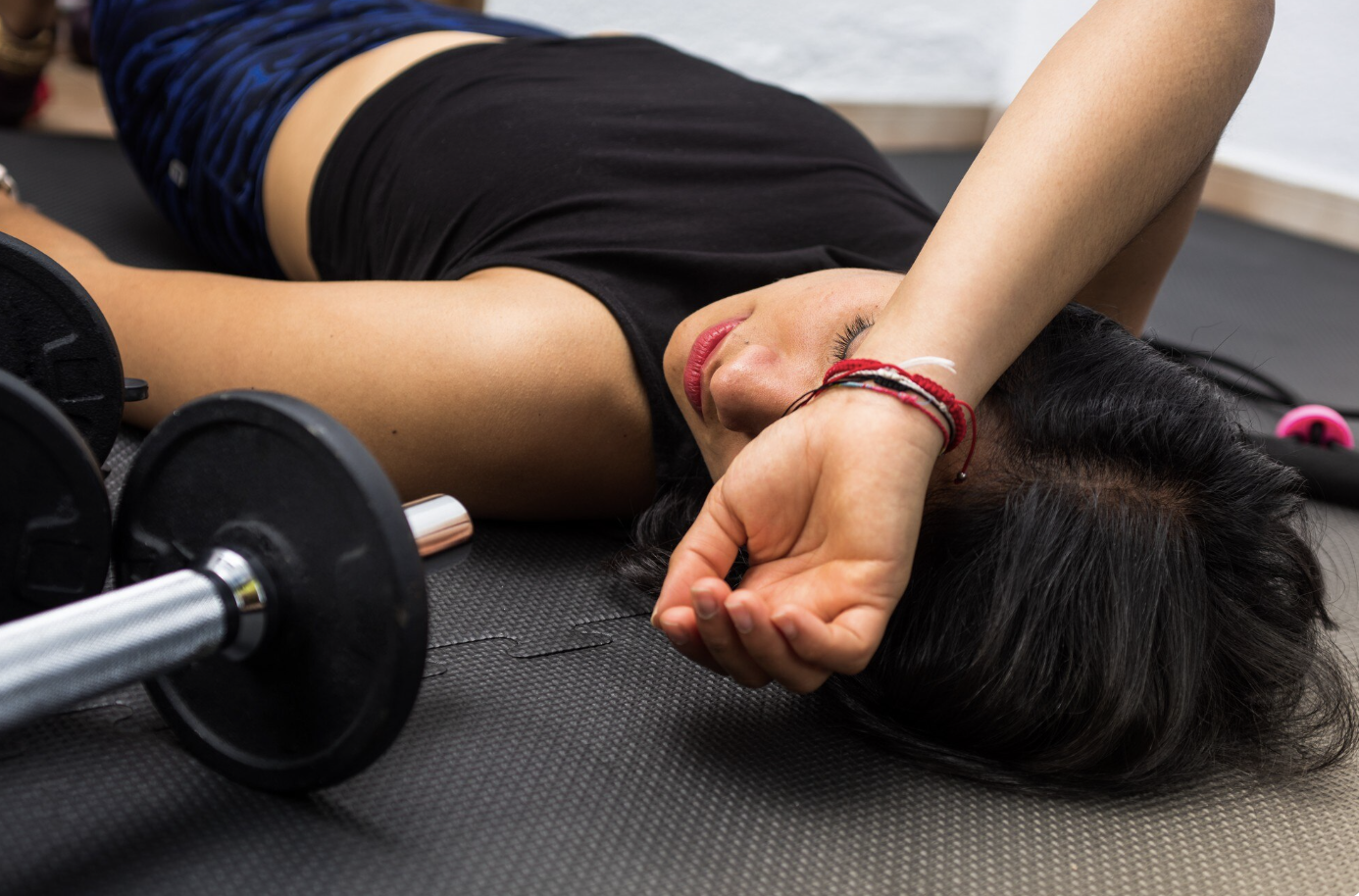
Ever wake up after what should have been a good night’s sleep… only to feel like you could go right back to bed?


What 10 Minutes of Walking Immediately After Meals Does to Your Blood Sugar?

The 60-Second Reset #01: A 10-Second Fix for Screen-Strained Eyes

Hot vs Cold Therapy: Harnessing Thermal Stress for Metabolic and Mental Resilience

The Vagus Nerve & Nervous System Regulation: Taming the Unseen Stress Response

The 50+ Turning Point: Why Midlife is Ground Zero for Long-Term Vitality

What’s One Piece of Health Advice That Actually Worked for You?

Can Small Sleep Changes Improve Mental Sharpness? Here’s What Researchers Are Learning

The Optical Dilation Trick: How Expanding Your Vision Resets Desk Eye Strain and Anxiety
The Vagus Nerve & Nervous System Regulation: Taming the Unseen Stress Response
Hot vs Cold Therapy: Harnessing Thermal Stress for Metabolic and Mental Resilience
-

 Fitness3 months ago
Unexpected Health Habit: Not a Diet or Supplement – Just One Everyday Habit Worth Noticing
-
 Health4 months ago
What Your Hands Quietly Reveal About Your Digestion (And How To Use It)
-
 Fitness4 months ago
5 Health Myths Most Adults Still Believe And What Actually Matters Instead
-

 Health3 months ago
Have You Ever Wondered Why Homemade Meals Rarely Taste the Same?
-
 Fitness4 months ago
Experts Reveal: The 1-Minute Routine That Improves Digestion Instantly
-
 Health3 months ago
“Lazy Meal Prep”: The easier way people are actually sticking to healthy eating
-
 Health4 months ago
You Slept 8 Hours… So Why Do You Still Feel Exhausted?
-
 Health2 months ago
How Many Steps a Day Actually Matter for Longevity – 5K or 15K?