
Fitness
Embrace the Movement: Overcoming Exercise Obstacles and Maximizing Benefits

As winter’s chill persists, it’s tempting to hunker down and succumb to the allure of sedentary comfort. Yet, regardless of the season, prioritizing physical activity is paramount for maintaining both physical and mental well-being. Whether you’re braving the icy winds or reveling in the first signs of spring, there’s no time like the present to embark on a journey toward a more active lifestyle.
If you’re unsure where to begin or find yourself grappling with exercise obstacles, fret not. Below, we share practical tips and insights to help you kickstart your fitness journey and reap the myriad benefits of regular physical activity.
Unveiling the Benefits of Movement for All

Despite the well-documented advantages of exercise, a significant proportion of individuals fall short of meeting recommended activity levels. Yet, the rewards of embracing physical activity are manifold, encompassing both physical and mental realms. From fortifying cardiovascular health to warding off chronic diseases and enhancing mood, the transformative power of exercise is undeniable. By committing to strengthening muscles twice weekly and engaging in 150 minutes of aerobic activity per week, individuals can safeguard their well-being and unlock a host of health benefits.
Navigating Exercise Obstacles with Resilience

While the benefits of exercise are undeniable, a myriad of obstacles may impede our journey toward a more active lifestyle. Whether it’s braving the cold, grappling with mobility issues, or simply lacking motivation, it’s essential to adopt strategies to overcome these barriers.
- Confronting Cold Weather: Donning appropriate attire and embracing outdoor activities like brisk walks or hiking can help combat the winter blues while reaping the rewards of physical activity.
- Addressing Mobility Concerns: For those with mobility challenges, modifying workouts or exploring adaptive sports programs can provide alternative avenues for staying active. Seated workouts, aquatic exercises, or adaptive sports offer viable options for individuals with diverse needs.
- Combatting Exercise Aversion: For those averse to formal exercise, integrating physical activity into daily routines through household chores, yard work, or active commuting can foster a more active lifestyle without the need for structured workouts.
- Embracing Indoor Alternatives: In the era of remote living, indoor exercise options abound, ranging from body-weight workouts and yoga to online exercise classes and treadmill sessions. Regardless of budget or space constraints, there’s an indoor activity to suit every preference and fitness level.
Making Time for Movement: Unveiling the Power of Incremental Progress

Incorporating physical activity into daily life need not be daunting, as even small increments of movement yield significant health benefits. Research underscores the profound impact of short bouts of exercise on cardiovascular health and longevity, highlighting the potency of consistent effort over time. Whether it’s a brief stroll or a vigorous workout session, every moment of movement contributes to overall well-being, setting the stage for sustained health and vitality.
Taking the First Step Towards Active Living
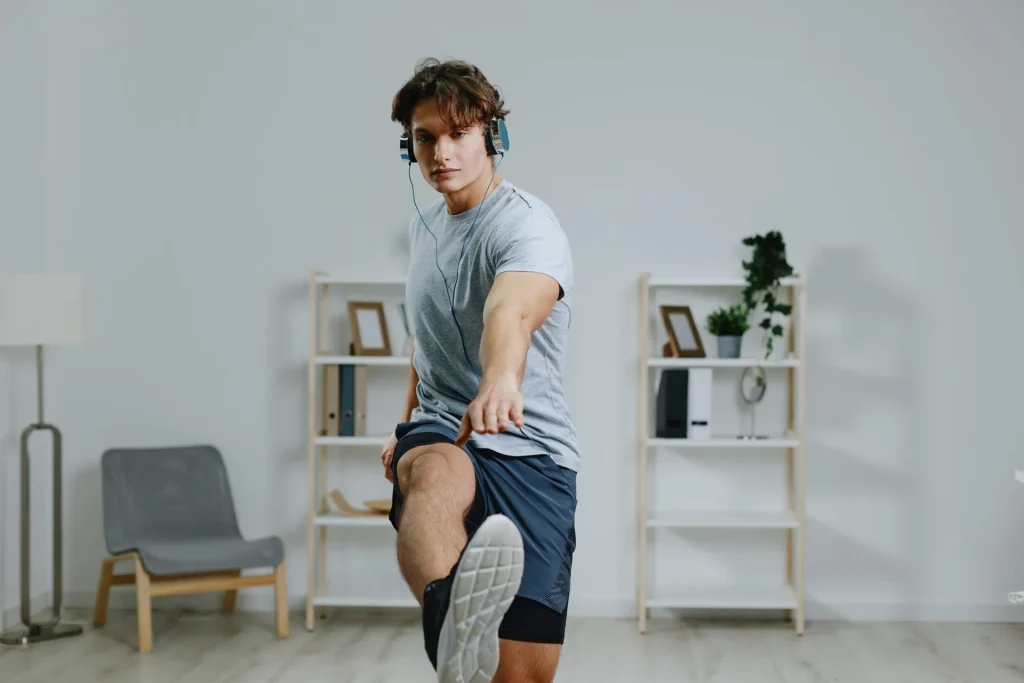
Embarking on a journey towards a more active lifestyle necessitates a deliberate and gradual approach, tailored to individual needs and abilities. Consulting with healthcare professionals or physical therapists can provide valuable guidance for those with specific health concerns or mobility limitations. Moreover, embracing activities that resonate with personal interests and setting attainable goals fosters motivation and ensures long-term adherence to an active lifestyle.
In essence, the path to optimal health begins with a single step towards movement and vitality. By overcoming exercise obstacles, embracing diverse forms of physical activity, and prioritizing incremental progress, individuals can unlock the transformative power of exercise in enhancing both physical and mental well-being.
Whether it’s a brisk walk in the crisp winter air or a yoga session in the comfort of home, each moment of movement propels us closer to a life of health, vitality, and resilience. So seize the momentum, embrace the movement, and embark on a journey towards a healthier, more vibrant you.
How do you embrace fitness rather than just enduring it? Leave your thoughts in the comments below.
Fitness
What 10 Minutes of Walking Immediately After Meals Does to Your Blood Sugar?
Blunting that spike doesn’t require intense cardio or an hour at the gym. A simple 10-minute walk right after eating changes everything.

You finish lunch, clean up your plate, and sit right back down at your desk or collapse onto the couch. Within an hour, a wave of heaviness hits, leaving you sluggish and hunting for an afternoon snack.
This post-meal slump isn’t just about digestion—it’s driven by a sudden spike in your blood sugar. Luckily, blunting that spike doesn’t require intense cardio or an hour at the gym. A simple 10-minute walk right after eating changes everything.
“I used to get so sleepy after lunch that I could barely keep my eyes open during afternoon meetings. Taking a quick 10-minute stroll around the block sounded too simple to work, but my energy hasn’t crashed once since I started.” — Rachel Vance, 41, Accountant
1. Your Muscles Act Like “Glucose Sponges”
When you digest food, your body breaks carbohydrates down into glucose, which enters your bloodstream. Normally, your pancreas has to release a flood of insulin to move that sugar out of your blood and into your cells.
When you contract your leg muscles by walking, those muscles soak up glucose directly from your blood for instant fuel—without needing extra insulin. This mechanism keeps your blood sugar curve smooth and flat instead of sharp and elevated.
2. You Stop the “Spike-and-Crash” Cycle
Sitting still after a heavy meal allows glucose to pool in your bloodstream, creating a steep peak followed by a dramatic drop. That sudden crash is what triggers intense cravings, brain fog, and irritability around 3 PM.
Moving right away keeps your circulation active, spreading out energy delivery so you stay alert without the sudden drop.
“My doctor recommended a short post-meal walk to manage my sugar levels. It takes almost no effort, but my daily energy is noticeably more consistent.” — Arthur Pendelton, 62, Retired Administrator
3. How to Make the 10-Minute Habit Stick
-
Timing beats intensity: You don’t need to power-walk or break a sweat. A casual, easy-paced stroll works perfectly, as long as you start within 15–20 minutes of finishing your meal.
-
Keep it flexible: Bad weather? Pace around your living room, walk up and down a hallway, or tidy up the kitchen. Any light movement counts.
-
Anchor it to lunch: Make it a rule that your workday break ends with a brief 10-minute loop outside before you sit back down at your computer.
Fitness
When Was the Last Time You Gave Your Brain Something New to Solve?
We wake up, answer messages, work through familiar routines, and make many of the same decisions we’ve made before.

Fitness
Why So Many People Wake Up Tired — Even After a Full Night’s Sleep
Ever wake up after what should have been a good night’s sleep… only to feel like you could go right back to bed?


What 10 Minutes of Walking Immediately After Meals Does to Your Blood Sugar?

The 60-Second Reset #01: A 10-Second Fix for Screen-Strained Eyes

Hot vs Cold Therapy: Harnessing Thermal Stress for Metabolic and Mental Resilience

The Vagus Nerve & Nervous System Regulation: Taming the Unseen Stress Response

The 50+ Turning Point: Why Midlife is Ground Zero for Long-Term Vitality

What’s One Piece of Health Advice That Actually Worked for You?

Can Small Sleep Changes Improve Mental Sharpness? Here’s What Researchers Are Learning

The Optical Dilation Trick: How Expanding Your Vision Resets Desk Eye Strain and Anxiety
The Vagus Nerve & Nervous System Regulation: Taming the Unseen Stress Response
Hot vs Cold Therapy: Harnessing Thermal Stress for Metabolic and Mental Resilience
-

 Fitness3 months ago
Unexpected Health Habit: Not a Diet or Supplement – Just One Everyday Habit Worth Noticing
-
 Health4 months ago
What Your Hands Quietly Reveal About Your Digestion (And How To Use It)
-
 Fitness4 months ago
5 Health Myths Most Adults Still Believe And What Actually Matters Instead
-

 Health3 months ago
Have You Ever Wondered Why Homemade Meals Rarely Taste the Same?
-
 Fitness4 months ago
Experts Reveal: The 1-Minute Routine That Improves Digestion Instantly
-
 Health3 months ago
“Lazy Meal Prep”: The easier way people are actually sticking to healthy eating
-
 Health4 months ago
You Slept 8 Hours… So Why Do You Still Feel Exhausted?
-

 Health2 months ago
How Many Steps a Day Actually Matter for Longevity – 5K or 15K?