
Fitness
Embracing the Wall: Pilates Takes a Turn in 2024 Fitness Trends

As fitness enthusiasts usher in the new year, a fresh trend is gaining momentum — Wall Pilates. It’s an innovative workout system, that has swiftly captivated the attention of eager exercisers and is making waves for being a convenient, enjoyable, and efficient way to get in shape. Best of all you can do it from the comfort of home.
What The Heck Is Wall Pilates?
Put in the simplest terms, Wall Pilates is exactly what it sounds like Performing Pilates exercises with the support of a wall. The wall replaces the traditional foot bar you might have seen in standard Pilates classes. With a whopping 12 million views on TikTok under the hashtag #WallPilates, this has quickly become a go-to choice for those seeking a departure from intense fitness regimes and costly classes.
The original plain Jane Pilates was first conceived over a century ago by Joseph Pilates. Since then it has evolved into a widely embraced full-body exercise method for people looking for something low-intensity and low-impact. Pilates is also great because it emphasizes strength and flexibility improvement while alleviating mental stress, as supported by research.
Wall Pilates, however, is especially beneficial for beginners, making it perfect for New Year’s resolution types looking to get into shape. The wall provides stability, fostering confidence in movements while offering more support than bodyweight exercises alone.
Interestingly, Pilates was originally developed as a rehabilitation tool for war veterans and a conditioning method for dancers. It maintained its popularity in physical rehab. The isometric nature of Pilates constitutes a low-impact training method, building strength without stressing the joints, which is exactly what some people, especially seniors, are direly in need of.
Why Do Wall Pilates Instead Of Regular Pilates?

Practicing Pilates against a wall facilitates stability, proper form, and alignment. Thus, Wall Pilates enhances stability, balance, strength, and control. The unique elevation of the feet during the workout can lead to increased circulation, improved digestion, better sleep, and reduced muscle cramps.
The accessibility of Wall Pilates is a key factor in its popularity. Basically, anyone can do it and there’s no need to purchase specialized equipment to make it workable. Millions of instructional videos available online have democratized the trend, making it accessible to individuals who might be hesitant to start in public spaces.
However, there are considerations when practicing alone. The lack of feedback or correction from a teacher can be a limitation. Proper alignment, precision in movement, correct breathing, and engagement of the right muscles are crucial for reaping the full benefits of Pilates. Beginners, in particular, may benefit from additional assistance.
Wall Pilates emerges as a front-runner in the ever-evolving fitness landscape of 2024. As individuals seek dynamic and accessible workout routines, this trend proves to be a versatile and enjoyable addition to the fitness repertoire. However, as with any fitness trend, adherence to proper form and technique remains paramount for a safe and effective workout experience.
Have you ever practiced Pilates? Does Wall Pilates appeal to you? Leave your thoughts in the comments below.
Fitness
What 10 Minutes of Walking Immediately After Meals Does to Your Blood Sugar?
Blunting that spike doesn’t require intense cardio or an hour at the gym. A simple 10-minute walk right after eating changes everything.
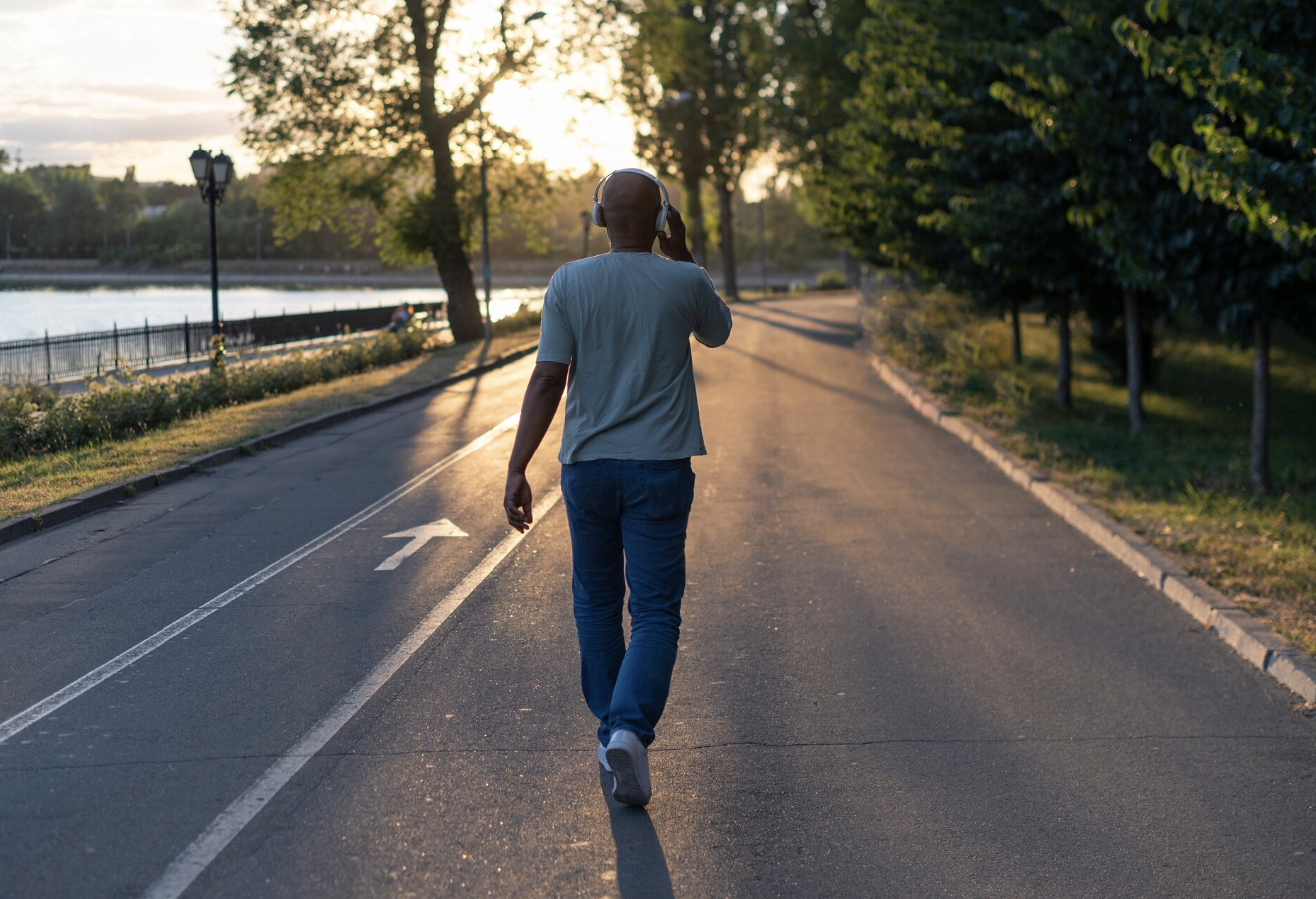
You finish lunch, clean up your plate, and sit right back down at your desk or collapse onto the couch. Within an hour, a wave of heaviness hits, leaving you sluggish and hunting for an afternoon snack.
This post-meal slump isn’t just about digestion—it’s driven by a sudden spike in your blood sugar. Luckily, blunting that spike doesn’t require intense cardio or an hour at the gym. A simple 10-minute walk right after eating changes everything.
“I used to get so sleepy after lunch that I could barely keep my eyes open during afternoon meetings. Taking a quick 10-minute stroll around the block sounded too simple to work, but my energy hasn’t crashed once since I started.” — Rachel Vance, 41, Accountant
1. Your Muscles Act Like “Glucose Sponges”
When you digest food, your body breaks carbohydrates down into glucose, which enters your bloodstream. Normally, your pancreas has to release a flood of insulin to move that sugar out of your blood and into your cells.
When you contract your leg muscles by walking, those muscles soak up glucose directly from your blood for instant fuel—without needing extra insulin. This mechanism keeps your blood sugar curve smooth and flat instead of sharp and elevated.
2. You Stop the “Spike-and-Crash” Cycle
Sitting still after a heavy meal allows glucose to pool in your bloodstream, creating a steep peak followed by a dramatic drop. That sudden crash is what triggers intense cravings, brain fog, and irritability around 3 PM.
Moving right away keeps your circulation active, spreading out energy delivery so you stay alert without the sudden drop.
“My doctor recommended a short post-meal walk to manage my sugar levels. It takes almost no effort, but my daily energy is noticeably more consistent.” — Arthur Pendelton, 62, Retired Administrator
3. How to Make the 10-Minute Habit Stick
-
Timing beats intensity: You don’t need to power-walk or break a sweat. A casual, easy-paced stroll works perfectly, as long as you start within 15–20 minutes of finishing your meal.
-
Keep it flexible: Bad weather? Pace around your living room, walk up and down a hallway, or tidy up the kitchen. Any light movement counts.
-
Anchor it to lunch: Make it a rule that your workday break ends with a brief 10-minute loop outside before you sit back down at your computer.
Fitness
When Was the Last Time You Gave Your Brain Something New to Solve?
We wake up, answer messages, work through familiar routines, and make many of the same decisions we’ve made before.

Fitness
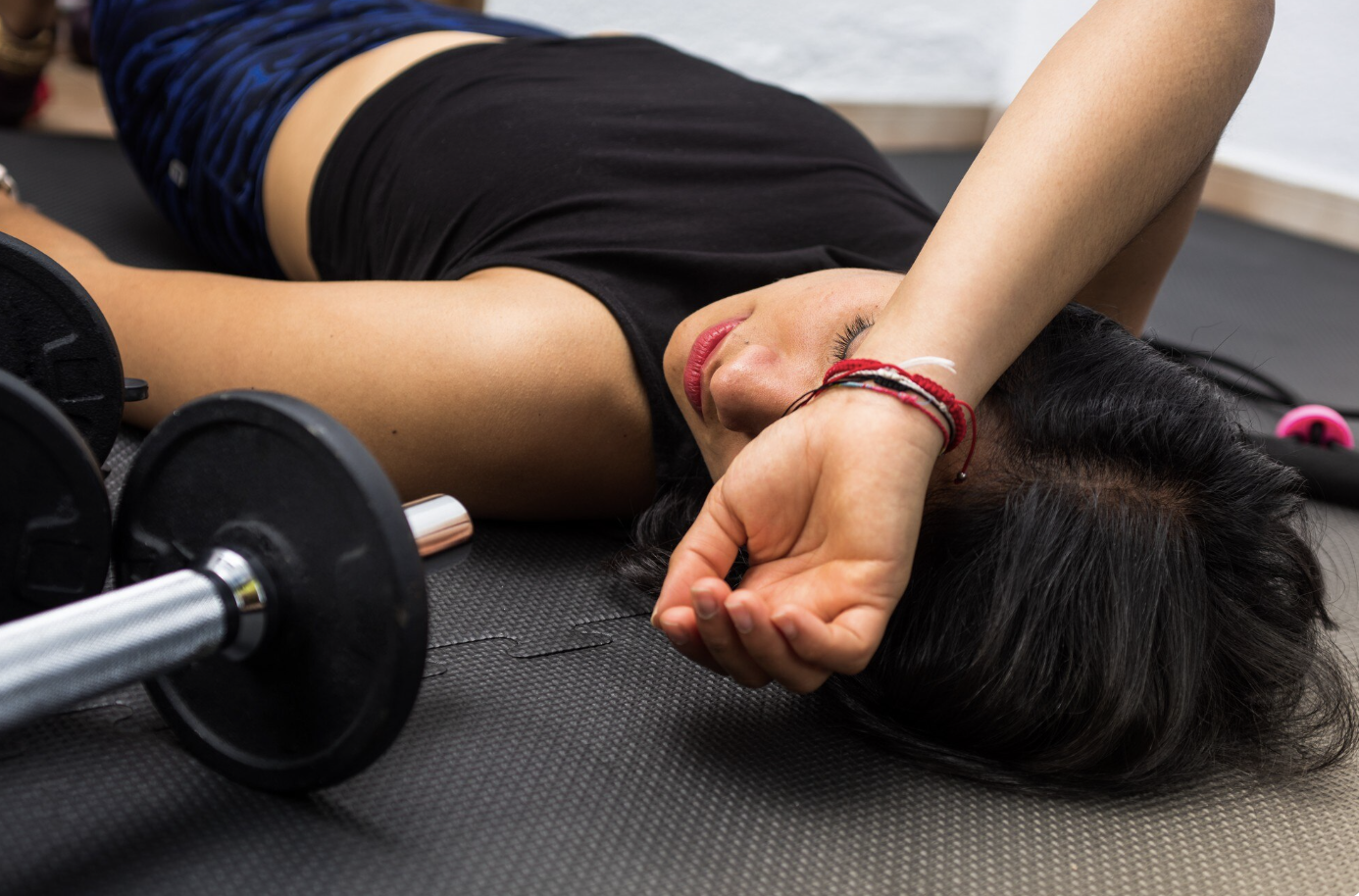
Why So Many People Wake Up Tired — Even After a Full Night’s Sleep
Ever wake up after what should have been a good night’s sleep… only to feel like you could go right back to bed?


What 10 Minutes of Walking Immediately After Meals Does to Your Blood Sugar?

The 60-Second Reset #01: A 10-Second Fix for Screen-Strained Eyes

Hot vs Cold Therapy: Harnessing Thermal Stress for Metabolic and Mental Resilience

The Vagus Nerve & Nervous System Regulation: Taming the Unseen Stress Response

The 50+ Turning Point: Why Midlife is Ground Zero for Long-Term Vitality

What’s One Piece of Health Advice That Actually Worked for You?

Can Small Sleep Changes Improve Mental Sharpness? Here’s What Researchers Are Learning

The Optical Dilation Trick: How Expanding Your Vision Resets Desk Eye Strain and Anxiety
The Vagus Nerve & Nervous System Regulation: Taming the Unseen Stress Response
Hot vs Cold Therapy: Harnessing Thermal Stress for Metabolic and Mental Resilience
-

 Fitness3 months ago
Unexpected Health Habit: Not a Diet or Supplement – Just One Everyday Habit Worth Noticing
-
 Health4 months ago
What Your Hands Quietly Reveal About Your Digestion (And How To Use It)
-
 Fitness4 months ago
5 Health Myths Most Adults Still Believe And What Actually Matters Instead
-

 Health3 months ago
Have You Ever Wondered Why Homemade Meals Rarely Taste the Same?
-
 Fitness4 months ago
Experts Reveal: The 1-Minute Routine That Improves Digestion Instantly
-
 Health3 months ago
“Lazy Meal Prep”: The easier way people are actually sticking to healthy eating
-
 Health4 months ago
You Slept 8 Hours… So Why Do You Still Feel Exhausted?
-
 Health2 months ago
How Many Steps a Day Actually Matter for Longevity – 5K or 15K?