
Nutrition
How to Meal Prep Like a Pro for a Healthier Week
Mastering meal prepping involves strategic planning, smart shopping, efficient cooking, and proper storage.
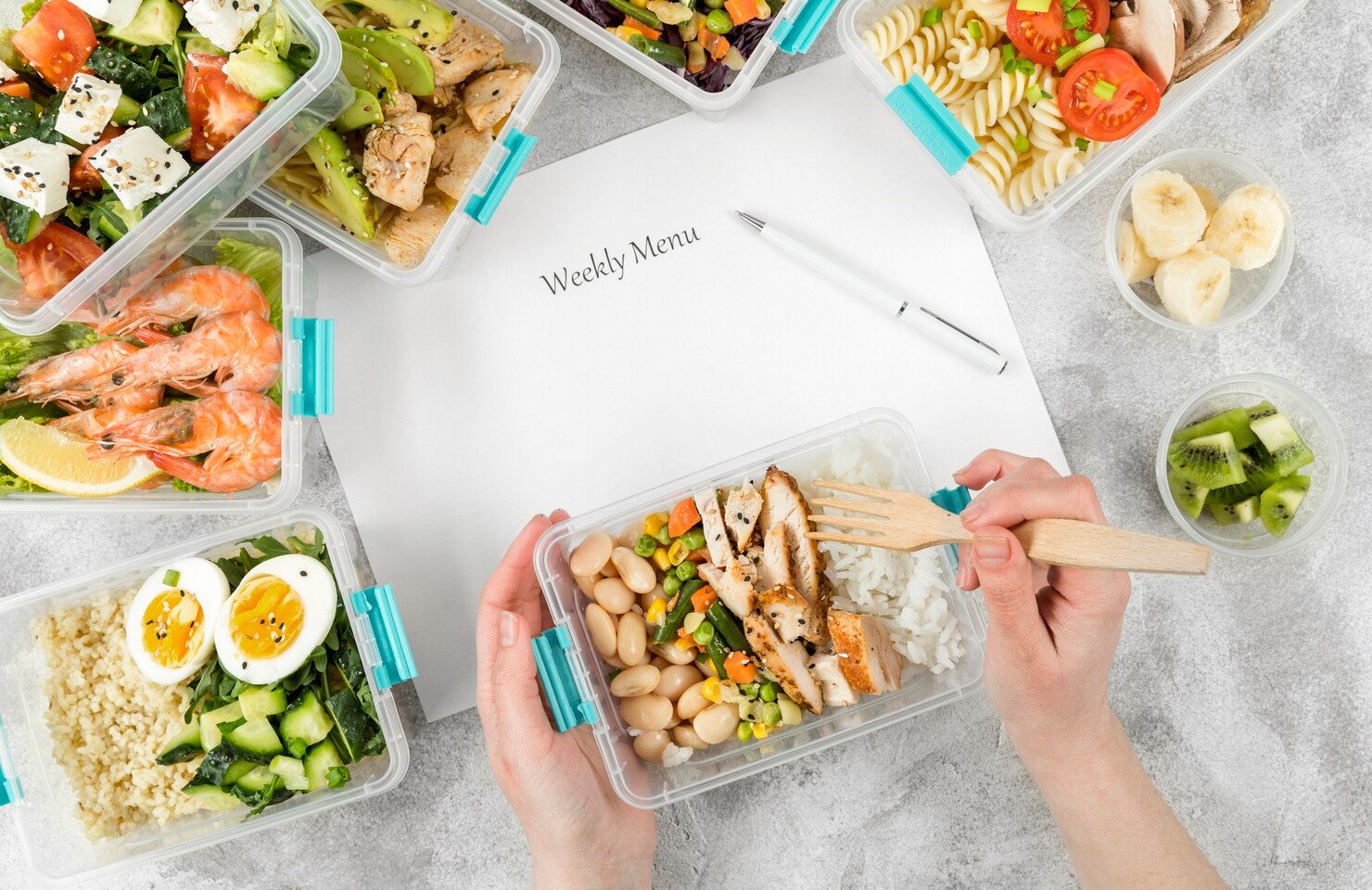
Meal prepping – the art of preparing meals in advance – has become a game-changer for busy individuals seeking to eat healthier, save money, and reduce food waste. But simply throwing a few containers in the fridge isn’t enough to reap the full benefits. To truly meal prep like a pro, you need a strategic approach. This guide will walk you through the steps to master meal prepping and transform your week.
Planning Your Culinary Conquest: The Key to Success
Before you even think about chopping vegetables or firing up the stove, the planning phase is paramount. This is where you lay the foundation for a successful week of healthy eating.
- Set Your Goals: What are you hoping to achieve with meal prepping? Weight loss? Saving money? Eating more balanced meals? Defining your goals will guide your choices.
- Choose Your Meals: Decide which meals you want to prep. Breakfasts, lunches, and dinners are the most common candidates. Consider your schedule and how much time you have available each day.
- Pick Your Recipes: Select recipes that are healthy, delicious, and easy to prepare in bulk. Look for recipes that use similar ingredients to minimize waste and streamline the cooking process. Don’t be afraid to experiment with new flavors, but start with familiar favorites to build confidence.
- Create a Shopping List: Once you’ve chosen your recipes, create a detailed shopping list. This will help you stay organized at the grocery store and avoid impulse purchases. Check your pantry and fridge first to avoid buying duplicates.
The Grocery Store Gauntlet: Smart Shopping Strategies
Armed with your shopping list, it’s time to conquer the grocery store. A strategic approach here can save you time and money.
- Shop on a Full Stomach: Avoid grocery shopping when you’re hungry, as this can lead to impulse buys and unhealthy cravings.
- Stick to Your List: Resist the temptation to stray from your carefully crafted shopping list. This will help you stay on track with your meal prep goals and avoid unnecessary spending.
- Buy in Bulk (Wisely): Consider buying staples like grains, nuts, and spices in bulk to save money. However, be mindful of perishable items and only buy what you’ll use.
- Choose Fresh, Seasonal Produce: Opt for fruits and vegetables that are in season for the best flavor and value.
The Cooking Blitz: Efficient Techniques for Mass Production
Now for the main event: the cooking phase. This is where your planning and shopping efforts come to fruition.
- Set Aside Dedicated Time: Choose a day and time that works best for you to dedicate to meal prepping. Many people find that Sunday afternoons are ideal.
- Prep Ingredients in Advance: Wash, chop, and portion out all your ingredients before you start cooking. This will make the cooking process much smoother and more efficient.
- Batch Cooking is Key: Cook large batches of grains, proteins, and vegetables to save time. You can use the oven, stovetop, or slow cooker for this.
- Multi-Task Like a Pro: While one dish is cooking, you can prepare another. This will maximize your time and get your meal prepping done faster.
- Don’t Forget the Flavor: Season your food generously with herbs, spices, and other flavor enhancers. Healthy food doesn’t have to be bland!
Container Mania: The Art of Portioning and Storage
Once your meals are cooked, it’s time to portion them out and store them properly. This is crucial for maintaining freshness and preventing food waste.
- Invest in Quality Containers: Choose airtight, reusable containers that are appropriate for the types of food you’re prepping. Glass containers are a good option for reheating food, while plastic containers are often more portable.
- Portion Control: Divide your meals into individual portions to help you manage your calorie intake and avoid overeating.
- Label Everything: Clearly label each container with the name of the meal and the date it was prepared. This will help you keep track of what you have and prevent food from going bad.
- Proper Storage: Store your prepped meals in the refrigerator or freezer, depending on how long you plan to keep them.
Maintaining the Momentum: Tips for Long-Term Success
Meal prepping is a lifestyle, not a one-time event. To make it a sustainable habit, consider these tips:
- Start Small: If you’re new to meal prepping, start with just a few meals a week and gradually increase the number as you get more comfortable.
- Keep it Varied: Don’t be afraid to try new recipes and experiment with different flavors. This will keep your meals interesting and prevent boredom.
- Don’t Be Afraid to Fail: Everyone has meal prep fails from time to time. Don’t get discouraged. Learn from your mistakes and keep going.
- Make it a Habit: Consistency is key. Make meal prepping a regular part of your routine, and you’ll soon reap the rewards of a healthier, more organized lifestyle.
By following these tips, you can transform your meal-prepping game and enjoy the many benefits of a well-planned and executed approach to healthy eating. Happy prepping!
Fitness
What 10 Minutes of Walking Immediately After Meals Does to Your Blood Sugar?
Blunting that spike doesn’t require intense cardio or an hour at the gym. A simple 10-minute walk right after eating changes everything.

You finish lunch, clean up your plate, and sit right back down at your desk or collapse onto the couch. Within an hour, a wave of heaviness hits, leaving you sluggish and hunting for an afternoon snack.
This post-meal slump isn’t just about digestion—it’s driven by a sudden spike in your blood sugar. Luckily, blunting that spike doesn’t require intense cardio or an hour at the gym. A simple 10-minute walk right after eating changes everything.
“I used to get so sleepy after lunch that I could barely keep my eyes open during afternoon meetings. Taking a quick 10-minute stroll around the block sounded too simple to work, but my energy hasn’t crashed once since I started.” — Rachel Vance, 41, Accountant
1. Your Muscles Act Like “Glucose Sponges”
When you digest food, your body breaks carbohydrates down into glucose, which enters your bloodstream. Normally, your pancreas has to release a flood of insulin to move that sugar out of your blood and into your cells.
When you contract your leg muscles by walking, those muscles soak up glucose directly from your blood for instant fuel—without needing extra insulin. This mechanism keeps your blood sugar curve smooth and flat instead of sharp and elevated.
2. You Stop the “Spike-and-Crash” Cycle
Sitting still after a heavy meal allows glucose to pool in your bloodstream, creating a steep peak followed by a dramatic drop. That sudden crash is what triggers intense cravings, brain fog, and irritability around 3 PM.
Moving right away keeps your circulation active, spreading out energy delivery so you stay alert without the sudden drop.
“My doctor recommended a short post-meal walk to manage my sugar levels. It takes almost no effort, but my daily energy is noticeably more consistent.” — Arthur Pendelton, 62, Retired Administrator
3. How to Make the 10-Minute Habit Stick
-
Timing beats intensity: You don’t need to power-walk or break a sweat. A casual, easy-paced stroll works perfectly, as long as you start within 15–20 minutes of finishing your meal.
-
Keep it flexible: Bad weather? Pace around your living room, walk up and down a hallway, or tidy up the kitchen. Any light movement counts.
-
Anchor it to lunch: Make it a rule that your workday break ends with a brief 10-minute loop outside before you sit back down at your computer.
Health
The 15-Minute Grid: The Ultimate Meal Prep Framework for Busy Weeks
Most meal prep guides ask you to sacrifice your entire Sunday standing over a hot stove, cooking 5 identical containers.
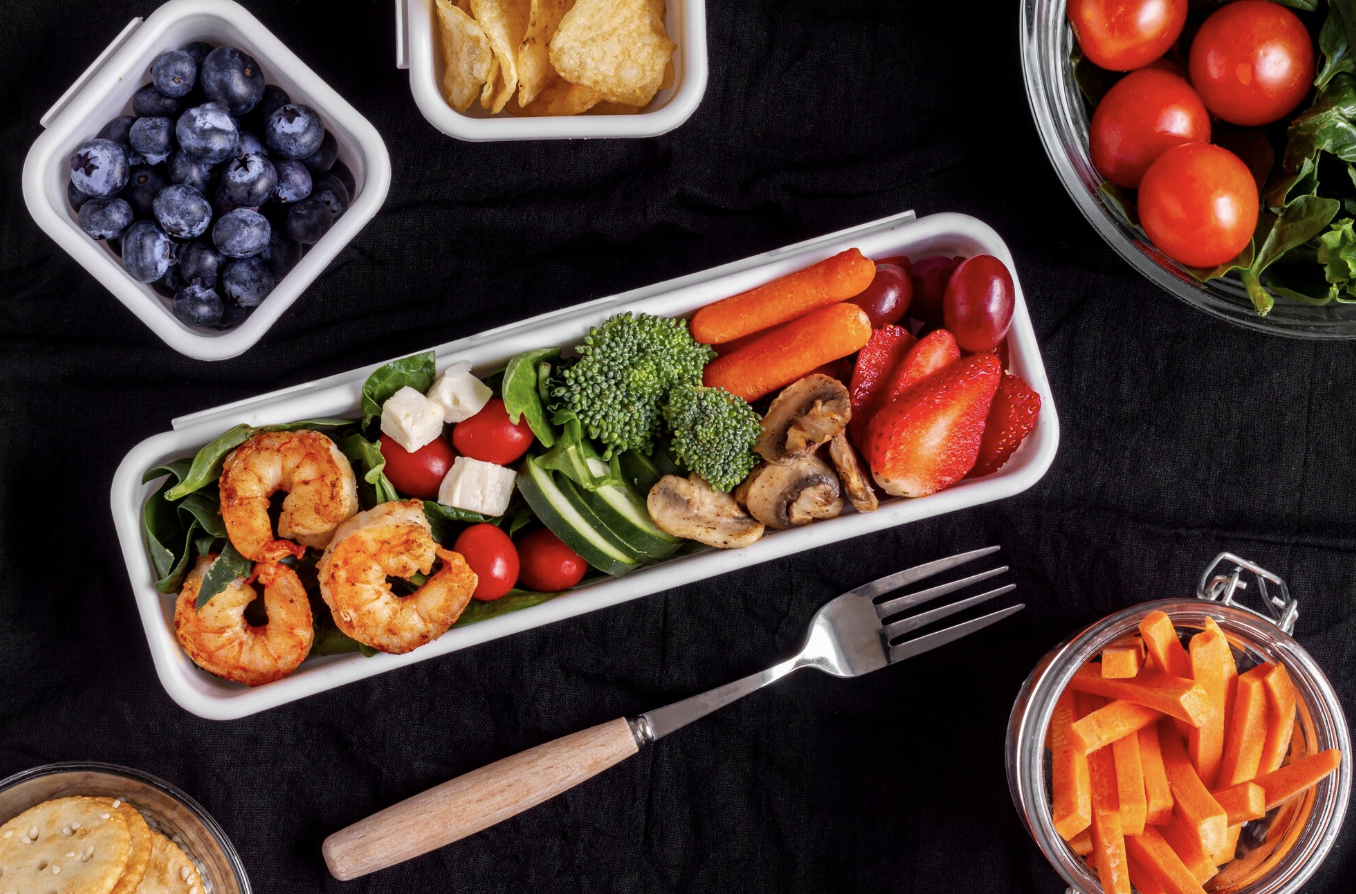
Most meal prep guides ask you to sacrifice your entire Sunday standing over a hot stove, cooking 5 identical containers of dry chicken, cold rice, and soggy broccoli.
By Wednesday, you’d rather order takeaway than eat container #3.
Real productivity isn’t about cooking full meals in advance—it’s about preparing building blocks.
Welcome to the “Component Method”: a 15-minute, zero-boredom system designed to give you endless meal combinations during your busiest workweeks.
Phase 1: The “3×3 Component Matrix”
Instead of cooking complete recipes, prepare 3 bases, 3 proteins, and 3 flavor sauces. Mix and match them across 5 days so you never eat the exact same meal twice.
| Day | Base (Prep Once) | Protein (Prep Once) | Sauce/Topping (Prep Once) | Resulting Meal |
| Mon | Quinoa / Roasted Rice | Grilled Chicken Strips | Chimichurri | South American Grain Bowl |
| Tue | Shredded Cabbage / Greens | Crispy Baked Tofu / Beef | Spicy Peanut Sauce | Crunchy Asian Style Salad |
| Wed | Whole Wheat Wraps | Grilled Chicken Strips | Garlic Yogurt Sauce | Mediterranean Gyro Wrap |
| Thu | Quinoa / Roasted Rice | Crispy Baked Tofu / Beef | Chimichurri | Warm Protein Power Plate |
| Fri | Mixed Veggies & Greens | Choice of Protein | Peanut + Garlic Blend | End-of-Week Loaded Stir-Fry |
Phase 2: The “Batch & Blast” Cooking Protocol (30 Mins Total)
Instead of using four different pans, optimize your kitchen pipeline:
-
The Oven Sheet-Pan Rule: Line a large sheet pan with foil. Place seasoned protein on one side, chopped veggies on the other. Roast at 200°C (400°F) for 20 minutes. Done.
-
The Passive Grain: Boil your quinoa, rice, or farro on the stovetop while the oven is running. Zero active intervention required.
-
No-Cook Sauces: Whisk 3 ingredients in small jars (e.g., Olive Oil + Lemon + Garlic, or Peanut Butter + Soy Sauce + Lime).
Phase 3: The 3 Rules of Zero-Sog Storage
Rule #1: Separate Wet from Dry
Never mix dressing or sauces into stored meals. Keep them in small separate jars and dress right before eating.
Rule #2: The Paper Towel Trick
Line leafy green containers with a sheet of paper towel to absorb ambient humidity. Keeps greens fresh for 7+ days.
Rule #3: Hot-to-Cold Air Circulation
Let cooked components reach room temperature before snapping the lid on. Sealing hot food creates steam, which leads to soggy textures and faster spoilage.
Health
Hydration Does More Than Quench Thirst—It May Help Your Mind Stay Sharper
Most of us blame a busy schedule, or poor sleep. But there’s another everyday factor that’s surprisingly easy to overlook: hydration.

Most people think about drinking water when they’re thirsty, exercising, or spending time in the heat. But hydration isn’t just about supporting your muscles or preventing fatigue—it also plays an important role in how well your brain works.
Have you ever reached the middle of the afternoon and suddenly struggled to focus on a task you’ve done hundreds of times? Maybe you’ve reread the same email several times or forgotten why you walked into a room. It’s easy to blame stress or lack of sleep, but hydration is another factor that’s often overlooked.
One thing I’ve noticed while researching brain health is that hydration rarely gets as much attention as nutrition or sleep, even though it’s something we can improve almost immediately. Many people don’t realize that even mild dehydration can temporarily affect concentration, mood, and mental performance.
Let’s explore why your brain needs water and how staying hydrated can help you think more clearly throughout the day.
Why Your Brain Needs Water
Water makes up roughly three-quarters of the human brain. While that doesn’t mean drinking extra water instantly boosts intelligence, it does highlight how important proper fluid balance is for normal brain function.
Your brain relies on water to help:
- Deliver oxygen and nutrients to brain cells
- Remove waste products
- Support communication between nerve cells
- Maintain healthy blood flow
- Regulate body temperature
When your body doesn’t have enough fluids, these processes can become less efficient, making mental tasks feel more difficult than usual.
How Mild Dehydration Can Affect Mental Performance
You don’t have to be severely dehydrated before your brain begins to notice.
Research suggests that even losing a small percentage of body water may temporarily affect certain aspects of cognitive performance, especially during mentally demanding activities or hot weather.
Some common effects include:
- Reduced concentration
- Slower reaction time
- Difficulty remembering information
- Mental fatigue
- Increased feelings of irritability
- Headaches
- Trouble solving complex problems
These symptoms don’t necessarily mean dehydration is the only cause, but it’s one factor that’s surprisingly easy to overlook.
Why Brain Fog Sometimes Has a Simple Explanation
Brain fog isn’t a medical diagnosis. It’s a term many people use to describe feeling mentally sluggish or unfocused.
While poor sleep, stress, illness, medications, and nutritional deficiencies can all contribute, inadequate hydration may also play a role.
Imagine trying to work through an important project after several hours without drinking water. Instead of thinking clearly, you might find yourself:
- Losing your train of thought
- Making simple mistakes
- Taking longer to complete familiar tasks
- Feeling unusually tired
Sometimes a short break and a glass of water won’t solve everything—but if dehydration is contributing, it can certainly help.
Hydration and Mood Go Hand in Hand
Mental performance isn’t only about memory and concentration.
Hydration also appears to influence mood.
Some studies have found that mild dehydration may increase feelings of:
- Irritability
- Anxiety
- Fatigue
- Reduced motivation
This doesn’t mean drinking more water is a treatment for anxiety or depression. Mental health is influenced by many factors. However, staying properly hydrated is one healthy habit that supports overall well-being.
Does Coffee Count?
This is one of the questions people ask most often.
The good news is that coffee and tea do contribute to your daily fluid intake. Although caffeine has a mild diuretic effect, moderate amounts generally do not cause dehydration in people who regularly consume caffeinated beverages.
That said, water remains the simplest choice because it hydrates without added sugar or calories.
If you drink several cups of coffee each day, it’s still a good idea to include plain water throughout the day.
How Much Water Do You Really Need?
There’s no single number that works for everyone.
Your hydration needs depend on factors such as:
- Age
- Body size
- Activity level
- Climate
- Overall health
- Pregnancy or breastfeeding
The U.S. National Academies of Sciences, Engineering, and Medicine suggests that adequate daily fluid intake from beverages and food is approximately:
- Men: About 3.7 liters (125 ounces) per day
- Women: About 2.7 liters (91 ounces) per day
These totals include fluids from both drinks and water-rich foods like fruits and vegetables.
Rather than focusing only on a specific number, pay attention to your body’s signals. Pale yellow urine, regular thirst cues, and consistent energy levels are often signs you’re staying reasonably hydrated.
Everyday Habits That Make Staying Hydrated Easier
You don’t need expensive drinks or complicated routines.
Simple habits often work best:
Start Your Morning with Water
After several hours of sleep, your body has gone without fluids. Drinking a glass of water soon after waking can help replenish what’s been lost overnight.
Keep Water Within Reach
People tend to drink more water when it’s easily accessible. A reusable water bottle on your desk or in your bag can serve as a helpful reminder.
Eat Water-Rich Foods
Many fruits and vegetables naturally contain a high percentage of water, including:
- Watermelon
- Cucumbers
- Strawberries
- Oranges
- Lettuce
- Celery
These foods contribute to your daily fluid intake while providing vitamins, minerals, and fiber.
Drink Before You Feel Extremely Thirsty
Thirst is an important signal, but waiting until you’re very thirsty may mean you’re already mildly dehydrated.
Taking small sips throughout the day can be easier than trying to drink large amounts all at once.
Increase Fluids During Exercise and Hot Weather
Sweating increases fluid loss. If you’re active outdoors or exercising, you’ll likely need more water than usual. During prolonged or intense exercise, beverages containing electrolytes may also be appropriate.
Other Factors That Affect Mental Sharpness
Hydration is only one piece of the puzzle.
Your brain also benefits from:
- Consistent sleep
- Regular physical activity
- A balanced diet
- Stress management
- Social interaction
- Challenging your mind through learning and problem-solving
When these healthy habits work together, they create a stronger foundation for cognitive health.
Common Questions
Can drinking more water instantly improve concentration?
If dehydration is contributing to poor focus, drinking water may help you feel better as your body rehydrates. However, concentration is influenced by many factors, including sleep, nutrition, stress, and underlying health conditions.
Is thirst the best indicator of dehydration?
Not always. Some people, especially older adults, may not feel thirsty until they’re already somewhat dehydrated. Developing regular drinking habits can help.
Can you drink too much water?
Yes. Although uncommon, consuming excessive amounts of water in a short period can dilute sodium levels in the blood, a potentially serious condition called hyponatremia. Most people should aim for steady hydration rather than excessive intake.
Key Takeaways
- Your brain relies on adequate hydration to function efficiently.
- Even mild dehydration may temporarily affect concentration, memory, mood, and mental performance.
- Water isn’t a cure for every case of brain fog, but it’s an often-overlooked contributor to mental clarity.
- Coffee and tea can count toward daily fluid intake, though water remains the best everyday choice.
- Hydration needs vary from person to person based on lifestyle, environment, and health.
- Pair good hydration with quality sleep, balanced nutrition, and regular exercise for better overall cognitive health.
Conclusion
Hydration may seem like one of the simplest aspects of a healthy lifestyle, yet its impact on mental performance is often underestimated. Your brain depends on a steady supply of fluids to support focus, memory, decision-making, and mood. Even a small drop in hydration can leave you feeling less alert than usual.
The encouraging part is that this is one of the easiest healthy habits to improve. Keeping water nearby, choosing water-rich foods, and drinking consistently throughout the day can support both your physical health and your ability to think clearly.
If you’ve been struggling with occasional brain fog or difficulty concentrating, hydration is worth considering alongside other important factors like sleep, nutrition, and stress management. Small daily habits often add up, and giving your brain the water it needs is a simple step toward feeling more focused, energized, and ready for whatever the day brings.


What 10 Minutes of Walking Immediately After Meals Does to Your Blood Sugar?

The 60-Second Reset #01: A 10-Second Fix for Screen-Strained Eyes

Hot vs Cold Therapy: Harnessing Thermal Stress for Metabolic and Mental Resilience

The Vagus Nerve & Nervous System Regulation: Taming the Unseen Stress Response

The 50+ Turning Point: Why Midlife is Ground Zero for Long-Term Vitality

What’s One Piece of Health Advice That Actually Worked for You?

Can Small Sleep Changes Improve Mental Sharpness? Here’s What Researchers Are Learning

The Optical Dilation Trick: How Expanding Your Vision Resets Desk Eye Strain and Anxiety
The Vagus Nerve & Nervous System Regulation: Taming the Unseen Stress Response
Hot vs Cold Therapy: Harnessing Thermal Stress for Metabolic and Mental Resilience
-

 Fitness3 months ago
Unexpected Health Habit: Not a Diet or Supplement – Just One Everyday Habit Worth Noticing
-
 Health4 months ago
What Your Hands Quietly Reveal About Your Digestion (And How To Use It)
-
 Fitness4 months ago
5 Health Myths Most Adults Still Believe And What Actually Matters Instead
-

 Health3 months ago
Have You Ever Wondered Why Homemade Meals Rarely Taste the Same?
-
 Fitness4 months ago
Experts Reveal: The 1-Minute Routine That Improves Digestion Instantly
-
 Health3 months ago
“Lazy Meal Prep”: The easier way people are actually sticking to healthy eating
-
 Health4 months ago
You Slept 8 Hours… So Why Do You Still Feel Exhausted?
-
 Health2 months ago
How Many Steps a Day Actually Matter for Longevity – 5K or 15K?