
Fitness
Is Meal Timing the Key to Weight Loss?

In the realm of weight loss strategies, time-restricted eating has emerged as a popular approach, capturing the attention of both researchers and individuals seeking effective ways to shed pounds. The concept is simple: confine your daily food intake to a specific window of time, such as 8 hours, and abstain from eating outside of that period.
However, a recent study from the Johns Hopkins University School of Medicine adds a nuanced perspective to the ongoing debate surrounding time-restricted eating. Published in the Annals of Internal Medicine, the study suggests that the timing of meals may not be the key factor driving weight loss outcomes. Instead, the amount of calories consumed appears to play a more significant role.
Research Insights and Surprising Results

Led by Dr. Nisa Maruthur, the research team conducted a randomized trial involving 41 participants, primarily Black women, who had obesity and were either prediabetic or diabetic. Over a 12-week period, participants were provided with prepared meals tailored to their individual calorie needs.
The results were surprising. Despite the differing meal timing, both groups experienced similar degrees of weight loss by the end of the study. On average, participants in the time-restricted eating group lost around 5.1 pounds, while those in the regular eating group lost approximately 5.7 pounds.
Implications and Limitations

These findings challenge the prevailing notion that the timing of meals alone drives the benefits of time-restricted eating. Instead, they suggest that the primary mechanism underlying weight loss in this approach may be the reduction in overall calorie intake. While this study offers valuable insights, it is not without limitations. Critics point out that the controlled setting of the trial may not fully reflect real-world conditions, where individuals must manage their own diets without prepared meals.
Nevertheless, the study adds to the growing body of evidence on time-restricted eating and underscores the importance of considering individual factors in weight loss strategies. While meal timing may play a role for some individuals, others may benefit more from focusing on calorie control.
As the debate continues, researchers will undoubtedly delve deeper into the intricacies of time-restricted eating and its impact on human health. In the meantime, individuals seeking weight loss strategies should consult with healthcare professionals to determine the most suitable approach for their needs.
Exploring the Science Behind Time-Restricted Eating

To understand the implications of the study’s findings, it’s essential to delve into the science behind time-restricted eating. Proponents of this approach argue that by limiting the window of time during which one consumes food, the body’s metabolic processes can be optimized for weight loss and overall health.
One proposed mechanism is related to the body’s circadian rhythm, which regulates various physiological processes, including metabolism and sleep-wake cycles. Advocates of time-restricted eating suggest that aligning meal timing with the body’s natural circadian rhythm may enhance metabolic efficiency and promote weight loss.
The Role of Caloric Restriction
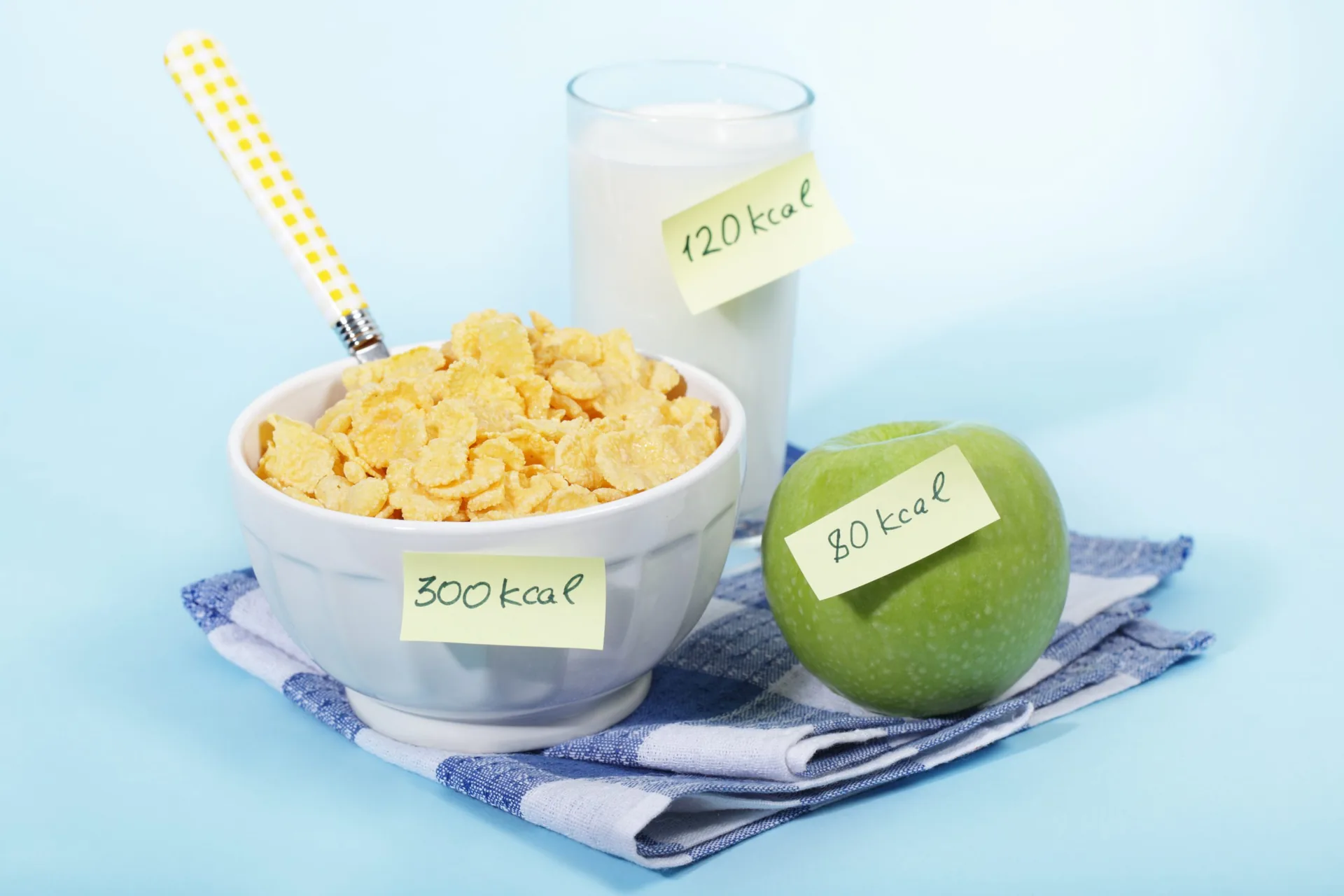
While the concept of time-restricted eating emphasizes the timing of meals, research suggests that the amount of calories consumed remains a critical factor in determining weight loss outcomes. The study conducted at Johns Hopkins University School of Medicine supports this notion, demonstrating that controlling calorie intake is key to achieving weight loss, regardless of meal timing.
Caloric restriction has long been recognized as a potent strategy for weight management. By consuming fewer calories than the body expends, individuals create a calorie deficit, leading to weight loss over time. Whether achieved through time-restricted eating or traditional calorie counting, the fundamental principle remains the same: to lose weight, one must consume fewer calories than one burns.
Personalization and Individual Variability

Despite the growing body of research on time-restricted eating and caloric restriction, it’s essential to recognize that individual responses to these dietary strategies can vary significantly. Factors such as age, sex, genetics, metabolic rate, and lifestyle habits can all influence how the body responds to changes in meal timing and calorie intake.
For some individuals, time-restricted eating may prove effective in promoting weight loss and improving metabolic health. Others may find greater success with alternative approaches, such as reducing portion sizes, increasing physical activity, or adopting a balanced diet rich in whole foods.
Integrating Time-Restricted Eating into Daily Life

For those interested in exploring time-restricted eating as a weight loss strategy, several practical tips can help integrate this approach into daily life. Start by establishing a consistent eating window that aligns with your schedule and preferences. Experiment with different fasting and feeding periods to find what works best for you.
Focus on consuming nutrient-dense foods during your eating window, including lean proteins, fruits, vegetables, whole grains, and healthy fats. Minimize the intake of processed foods, sugary beverages, and snacks high in refined carbohydrates and unhealthy fats.
Stay hydrated throughout the day by drinking plenty of water, herbal teas, and other calorie-free beverages. Be mindful of portion sizes and avoid overeating during your eating window, as consuming excessive calories can undermine weight loss efforts.
In conclusion, while the debate surrounding time-restricted eating continues, the latest research suggests that the timing of meals may not be the primary determinant of weight loss success. Instead, controlling calorie intake appears to play a more significant role in achieving and maintaining a healthy weight. As with any dietary strategy, individualization and personalized guidance are key to long-term success. By consulting with healthcare professionals and adopting evidence-based approaches, individuals can embark on their weight loss journey with confidence and clarity.
Have you ever practiced any form of “time-restricted eating?” Which one? How did it work for you? Leave your thoughts in the comments below.


Fitness
What 10 Minutes of Walking Immediately After Meals Does to Your Blood Sugar?
Blunting that spike doesn’t require intense cardio or an hour at the gym. A simple 10-minute walk right after eating changes everything.

You finish lunch, clean up your plate, and sit right back down at your desk or collapse onto the couch. Within an hour, a wave of heaviness hits, leaving you sluggish and hunting for an afternoon snack.
This post-meal slump isn’t just about digestion—it’s driven by a sudden spike in your blood sugar. Luckily, blunting that spike doesn’t require intense cardio or an hour at the gym. A simple 10-minute walk right after eating changes everything.
“I used to get so sleepy after lunch that I could barely keep my eyes open during afternoon meetings. Taking a quick 10-minute stroll around the block sounded too simple to work, but my energy hasn’t crashed once since I started.” — Rachel Vance, 41, Accountant
1. Your Muscles Act Like “Glucose Sponges”
When you digest food, your body breaks carbohydrates down into glucose, which enters your bloodstream. Normally, your pancreas has to release a flood of insulin to move that sugar out of your blood and into your cells.
When you contract your leg muscles by walking, those muscles soak up glucose directly from your blood for instant fuel—without needing extra insulin. This mechanism keeps your blood sugar curve smooth and flat instead of sharp and elevated.
2. You Stop the “Spike-and-Crash” Cycle
Sitting still after a heavy meal allows glucose to pool in your bloodstream, creating a steep peak followed by a dramatic drop. That sudden crash is what triggers intense cravings, brain fog, and irritability around 3 PM.
Moving right away keeps your circulation active, spreading out energy delivery so you stay alert without the sudden drop.
“My doctor recommended a short post-meal walk to manage my sugar levels. It takes almost no effort, but my daily energy is noticeably more consistent.” — Arthur Pendelton, 62, Retired Administrator
3. How to Make the 10-Minute Habit Stick
-
Timing beats intensity: You don’t need to power-walk or break a sweat. A casual, easy-paced stroll works perfectly, as long as you start within 15–20 minutes of finishing your meal.
-
Keep it flexible: Bad weather? Pace around your living room, walk up and down a hallway, or tidy up the kitchen. Any light movement counts.
-
Anchor it to lunch: Make it a rule that your workday break ends with a brief 10-minute loop outside before you sit back down at your computer.
Fitness
When Was the Last Time You Gave Your Brain Something New to Solve?
We wake up, answer messages, work through familiar routines, and make many of the same decisions we’ve made before.

Fitness
Why So Many People Wake Up Tired — Even After a Full Night’s Sleep
Ever wake up after what should have been a good night’s sleep… only to feel like you could go right back to bed?



What 10 Minutes of Walking Immediately After Meals Does to Your Blood Sugar?

The 60-Second Reset #01: A 10-Second Fix for Screen-Strained Eyes

Hot vs Cold Therapy: Harnessing Thermal Stress for Metabolic and Mental Resilience

The Vagus Nerve & Nervous System Regulation: Taming the Unseen Stress Response

The 50+ Turning Point: Why Midlife is Ground Zero for Long-Term Vitality

What’s One Piece of Health Advice That Actually Worked for You?

Can Small Sleep Changes Improve Mental Sharpness? Here’s What Researchers Are Learning

The Optical Dilation Trick: How Expanding Your Vision Resets Desk Eye Strain and Anxiety
The Vagus Nerve & Nervous System Regulation: Taming the Unseen Stress Response
Hot vs Cold Therapy: Harnessing Thermal Stress for Metabolic and Mental Resilience
-

 Fitness3 months ago
Unexpected Health Habit: Not a Diet or Supplement – Just One Everyday Habit Worth Noticing
-
 Health4 months ago
What Your Hands Quietly Reveal About Your Digestion (And How To Use It)
-
 Fitness4 months ago
5 Health Myths Most Adults Still Believe And What Actually Matters Instead
-

 Health3 months ago
Have You Ever Wondered Why Homemade Meals Rarely Taste the Same?
-
 Fitness4 months ago
Experts Reveal: The 1-Minute Routine That Improves Digestion Instantly
-
 Health3 months ago
“Lazy Meal Prep”: The easier way people are actually sticking to healthy eating
-
 Health4 months ago
You Slept 8 Hours… So Why Do You Still Feel Exhausted?
-

 Health2 months ago
How Many Steps a Day Actually Matter for Longevity – 5K or 15K?