
Fitness
Keto vs. Paleo: Which Diet Fits Your Lifestyle?
Keto Diet and Paleo Diet are 2 popular dietary approaches that emphasize whole, unprocessed foods but differ significantly.
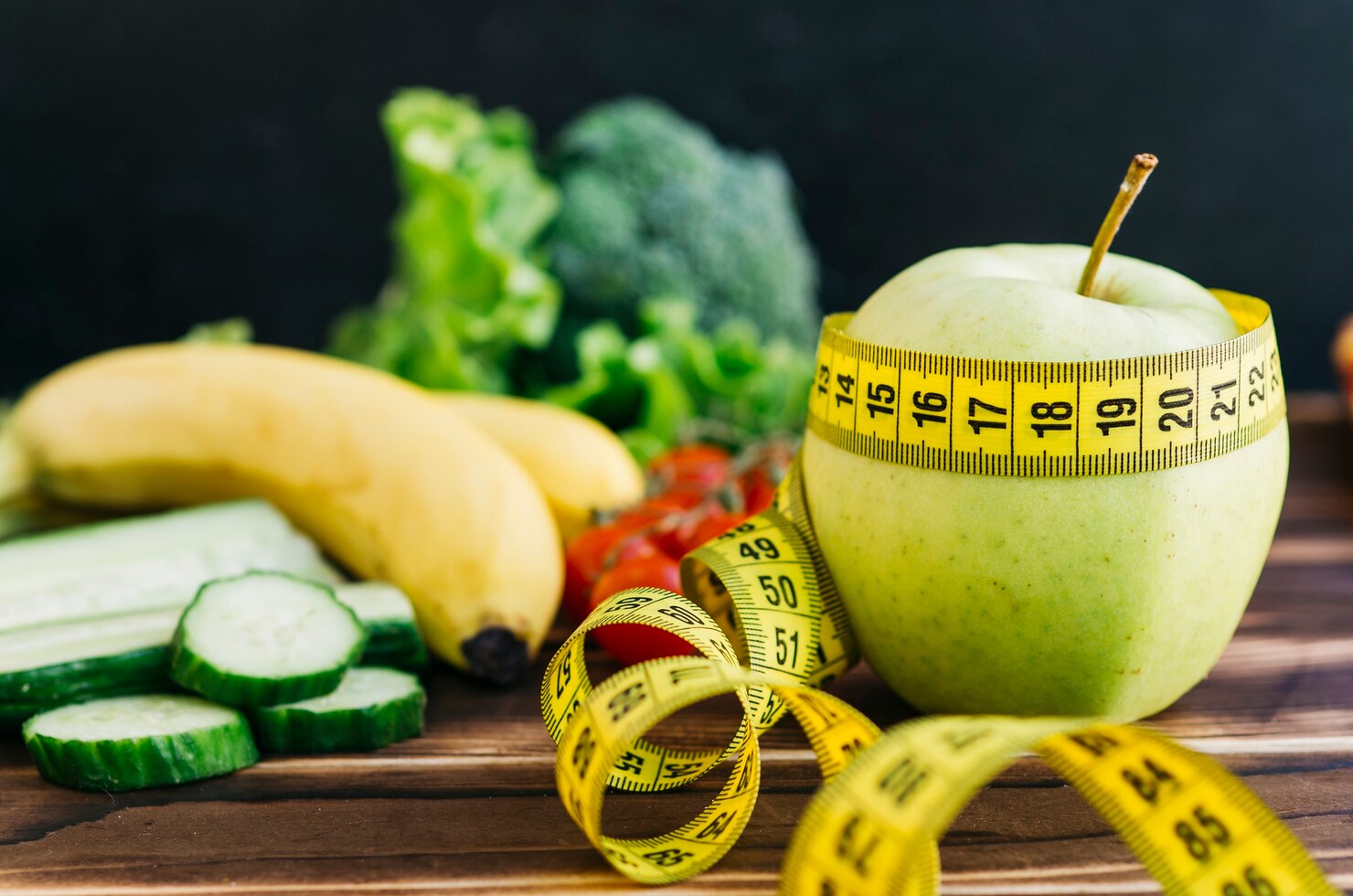
In the world of health and wellness, dietary trends constantly come and go. Two of the most popular diets in recent years are the Keto Diet and the Paleo Diet. While both diets have gained massive popularity for their ability to promote weight loss and improve health, they differ significantly in their approaches to food and nutrition.
But which one is right for you? This comprehensive guide will break down the similarities, differences, benefits, and challenges of each diet, helping you choose the one that best fits your lifestyle.
What is the Keto Diet?
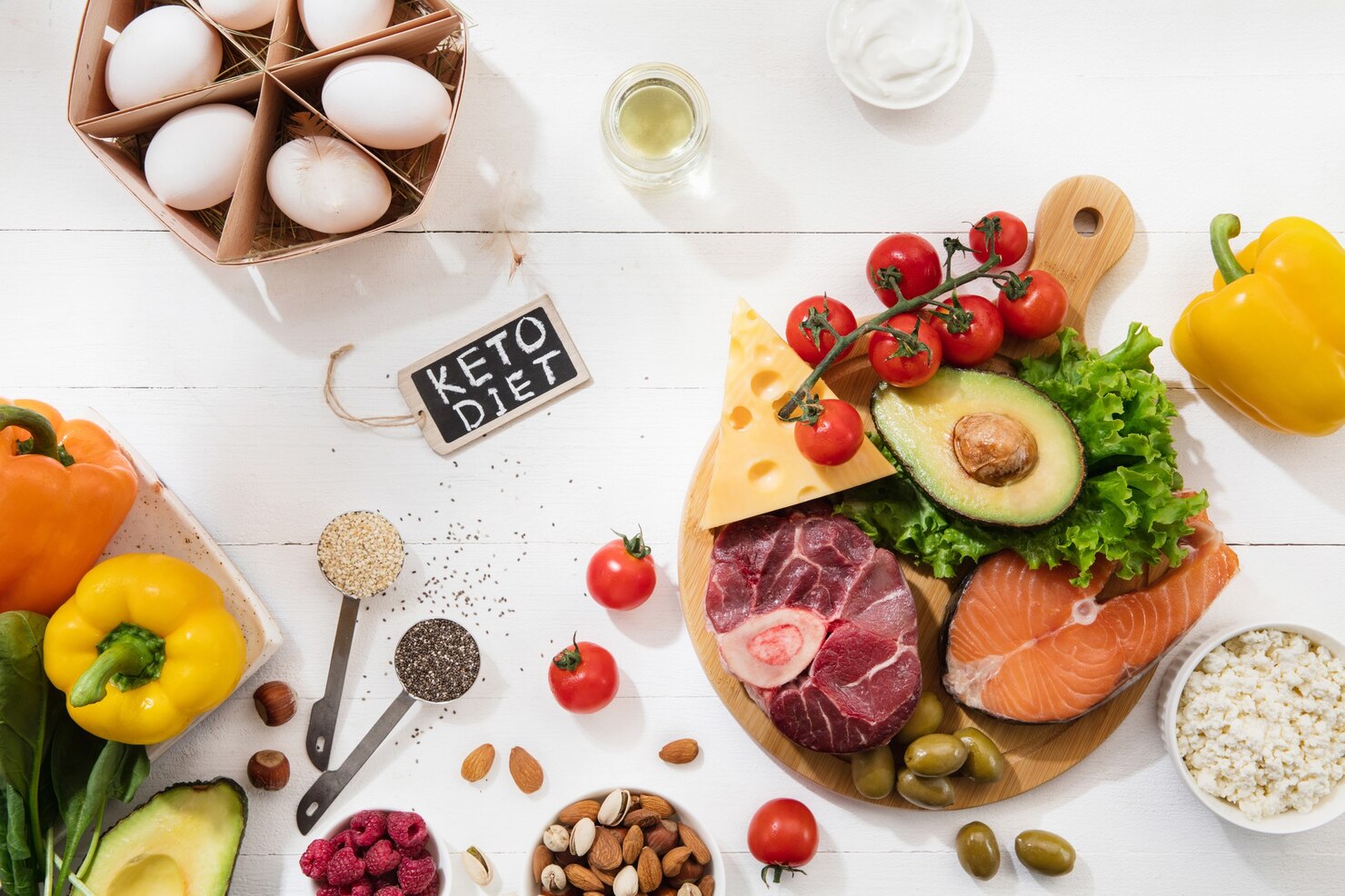
The Keto Diet focuses on drastically reducing carbohydrates and increasing fats to encourage the body to enter a metabolic state called ketosis. In this state, your body burns fat for fuel instead of carbohydrates.
Core Principles of the Keto Diet:
– High Fat, Moderate Protein, Low Carbs: Keto is typically made up of about 70-80% fats, 15-25% protein, and only 5-10% carbs.
– Ketosis: The goal is to reach ketosis, where the body burns fat as its primary energy source instead of glucose (carbs).
– Minimal Carbs: Foods like grains, legumes, fruits, and starchy vegetables are limited to encourage fat burning.
Foods You Can Eat on Keto:
– Fats: Avocados, coconut oil, butter, olive oil, fatty cuts of meat.
– Proteins: Eggs, fatty fish, chicken, beef, pork.
– Low-Carb Vegetables: Leafy greens, cauliflower, zucchini, cucumbers.
Potential Benefits of Keto:
– Weight Loss: By shifting the body to fat burning, keto can lead to quick and sustainable weight loss.
– Improved Blood Sugar Control: Keto may benefit people with type 2 diabetes by stabilizing blood sugar levels.
– Increased Mental Focus: Some individuals report enhanced brain function and mental clarity while on keto.
What is the Paleo Diet?
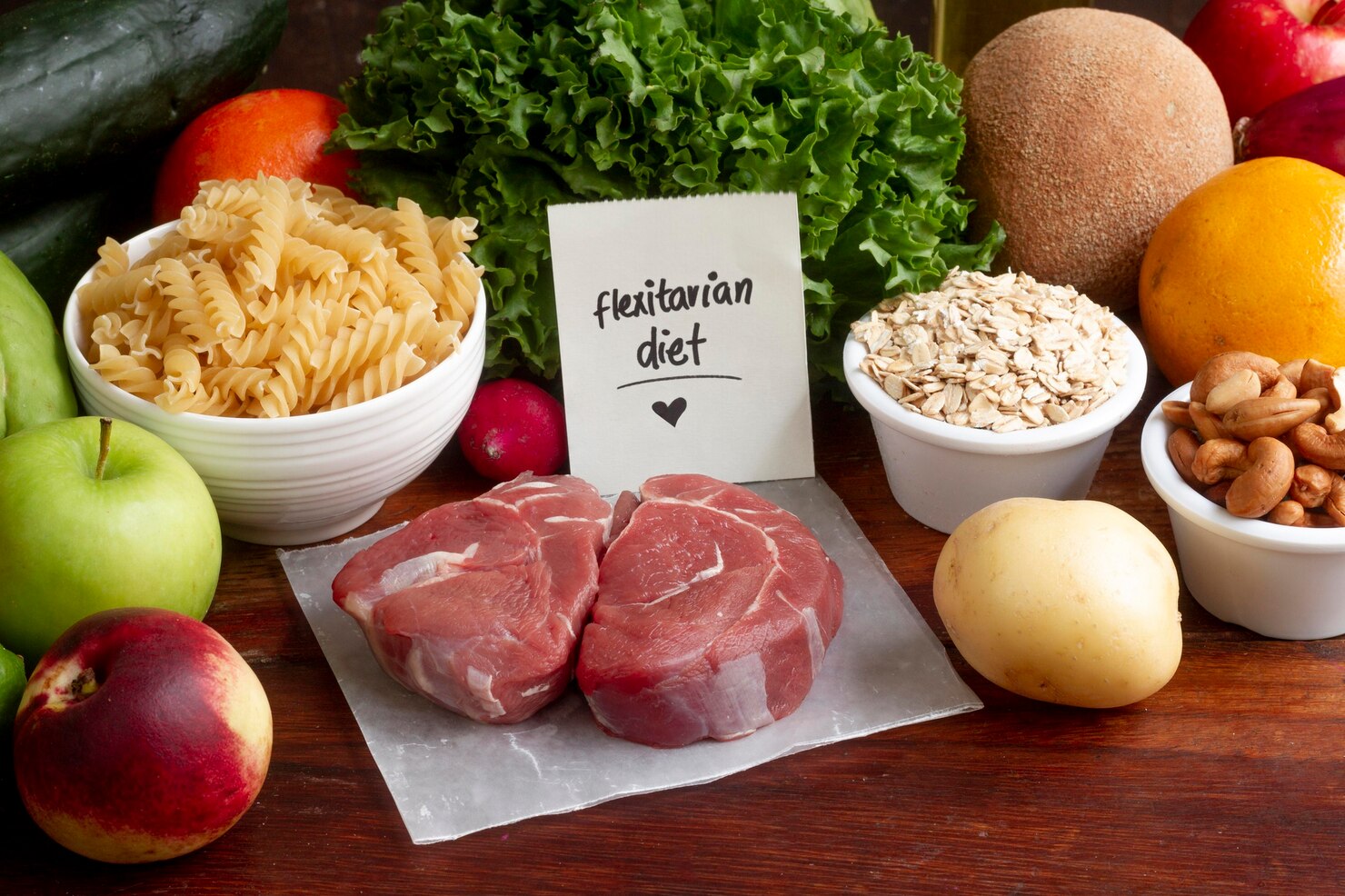
The Paleo Diet, also known as the “Caveman Diet,” is based on the idea of eating foods that would have been available to our pre-agricultural ancestors. The diet emphasizes whole, unprocessed foods and eliminates items that weren’t available during the Paleolithic era, such as grains, legumes, and processed sugars.
Core Principles of the Paleo Diet:
– Whole, Unprocessed Foods: The focus is on eating natural foods like lean meats, fish, fruits, vegetables, and nuts.
– No Dairy or Grains: Unlike keto, which allows certain dairy products, paleo eliminates all dairy, grains, legumes, and processed foods.
– Emphasis on Healthy Fats and Proteins: Similar to keto, the paleo diet encourages the consumption of healthy fats and proteins.
Foods You Can Eat on Paleo:
– Meat and Fish: Grass-fed meats, wild-caught fish, and seafood.
– Fruits and Vegetables: Berries, apples, leafy greens, cruciferous vegetables.
– Nuts and Seeds: Almonds, walnuts, flaxseeds, chia seeds.
Potential Benefits of Paleo:
– Improved Digestion: By cutting out grains and dairy, many people find they experience fewer digestive issues.
– Better Heart Health: The diet encourages the consumption of healthy fats, such as omega-3 fatty acids found in fish, which may improve heart health.
– Weight Loss: Like keto, the paleo diet can help with weight loss, though the approach is less restrictive.
Keto vs. Paleo: Key Differences

While both diets focus on whole, natural foods, there are key differences between the Keto and Paleo diets.
- Carbohydrate Intake
The most notable difference is in carbohydrate consumption. The Keto Diet restricts carbs to an extreme level to achieve ketosis, while the Paleo Diet allows for more carbohydrates, particularly from fruits and non-starchy vegetables.
– Keto: Typically limits carbs to about 20-50 grams per day.
– Paleo: Encourages carbohydrates from natural sources but doesn’t specifically restrict them.
- Dairy Products
The Keto Diet permits some dairy products, such as cheese and heavy cream, as long as they fit within the low-carb framework. In contrast, the Paleo Diet completely eliminates dairy, following the belief that early humans didn’t consume dairy products after infancy.
– Keto: Dairy is acceptable (in moderation).
– Paleo: Dairy is not allowed.
- Processed Foods and Grains
Both diets avoid processed foods, but Keto specifically excludes grains to maintain a low-carb profile, whereas Paleo also bans grains for different reasons. Paleo proponents believe grains are an invention of modern agriculture and aren’t suitable for optimal health.
– Keto: Avoids grains but allows processed, low-carb foods (like sugar-free condiments or keto-friendly snacks).
– Paleo: Avoids all processed foods, including refined sugars and grain-based products, such as pasta and bread.
Which Diet is Best for Weight Loss?

Both the Keto Diet and the Paleo Diet have their proponents and evidence suggesting they can aid in weight loss.
– Keto is particularly known for fast weight loss due to the body’s shift into ketosis, where fat is burned for energy. It can be highly effective for those looking to shed pounds quickly, especially if they stick to the strict carb restrictions.
– Paleo promotes weight loss through the elimination of processed foods, sugar, and grains, but weight loss might be slower compared to keto since it allows for more carbohydrates.
If you want fast, significant weight loss, and the ability to handle carb restrictions, keto might be your best bet. However, if you prefer a less restrictive approach with an emphasis on whole foods, the paleo diet could be a better fit.
How to Choose the Right Diet for You
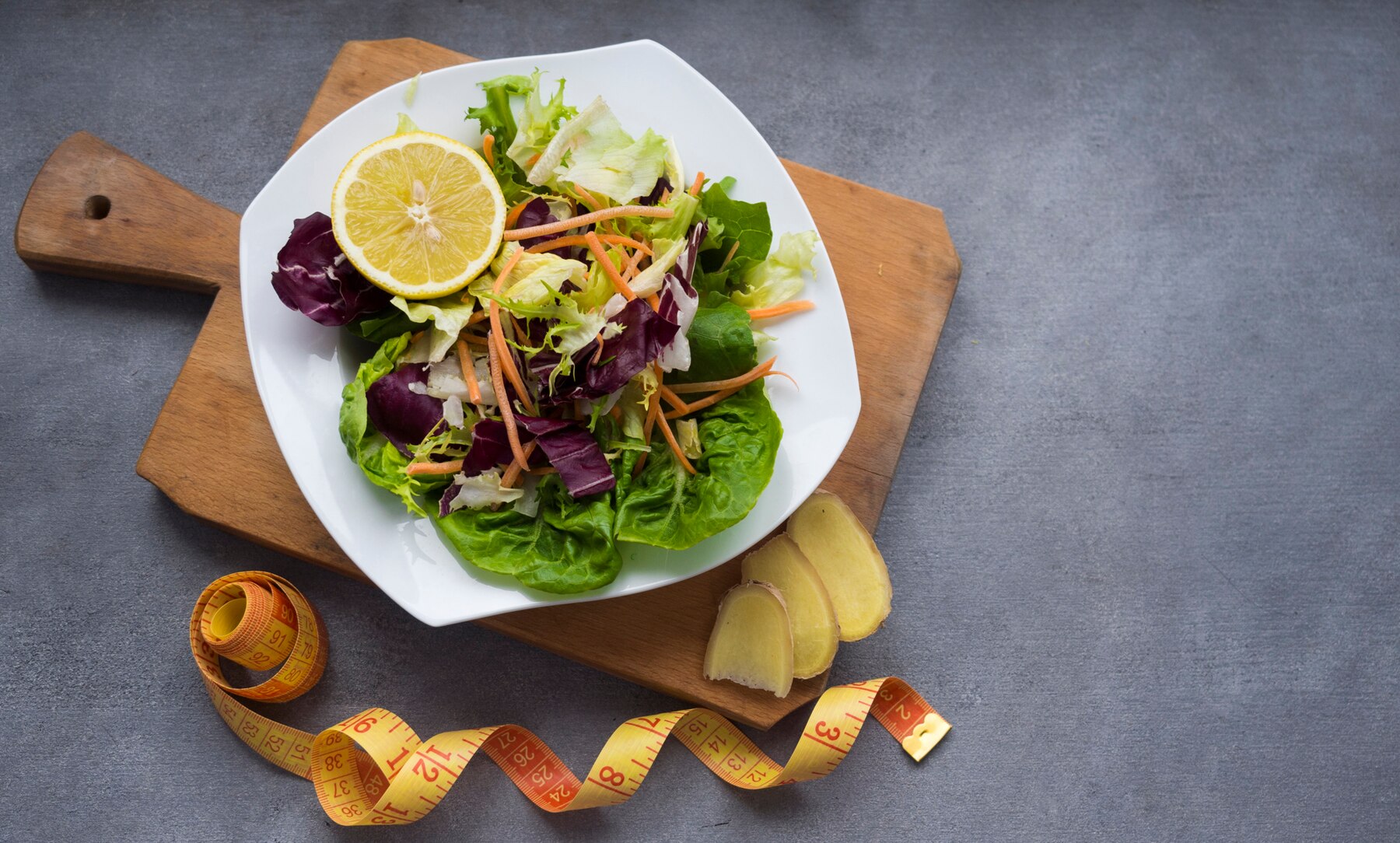
Choosing between the Keto Diet and the Paleo Diet depends on your personal preferences, health goals, and lifestyle.
Consider the Keto Diet if:
– You’re looking for rapid weight loss and are okay with severe carbohydrate restriction.
– You have a medical condition like type 2 diabetes or epilepsy that might benefit from ketosis.
– You’re comfortable with high-fat foods like avocado, cheese, and fatty cuts of meat.
Consider the Paleo Diet if:
– You want to focus on whole, unprocessed foods without the extreme carb limitation.
– You prefer a more flexible approach that allows for higher-carb foods like fruit and starchy vegetables.
– You’re sensitive to dairy and grains and want to focus on more natural eating patterns.
Final Thoughts
Both the Keto Diet and the Paleo Diet have their merits, and neither is objectively “better” than the other. It ultimately comes down to your individual preferences, health goals, and lifestyle. If you prefer a low-carb, high-fat approach with fast weight loss potential, keto may suit you. If you want a more balanced, whole-food-based diet without dairy and grains, paleo could be a better fit.
Whichever diet you choose, it’s important to consult with a healthcare professional or a nutritionist to ensure you’re making the best choice for your health.
Fitness
What 10 Minutes of Walking Immediately After Meals Does to Your Blood Sugar?
Blunting that spike doesn’t require intense cardio or an hour at the gym. A simple 10-minute walk right after eating changes everything.

You finish lunch, clean up your plate, and sit right back down at your desk or collapse onto the couch. Within an hour, a wave of heaviness hits, leaving you sluggish and hunting for an afternoon snack.
This post-meal slump isn’t just about digestion—it’s driven by a sudden spike in your blood sugar. Luckily, blunting that spike doesn’t require intense cardio or an hour at the gym. A simple 10-minute walk right after eating changes everything.
“I used to get so sleepy after lunch that I could barely keep my eyes open during afternoon meetings. Taking a quick 10-minute stroll around the block sounded too simple to work, but my energy hasn’t crashed once since I started.” — Rachel Vance, 41, Accountant
1. Your Muscles Act Like “Glucose Sponges”
When you digest food, your body breaks carbohydrates down into glucose, which enters your bloodstream. Normally, your pancreas has to release a flood of insulin to move that sugar out of your blood and into your cells.
When you contract your leg muscles by walking, those muscles soak up glucose directly from your blood for instant fuel—without needing extra insulin. This mechanism keeps your blood sugar curve smooth and flat instead of sharp and elevated.
2. You Stop the “Spike-and-Crash” Cycle
Sitting still after a heavy meal allows glucose to pool in your bloodstream, creating a steep peak followed by a dramatic drop. That sudden crash is what triggers intense cravings, brain fog, and irritability around 3 PM.
Moving right away keeps your circulation active, spreading out energy delivery so you stay alert without the sudden drop.
“My doctor recommended a short post-meal walk to manage my sugar levels. It takes almost no effort, but my daily energy is noticeably more consistent.” — Arthur Pendelton, 62, Retired Administrator
3. How to Make the 10-Minute Habit Stick
-
Timing beats intensity: You don’t need to power-walk or break a sweat. A casual, easy-paced stroll works perfectly, as long as you start within 15–20 minutes of finishing your meal.
-
Keep it flexible: Bad weather? Pace around your living room, walk up and down a hallway, or tidy up the kitchen. Any light movement counts.
-
Anchor it to lunch: Make it a rule that your workday break ends with a brief 10-minute loop outside before you sit back down at your computer.
Fitness
When Was the Last Time You Gave Your Brain Something New to Solve?
We wake up, answer messages, work through familiar routines, and make many of the same decisions we’ve made before.

Fitness
Why So Many People Wake Up Tired — Even After a Full Night’s Sleep
Ever wake up after what should have been a good night’s sleep… only to feel like you could go right back to bed?


What 10 Minutes of Walking Immediately After Meals Does to Your Blood Sugar?

The 60-Second Reset #01: A 10-Second Fix for Screen-Strained Eyes

Hot vs Cold Therapy: Harnessing Thermal Stress for Metabolic and Mental Resilience

The Vagus Nerve & Nervous System Regulation: Taming the Unseen Stress Response

The 50+ Turning Point: Why Midlife is Ground Zero for Long-Term Vitality

What’s One Piece of Health Advice That Actually Worked for You?

Can Small Sleep Changes Improve Mental Sharpness? Here’s What Researchers Are Learning

The Optical Dilation Trick: How Expanding Your Vision Resets Desk Eye Strain and Anxiety
The Vagus Nerve & Nervous System Regulation: Taming the Unseen Stress Response
Hot vs Cold Therapy: Harnessing Thermal Stress for Metabolic and Mental Resilience
-

 Fitness3 months ago
Unexpected Health Habit: Not a Diet or Supplement – Just One Everyday Habit Worth Noticing
-
 Health4 months ago
What Your Hands Quietly Reveal About Your Digestion (And How To Use It)
-
 Fitness4 months ago
5 Health Myths Most Adults Still Believe And What Actually Matters Instead
-

 Health3 months ago
Have You Ever Wondered Why Homemade Meals Rarely Taste the Same?
-
 Fitness4 months ago
Experts Reveal: The 1-Minute Routine That Improves Digestion Instantly
-
 Health3 months ago
“Lazy Meal Prep”: The easier way people are actually sticking to healthy eating
-
 Health4 months ago
You Slept 8 Hours… So Why Do You Still Feel Exhausted?
-
 Health2 months ago
How Many Steps a Day Actually Matter for Longevity – 5K or 15K?