
Fitness
Rewind Your Brain by 4 Years with Simple Daily Movements
Discover how simple daily movements, akin to short walks or playful activities, may counteract cognitive aging by up to four years.

Engaging in modest physical activity—be it a brisk stroll or moments of play with children—may confer immediate cognitive enhancements akin to rewinding four years of mental aging. This pivotal revelation emerged from our recent scholarly inquiry, which was showcased in the esteemed Annals of Behavioral Medicine.
Research Design and Methods
Prior to participating in a comprehensive study on dietary habits and dementia susceptibility, a heterogeneous cohort of 204 adults, all in midlife, utilized a smartphone application for nine consecutive days. During this period, participants were prompted five times daily to complete succinct surveys. These inquiries delved into their emotional state, dietary consumption, and any physical exertion undertaken within the preceding three and a half hours, according to reports by The Conversation.
Additionally, subjects partook in brief cognitive challenges—timed mental agility exercises lasting approximately one minute—to gauge processing velocity and short-term memory capacity.
Key Findings
Our analysis unearthed a significant correlation: participants demonstrated enhanced cognitive processing speed during instances where recent physical activity was reported. Strikingly, this improvement was observed irrespective of whether the movement was of light intensity or reached moderate-to-vigorous thresholds.
This discovery underscores a vital conclusion: the act of movement itself—whether deliberate exercise or incidental daily motion—is the cornerstone of this cognitive uplift.
The Broader Implications
Human faculties, both physical and cognitive, tend to wane with advancing age. While extensive research corroborates the long-term neurological and mental dividends of maintaining an active lifestyle, the lion’s share of these studies has emphasized moderate-to-vigorous activities, commonly equated with structured exercise regimens advocated by the Physical Activity Guidelines for Americans.
Nonetheless, these guidelines—and the broader scientific community—encourage reducing sedentary behavior and embracing more movement, regardless of its intensity. Researchers now seek to elucidate how various types of motion impact cognitive wellness, the timeframe within which benefits manifest, and the nuances of qualifying movement.
Unresolved Questions
One limitation of our study lies in its reliance on self-reported activity data. Despite participants receiving orientation on categorizing activity intensity, subjective interpretations likely varied. For instance, a casual stroll might not have been perceived as a moderate activity by some participants. Integrating activity monitors capable of distinguishing between intensity levels and duration could sharpen future analyses.
The Road Ahead
An open question remains: do these ephemeral cognitive gains aggregate to yield enduring brain health benefits and diminish dementia risk over the long haul? The team is embarking on extensive investigations to unpack these relationships over extended durations, as per The Conversation.
By leveraging wearable technology and smartphone-based data collection, we aim to unravel how everyday habits interplay with cognitive vitality across the aging process. This innovative methodology bridges gaps in understanding daily behaviors’ impact on mental acuity, marking a substantial advancement in dementia prevention research.
Through these endeavors, we aspire to identify individuals susceptible to adverse cognitive trajectories and uncover novel intervention points for mitigating dementia risk.
Conclusion
Everyday movements, even those perceived as mundane, carry profound potential to invigorate our cognitive capacities. Whether through intentional exercise or organic motion woven into daily routines, these findings illuminate a powerful truth: consistent physical activity may be the linchpin for sharper minds and healthier aging trajectories.
Fitness
What 10 Minutes of Walking Immediately After Meals Does to Your Blood Sugar?
Blunting that spike doesn’t require intense cardio or an hour at the gym. A simple 10-minute walk right after eating changes everything.
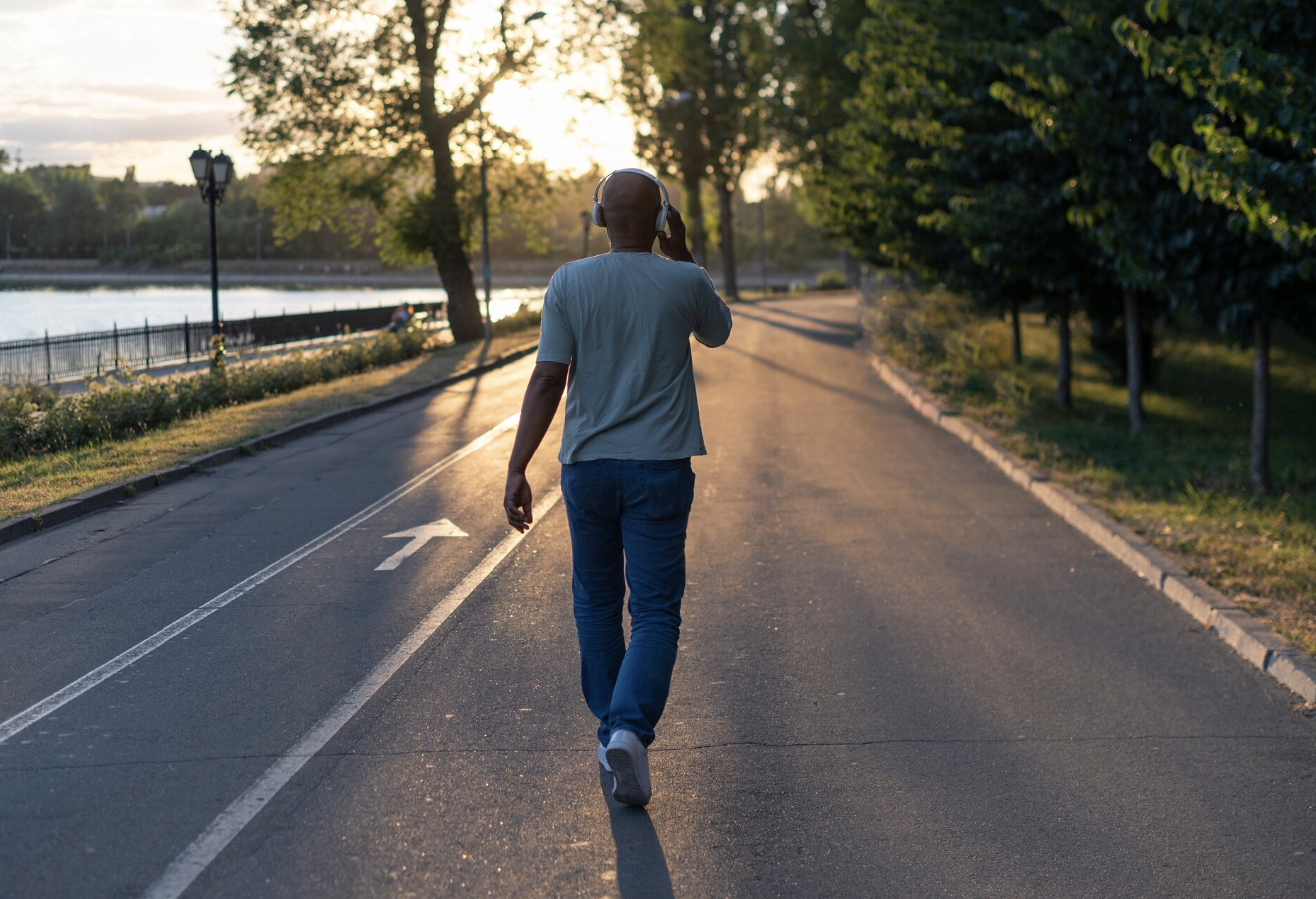
You finish lunch, clean up your plate, and sit right back down at your desk or collapse onto the couch. Within an hour, a wave of heaviness hits, leaving you sluggish and hunting for an afternoon snack.
This post-meal slump isn’t just about digestion—it’s driven by a sudden spike in your blood sugar. Luckily, blunting that spike doesn’t require intense cardio or an hour at the gym. A simple 10-minute walk right after eating changes everything.
“I used to get so sleepy after lunch that I could barely keep my eyes open during afternoon meetings. Taking a quick 10-minute stroll around the block sounded too simple to work, but my energy hasn’t crashed once since I started.” — Rachel Vance, 41, Accountant
1. Your Muscles Act Like “Glucose Sponges”
When you digest food, your body breaks carbohydrates down into glucose, which enters your bloodstream. Normally, your pancreas has to release a flood of insulin to move that sugar out of your blood and into your cells.
When you contract your leg muscles by walking, those muscles soak up glucose directly from your blood for instant fuel—without needing extra insulin. This mechanism keeps your blood sugar curve smooth and flat instead of sharp and elevated.
2. You Stop the “Spike-and-Crash” Cycle
Sitting still after a heavy meal allows glucose to pool in your bloodstream, creating a steep peak followed by a dramatic drop. That sudden crash is what triggers intense cravings, brain fog, and irritability around 3 PM.
Moving right away keeps your circulation active, spreading out energy delivery so you stay alert without the sudden drop.
“My doctor recommended a short post-meal walk to manage my sugar levels. It takes almost no effort, but my daily energy is noticeably more consistent.” — Arthur Pendelton, 62, Retired Administrator
3. How to Make the 10-Minute Habit Stick
-
Timing beats intensity: You don’t need to power-walk or break a sweat. A casual, easy-paced stroll works perfectly, as long as you start within 15–20 minutes of finishing your meal.
-
Keep it flexible: Bad weather? Pace around your living room, walk up and down a hallway, or tidy up the kitchen. Any light movement counts.
-
Anchor it to lunch: Make it a rule that your workday break ends with a brief 10-minute loop outside before you sit back down at your computer.
Fitness
When Was the Last Time You Gave Your Brain Something New to Solve?
We wake up, answer messages, work through familiar routines, and make many of the same decisions we’ve made before.

Fitness
Why So Many People Wake Up Tired — Even After a Full Night’s Sleep
Ever wake up after what should have been a good night’s sleep… only to feel like you could go right back to bed?


What 10 Minutes of Walking Immediately After Meals Does to Your Blood Sugar?

The 60-Second Reset #01: A 10-Second Fix for Screen-Strained Eyes

Hot vs Cold Therapy: Harnessing Thermal Stress for Metabolic and Mental Resilience

The Vagus Nerve & Nervous System Regulation: Taming the Unseen Stress Response

The 50+ Turning Point: Why Midlife is Ground Zero for Long-Term Vitality

What’s One Piece of Health Advice That Actually Worked for You?

Can Small Sleep Changes Improve Mental Sharpness? Here’s What Researchers Are Learning

The Optical Dilation Trick: How Expanding Your Vision Resets Desk Eye Strain and Anxiety
The Vagus Nerve & Nervous System Regulation: Taming the Unseen Stress Response
Hot vs Cold Therapy: Harnessing Thermal Stress for Metabolic and Mental Resilience
-

 Fitness3 months ago
Unexpected Health Habit: Not a Diet or Supplement – Just One Everyday Habit Worth Noticing
-
 Health4 months ago
What Your Hands Quietly Reveal About Your Digestion (And How To Use It)
-
 Fitness4 months ago
5 Health Myths Most Adults Still Believe And What Actually Matters Instead
-

 Health3 months ago
Have You Ever Wondered Why Homemade Meals Rarely Taste the Same?
-
 Fitness4 months ago
Experts Reveal: The 1-Minute Routine That Improves Digestion Instantly
-
 Health3 months ago
“Lazy Meal Prep”: The easier way people are actually sticking to healthy eating
-
 Health4 months ago
You Slept 8 Hours… So Why Do You Still Feel Exhausted?
-
 Health2 months ago
How Many Steps a Day Actually Matter for Longevity – 5K or 15K?