
Fitness
Think Sharper, Play Smarter: Why Board Games Are Secret Brain Fuel
Board games aren’t just for fun, they’re secret workouts for your brain. From chess to Scrabble, they train memory, focus, problem-solving, and even social skills.
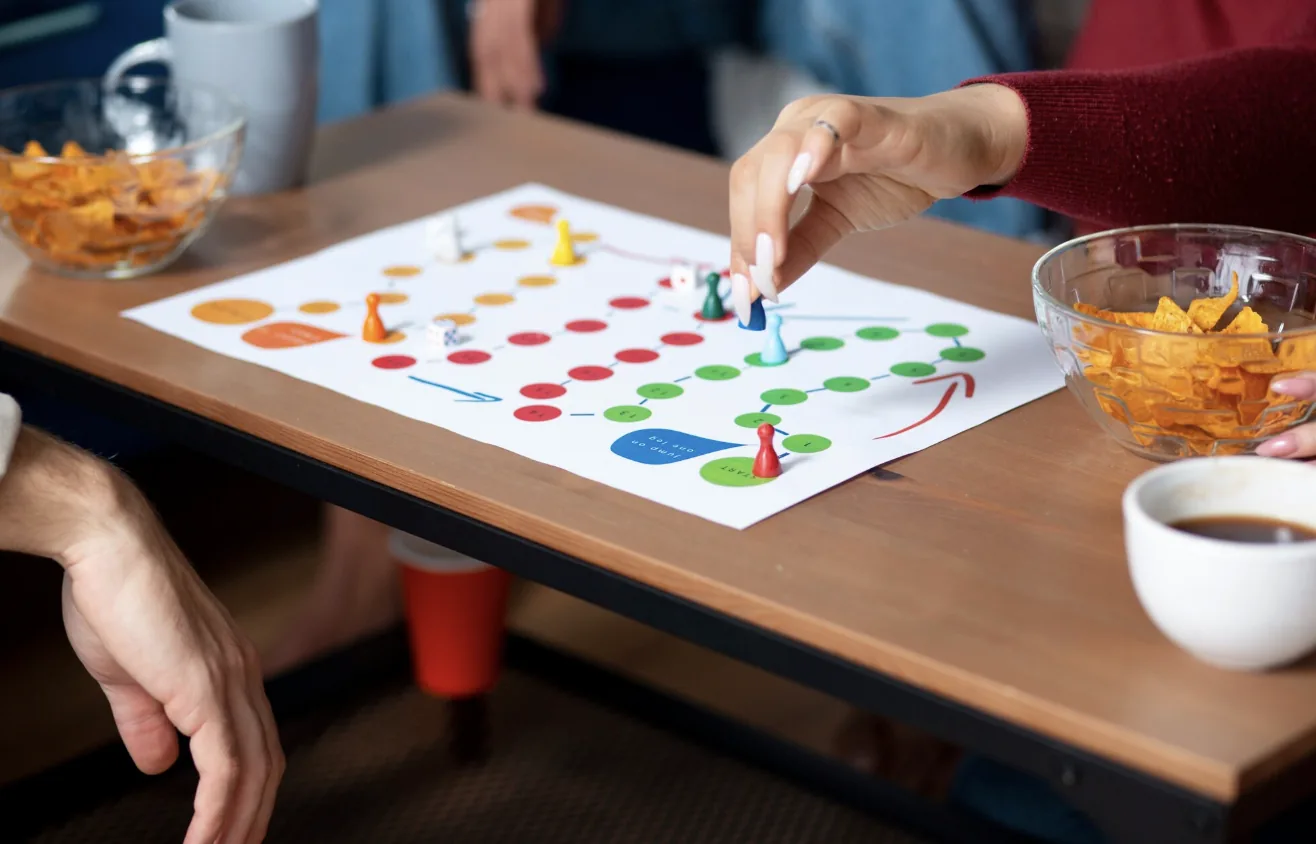
Most of us think of board games as entertainment — something you pull out on a rainy day, or during family gatherings when someone suggests Monopoly, Scrabble, or chess. But here’s the twist: scientists are finding that board games aren’t just about fun. They’re actually like stealth workouts for your brain.
And unlike going to the gym, where you feel the sweat and burn, board games slip the exercise in quietly — laughter, competition, and strategy wrapped around what turns out to be serious mental training.
So, what’s really happening in your head the next time you roll the dice or place a carefully thought-out move?
A Workout Without the Weights
Think about what board games demand: planning, remembering rules, adjusting strategy when things change, paying attention to what others do, and sometimes even a little math.
That’s not small stuff. It lights up areas of the brain tied to memory, decision-making, problem-solving, and social intelligence.
Psychologists often compare board games to “cognitive training.” Unlike rote brain apps that ask you to match shapes or tap screens, board games are dynamic. The rules aren’t always simple, the outcomes change, and real people influence your decisions. That complexity mimics real life — and that’s why it’s powerful.
The Science Behind the Play
Several studies back up what grandparents always knew instinctively: games keep you sharp.
- Memory & Focus: Research published in the journal Frontiers in Psychology found that playing board games regularly is associated with better memory and attention in older adults. Games that require recalling moves or keeping track of strategies stimulate the hippocampus — the brain’s memory center.
- Slowing Cognitive Decline: A study in The Journals of Gerontology revealed that older adults who played games like chess or checkers experienced slower rates of cognitive decline and were less likely to develop dementia.
- Problem-Solving & Creativity: Games force you to think in “what ifs.” If I make this move, what’s likely to happen? That mental flexibility is tied to higher creativity and better problem-solving in day-to-day life.
It’s not just about preventing decline, either. Kids and young adults benefit, too. Studies show that game-based learning improves math skills, vocabulary, and social cooperation.
More Than Just the Mind: Stress, Mood, and Connection
Here’s where it gets even more interesting: board games don’t just stimulate the brain. They soothe it.
- Stress relief: Laughing over a silly rule or lighthearted competition releases endorphins — your natural “feel-good” chemicals. That lowers cortisol, your stress hormone, which calms both body and brain.
- Social glue: In a world where much of our interaction is digital, sitting around a table and playing face-to-face fosters real connection. Social connection itself is protective against anxiety, depression, and even heart disease.
- Mindfulness in disguise: When you’re in the middle of a game, you’re focused. You’re not scrolling, not multitasking. That immersion is similar to mindfulness — giving your brain a chance to rest from constant digital noise.
Different Games, Different Brain Benefits
Not all board games exercise your brain in the same way. Depending on the game, you’re sharpening different skills:
- Chess & Strategy Games (Chess, Risk, Settlers of Catan)
→ Boost planning, foresight, and working memory. - Word Games (Scrabble, Bananagrams)
→ Improve vocabulary, verbal recall, and even speed of language processing. - Math & Logic Games (Rummikub, Sudoku in board form)
→ Strengthen number sense, pattern recognition, and logical reasoning. - Cooperative Games (Pandemic, Forbidden Island)
→ Enhance teamwork, empathy, and emotional intelligence. - Fast-Paced Games (Pictionary, Catch Phrase)
→ Encourage quick thinking, flexibility, and creativity.
Each type gives your brain a different kind of challenge, which is why rotating between games might actually be the healthiest way to play.
A Lifelong Brain Habit (That Doesn’t Feel Like Work)
One of the best parts? Unlike brain-training apps that people drop after a week, board games are fun. They’re social. They come with nostalgia, laughter, maybe even a little rivalry.
That’s why people actually stick with them. And consistency is the real secret to brain health. You don’t need a daily crossword or rigid mental drills. Even one or two nights a week of game play can add up over the years.
Real-Life Examples
- Grandparent Power: Studies have noted that grandparents who regularly play games with grandkids report not only sharper thinking but also stronger family bonds. It’s two forms of health in one.
- Office Game Nights: Some companies now host board game breaks instead of happy hours. Why? They improve team problem-solving, creativity, and morale.
- Kids in Classrooms: Teachers who incorporate games report better engagement and retention of lessons, especially in subjects like math and language.
Bringing It Home
If it’s been years since you opened the game closet, here are a few tips to make it part of your life again:
- Pick games that match your mood. Some nights call for something light and silly; others might suit a deep strategy game.
- Make it social. Playing with others adds layers of communication, competition, and laughter.
- Don’t overthink it. Even short, casual games give your brain a workout.
- If you live alone, try solo puzzle-style board games (they exist!) or digital versions that still engage the same skills.
The Bottom Line
Board games may look simple on the surface, but under the hood, they’re quietly rewiring your brain. They train memory, stretch problem-solving skills, reduce stress, and connect you with others in ways that screens just can’t match.
So the next time someone suggests pulling out the dusty Scrabble board or setting up a chess match, don’t dismiss it as just “playtime.” Think of it as a gift you’re giving your brain — one that feels a lot less like work than any other workout you’ll ever do.
Thought to carry with you tonight: Sometimes, the best medicine for your brain isn’t found in a pill, a book, or an app — it’s tucked inside a game box waiting for you to roll the dice.
Fitness
What 10 Minutes of Walking Immediately After Meals Does to Your Blood Sugar?
Blunting that spike doesn’t require intense cardio or an hour at the gym. A simple 10-minute walk right after eating changes everything.

You finish lunch, clean up your plate, and sit right back down at your desk or collapse onto the couch. Within an hour, a wave of heaviness hits, leaving you sluggish and hunting for an afternoon snack.
This post-meal slump isn’t just about digestion—it’s driven by a sudden spike in your blood sugar. Luckily, blunting that spike doesn’t require intense cardio or an hour at the gym. A simple 10-minute walk right after eating changes everything.
“I used to get so sleepy after lunch that I could barely keep my eyes open during afternoon meetings. Taking a quick 10-minute stroll around the block sounded too simple to work, but my energy hasn’t crashed once since I started.” — Rachel Vance, 41, Accountant
1. Your Muscles Act Like “Glucose Sponges”
When you digest food, your body breaks carbohydrates down into glucose, which enters your bloodstream. Normally, your pancreas has to release a flood of insulin to move that sugar out of your blood and into your cells.
When you contract your leg muscles by walking, those muscles soak up glucose directly from your blood for instant fuel—without needing extra insulin. This mechanism keeps your blood sugar curve smooth and flat instead of sharp and elevated.
2. You Stop the “Spike-and-Crash” Cycle
Sitting still after a heavy meal allows glucose to pool in your bloodstream, creating a steep peak followed by a dramatic drop. That sudden crash is what triggers intense cravings, brain fog, and irritability around 3 PM.
Moving right away keeps your circulation active, spreading out energy delivery so you stay alert without the sudden drop.
“My doctor recommended a short post-meal walk to manage my sugar levels. It takes almost no effort, but my daily energy is noticeably more consistent.” — Arthur Pendelton, 62, Retired Administrator
3. How to Make the 10-Minute Habit Stick
-
Timing beats intensity: You don’t need to power-walk or break a sweat. A casual, easy-paced stroll works perfectly, as long as you start within 15–20 minutes of finishing your meal.
-
Keep it flexible: Bad weather? Pace around your living room, walk up and down a hallway, or tidy up the kitchen. Any light movement counts.
-
Anchor it to lunch: Make it a rule that your workday break ends with a brief 10-minute loop outside before you sit back down at your computer.
Fitness
When Was the Last Time You Gave Your Brain Something New to Solve?
We wake up, answer messages, work through familiar routines, and make many of the same decisions we’ve made before.

Fitness
Why So Many People Wake Up Tired — Even After a Full Night’s Sleep
Ever wake up after what should have been a good night’s sleep… only to feel like you could go right back to bed?


What 10 Minutes of Walking Immediately After Meals Does to Your Blood Sugar?

The 60-Second Reset #01: A 10-Second Fix for Screen-Strained Eyes

Hot vs Cold Therapy: Harnessing Thermal Stress for Metabolic and Mental Resilience

The Vagus Nerve & Nervous System Regulation: Taming the Unseen Stress Response

The 50+ Turning Point: Why Midlife is Ground Zero for Long-Term Vitality

What’s One Piece of Health Advice That Actually Worked for You?

Can Small Sleep Changes Improve Mental Sharpness? Here’s What Researchers Are Learning

The Optical Dilation Trick: How Expanding Your Vision Resets Desk Eye Strain and Anxiety
The Vagus Nerve & Nervous System Regulation: Taming the Unseen Stress Response
Hot vs Cold Therapy: Harnessing Thermal Stress for Metabolic and Mental Resilience
-

 Fitness3 months ago
Unexpected Health Habit: Not a Diet or Supplement – Just One Everyday Habit Worth Noticing
-
 Health4 months ago
What Your Hands Quietly Reveal About Your Digestion (And How To Use It)
-
 Fitness4 months ago
5 Health Myths Most Adults Still Believe And What Actually Matters Instead
-

 Health3 months ago
Have You Ever Wondered Why Homemade Meals Rarely Taste the Same?
-
 Fitness4 months ago
Experts Reveal: The 1-Minute Routine That Improves Digestion Instantly
-
 Health3 months ago
“Lazy Meal Prep”: The easier way people are actually sticking to healthy eating
-
 Health4 months ago
You Slept 8 Hours… So Why Do You Still Feel Exhausted?
-

 Health2 months ago
How Many Steps a Day Actually Matter for Longevity – 5K or 15K?