
Fitness
This Approach Helped Me Simplify Hypertension — You Might Want to Try It
Hypertension, often called the “silent killer,” affects millions and is notoriously difficult to control, even with multiple medications.
High blood pressure — or hypertension — is one of those silent health issues that sneaks up on millions of people worldwide. It’s often called the “silent killer” because you can feel completely fine, yet the numbers on your blood pressure monitor quietly tell a different story. What makes it even more frustrating is that for many people, controlling blood pressure isn’t as simple as popping a pill or two. Some patients are on three, four, even five medications — and still can’t get it under control.
But something exciting is happening in the world of heart health research. A brand-new approach is showing remarkable promise, and it could be a game-changer for people struggling with resistant or uncontrolled hypertension.
Let’s break this down simply.
The Hormone at the Center of It All: Aldosterone
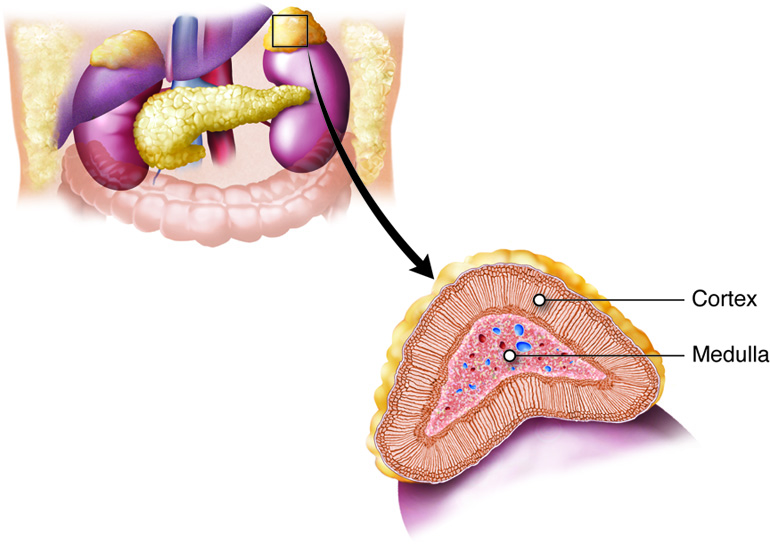
If you’ve never heard of aldosterone, you’re not alone. Think of it as your body’s “salt and water manager.” Its job is to control how much sodium your body holds on to, and in turn, how much water stays in your system. More salt and water usually mean higher blood pressure.
As we age, many people begin producing too much aldosterone. This subtle shift makes it harder to flush out salt, causing blood pressure to rise — sometimes stubbornly so. Over time, this contributes to heart disease, stroke, kidney damage, and even dementia risk.
For decades, researchers suspected this hormone was a big piece of the puzzle, but now science is finally targeting it directly.
Meet Baxdrostat: The New Kid on the Block

Enter baxdrostat, the first of a new class of drugs designed to block the production of aldosterone itself. Instead of just managing blood pressure downstream, it tackles one of the root causes.
In the recent BaxHTN trial, which included nearly 800 patients with resistant or uncontrolled hypertension (despite already taking about three medications), the results were eye-opening:
- Patients on baxdrostat saw an average drop of 14–16 mm Hg in systolic blood pressure compared to baseline.
- Even more impressive, the reductions were confirmed with 24-hour monitoring, showing drops of around 15 mm Hg throughout the day and night.
- These changes were described by researchers as “remarkably consistent across every subgroup.”
To put that into perspective, most blood pressure drugs lower readings by 5–10 mm Hg. A 15 mm Hg reduction is massive — and the kind of improvement that can significantly reduce the risk of heart attack and stroke.
Why Doctors Are Excited

At the European Society of Cardiology Congress 2025, the trial results were met with spontaneous applause — something you don’t often see at medical conferences.
Dr. Bryan Williams, a leading hypertension expert, called it a “potential game changer”. Why? Because for patients whose blood pressure refuses to budge with current treatments, this drug offers hope — not just for control, but for lowering long-term risk of heart disease, kidney failure, and more.
What’s equally fascinating is the durability of its effect. Even after patients stopped taking baxdrostat, their blood pressure didn’t immediately shoot back up. Instead, the numbers held steady for weeks. This suggests that the drug may be helping the body reset its systems, rather than just applying a temporary patch.
The Safety Side
Of course, no new medication comes without questions. Because aldosterone also influences potassium levels, baxdrostat did lead to a slight rise in potassium for some patients. For most, that’s a good thing — since traditional diuretics often lower potassium too much.
However, for patients with kidney issues or difficulty handling potassium, doctors must closely monitor them, especially in the first couple of weeks. That said, the safety profile so far has been encouraging, with no unexpected side effects reported.
Why This Matters for Everyday People
Here’s the truth: half of all patients being treated for hypertension worldwide still don’t hit their target blood pressure. That’s hundreds of millions of people walking around with a higher risk of stroke, heart attack, or organ damage — even while faithfully taking their pills.
Baxdrostat and other drugs in this new class of aldosterone synthase inhibitors are exciting because they’re designed for exactly this population: people who feel like they’ve “tried everything” and are still stuck.
It doesn’t mean the basics — like exercise, lowering salt intake, or managing stress — become less important. But it does mean there could soon be another powerful option on the table.
A Triumph of Scientific Discovery
As Dr. Williams put it, the development of baxdrostat is “a triumph of scientific discovery.” By following the trail of one hormone — aldosterone — scientists have opened the door to a new way of treating one of the world’s most stubborn and deadly health challenges.
The journey isn’t over. Larger and longer trials are underway to confirm the findings, and regulators still need to review the data before baxdrostat can be prescribed widely. But the early signs suggest we may be on the verge of a true breakthrough in hypertension care.
Takeaway
If you or someone you love struggles with blood pressure that just won’t come down despite multiple medications, keep an eye on developments around baxdrostat. It may not be available everywhere yet, but it represents something rare in medicine: genuine hope for millions who’ve been stuck with limited options.
Sometimes, the most powerful way to simplify a complex problem is to go back to its root cause. In the case of hypertension, that root might just be a hormone we’re finally learning how to control.
Fitness
What 10 Minutes of Walking Immediately After Meals Does to Your Blood Sugar?
Blunting that spike doesn’t require intense cardio or an hour at the gym. A simple 10-minute walk right after eating changes everything.

You finish lunch, clean up your plate, and sit right back down at your desk or collapse onto the couch. Within an hour, a wave of heaviness hits, leaving you sluggish and hunting for an afternoon snack.
This post-meal slump isn’t just about digestion—it’s driven by a sudden spike in your blood sugar. Luckily, blunting that spike doesn’t require intense cardio or an hour at the gym. A simple 10-minute walk right after eating changes everything.
“I used to get so sleepy after lunch that I could barely keep my eyes open during afternoon meetings. Taking a quick 10-minute stroll around the block sounded too simple to work, but my energy hasn’t crashed once since I started.” — Rachel Vance, 41, Accountant
1. Your Muscles Act Like “Glucose Sponges”
When you digest food, your body breaks carbohydrates down into glucose, which enters your bloodstream. Normally, your pancreas has to release a flood of insulin to move that sugar out of your blood and into your cells.
When you contract your leg muscles by walking, those muscles soak up glucose directly from your blood for instant fuel—without needing extra insulin. This mechanism keeps your blood sugar curve smooth and flat instead of sharp and elevated.
2. You Stop the “Spike-and-Crash” Cycle
Sitting still after a heavy meal allows glucose to pool in your bloodstream, creating a steep peak followed by a dramatic drop. That sudden crash is what triggers intense cravings, brain fog, and irritability around 3 PM.
Moving right away keeps your circulation active, spreading out energy delivery so you stay alert without the sudden drop.
“My doctor recommended a short post-meal walk to manage my sugar levels. It takes almost no effort, but my daily energy is noticeably more consistent.” — Arthur Pendelton, 62, Retired Administrator
3. How to Make the 10-Minute Habit Stick
-
Timing beats intensity: You don’t need to power-walk or break a sweat. A casual, easy-paced stroll works perfectly, as long as you start within 15–20 minutes of finishing your meal.
-
Keep it flexible: Bad weather? Pace around your living room, walk up and down a hallway, or tidy up the kitchen. Any light movement counts.
-
Anchor it to lunch: Make it a rule that your workday break ends with a brief 10-minute loop outside before you sit back down at your computer.
Fitness
When Was the Last Time You Gave Your Brain Something New to Solve?
We wake up, answer messages, work through familiar routines, and make many of the same decisions we’ve made before.

Fitness
Why So Many People Wake Up Tired — Even After a Full Night’s Sleep
Ever wake up after what should have been a good night’s sleep… only to feel like you could go right back to bed?


What 10 Minutes of Walking Immediately After Meals Does to Your Blood Sugar?

The 60-Second Reset #01: A 10-Second Fix for Screen-Strained Eyes

Hot vs Cold Therapy: Harnessing Thermal Stress for Metabolic and Mental Resilience

The Vagus Nerve & Nervous System Regulation: Taming the Unseen Stress Response

The 50+ Turning Point: Why Midlife is Ground Zero for Long-Term Vitality

What’s One Piece of Health Advice That Actually Worked for You?

Can Small Sleep Changes Improve Mental Sharpness? Here’s What Researchers Are Learning

The Optical Dilation Trick: How Expanding Your Vision Resets Desk Eye Strain and Anxiety
The Vagus Nerve & Nervous System Regulation: Taming the Unseen Stress Response
Hot vs Cold Therapy: Harnessing Thermal Stress for Metabolic and Mental Resilience
-

 Fitness3 months ago
Unexpected Health Habit: Not a Diet or Supplement – Just One Everyday Habit Worth Noticing
-
 Health4 months ago
What Your Hands Quietly Reveal About Your Digestion (And How To Use It)
-
 Fitness4 months ago
5 Health Myths Most Adults Still Believe And What Actually Matters Instead
-

 Health3 months ago
Have You Ever Wondered Why Homemade Meals Rarely Taste the Same?
-
 Fitness4 months ago
Experts Reveal: The 1-Minute Routine That Improves Digestion Instantly
-
 Health3 months ago
“Lazy Meal Prep”: The easier way people are actually sticking to healthy eating
-
 Health4 months ago
You Slept 8 Hours… So Why Do You Still Feel Exhausted?
-

 Health2 months ago
How Many Steps a Day Actually Matter for Longevity – 5K or 15K?