
Fitness
Three Programs For Intro Weightlifting

Ok, so you want to get jacked and strong. Not only is that great, but it’s probably a lot more attainable than you probably think. As with many areas of fitness, the hardest part is taking the first step.
Part of the difficulty of taking the first step when it comes to pumping iron is knowing what introductory program you should start with. A quick Google search is no help, providing an endless supply of overly complicated weightlifting programs supposedly designed for “beginners.”
The problem with all of these programs is that they just tell you what lifts to do. That’s not what a starting program for a newbie weightlifter should be. On the contrary, you need detailed guidance on how to start by lifting an empty barbell, progressing to loading it, knowing what to do when you stall out, and when to jump off the ride for something more advanced.
Fortunately, there are three programs to help you get started with strength training that are easy, simple, and, most importantly, structured enough that anyone who can add 5+5 can make solid, consistent strength gains for several months.
Starting Strength
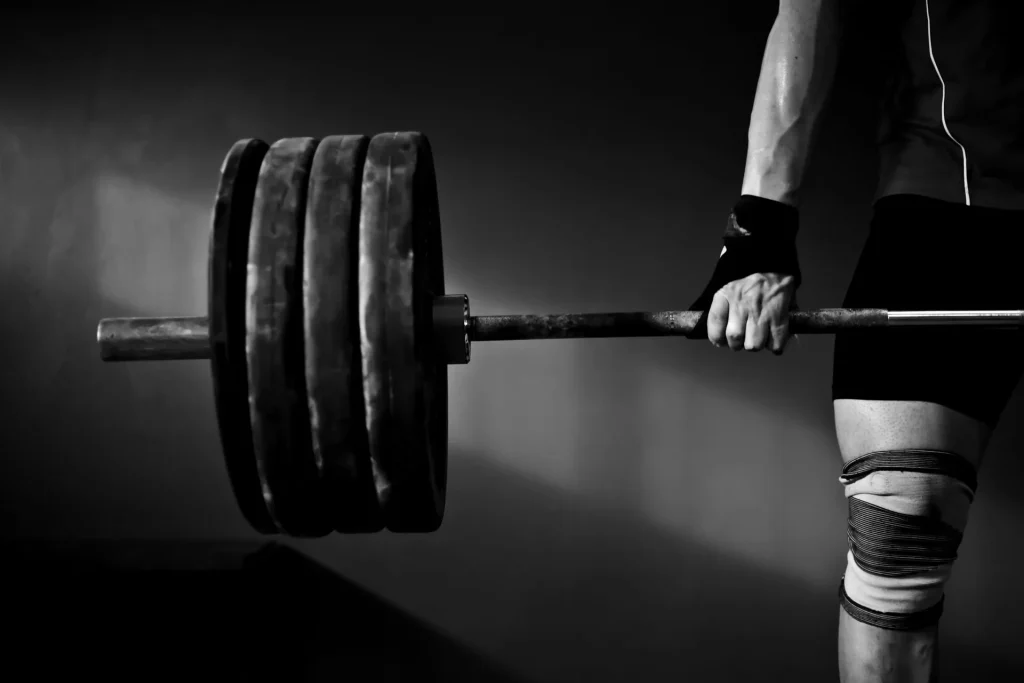
Starting Strength was developed by renowned strength coach Mark Rippetoe. It is possibly the most popular introductory strength program in the history of humanity, having helped untold numbers of people from around the world progress from 90-pound weaklings to gym studs capable of squatting 405 pounds for reps in a matter of months.
At its core, Starting Strength is a great way for beginners to master the most fundamental lifts. Starting Strength prioritizes compound movements, focusing on five exercises: the squat, deadlift, bench press, overhead press, and power clean. It excels in teaching not only the proper form and mechanics of each lift but also the underlying principles of progressive overload. As beginners progressively add weight to the bar in a linear fashion, they experience tangible strength gains and build a robust foundation for more advanced training.
Rippetoe’s program offers a clear roadmap for increasing strength by consistently adding weight to the bar during each workout, fostering a sense of accomplishment and motivation for beginners. Additionally, the focus on compound movements ensures that individuals develop functional strength, translating into real-world applications beyond the gym. As a comprehensive guide, Starting Strength equips beginners with the tools for physical transformation while also instilling a deep understanding of the principles that underpin successful weightlifting, setting the stage for a lifelong journey of strength and fitness.
While some in the Starting Strength community can be dogmatic, don’t let that bother you. You don’t have to subscribe to the Church of Rippetoe to get the most out of this beginner weightlifting program.
StrongLifts 5×5

StrongLifts 5×5 is a popular alternative to Starting Strength and if your goal is bodybuilding and aesthetics, rather than strength and raw power, this one gets the nod.
Created by Mehdi Hadim, StrongLifts 5×5 is extremely similar to Starting Strength, with there being only two primary differences. First, StrongLifts 5×5 swaps out the power clean for the Pendlay row. Second, StrongLifts 5×5 offers an additional two sets of volume for every lift save for the deadlift, which has identical programming to Starting Strength.
Otherwise, it utilizes the same commitment to progressive overload, which is a crucial concept for beginning weightlifters. It is a streamlined workout, which can be done very quickly, especially at the very beginning, where the lifts are very light.
Greyskull LP

Greyskull LP (Linear Progression), is the brainchild of strength and conditioning expert John Sheaffer. It’s an alternative to both Starting Strength and StrongLifts 5×5 that has made many a man and woman strong and ripped at the same time.
Its proponents tout its versatility and adaptability, striking a balance between progressive strength gains and hypertrophy. This program, designed for both novice lifters and intermediates transitioning out of beginner programs, differs primarily from the first time because of the inclusion of AMRAP (As Many Reps As Possible) sets, providing a unique blend of structure and flexibility.
AMRAP sets allow lifters to push themselves beyond prescribed repetitions, fostering not only strength but also endurance. The foundation is rooted in compound movements like squats, bench presses, and rows, which is true of any truly worthwhile introductory program. What’s more, GreySkull allows you to continue for longer because it is supposed to be for both beginners and intermediates.
Which one of these is the best?
The short version is that it doesn’t really matter. If you’re just getting into weightlifting, the main thing you want to do is build up a strength base. Once you run through your beginner gains, then you can agonize over which intermediate program is the best to achieve your goals. At the end of the day, however, the main thing you need to do right now is be consistent.
Which one of these sounds best to you? For more advanced lifters, which one did you use when you first got started? Leave your thoughts in the comments below.



Fitness
What 10 Minutes of Walking Immediately After Meals Does to Your Blood Sugar?
Blunting that spike doesn’t require intense cardio or an hour at the gym. A simple 10-minute walk right after eating changes everything.

You finish lunch, clean up your plate, and sit right back down at your desk or collapse onto the couch. Within an hour, a wave of heaviness hits, leaving you sluggish and hunting for an afternoon snack.
This post-meal slump isn’t just about digestion—it’s driven by a sudden spike in your blood sugar. Luckily, blunting that spike doesn’t require intense cardio or an hour at the gym. A simple 10-minute walk right after eating changes everything.
“I used to get so sleepy after lunch that I could barely keep my eyes open during afternoon meetings. Taking a quick 10-minute stroll around the block sounded too simple to work, but my energy hasn’t crashed once since I started.” — Rachel Vance, 41, Accountant
1. Your Muscles Act Like “Glucose Sponges”
When you digest food, your body breaks carbohydrates down into glucose, which enters your bloodstream. Normally, your pancreas has to release a flood of insulin to move that sugar out of your blood and into your cells.
When you contract your leg muscles by walking, those muscles soak up glucose directly from your blood for instant fuel—without needing extra insulin. This mechanism keeps your blood sugar curve smooth and flat instead of sharp and elevated.
2. You Stop the “Spike-and-Crash” Cycle
Sitting still after a heavy meal allows glucose to pool in your bloodstream, creating a steep peak followed by a dramatic drop. That sudden crash is what triggers intense cravings, brain fog, and irritability around 3 PM.
Moving right away keeps your circulation active, spreading out energy delivery so you stay alert without the sudden drop.
“My doctor recommended a short post-meal walk to manage my sugar levels. It takes almost no effort, but my daily energy is noticeably more consistent.” — Arthur Pendelton, 62, Retired Administrator
3. How to Make the 10-Minute Habit Stick
-
Timing beats intensity: You don’t need to power-walk or break a sweat. A casual, easy-paced stroll works perfectly, as long as you start within 15–20 minutes of finishing your meal.
-
Keep it flexible: Bad weather? Pace around your living room, walk up and down a hallway, or tidy up the kitchen. Any light movement counts.
-
Anchor it to lunch: Make it a rule that your workday break ends with a brief 10-minute loop outside before you sit back down at your computer.
Fitness
When Was the Last Time You Gave Your Brain Something New to Solve?
We wake up, answer messages, work through familiar routines, and make many of the same decisions we’ve made before.

Fitness
Why So Many People Wake Up Tired — Even After a Full Night’s Sleep
Ever wake up after what should have been a good night’s sleep… only to feel like you could go right back to bed?


What 10 Minutes of Walking Immediately After Meals Does to Your Blood Sugar?

The 60-Second Reset #01: A 10-Second Fix for Screen-Strained Eyes

Hot vs Cold Therapy: Harnessing Thermal Stress for Metabolic and Mental Resilience

The Vagus Nerve & Nervous System Regulation: Taming the Unseen Stress Response

The 50+ Turning Point: Why Midlife is Ground Zero for Long-Term Vitality

What’s One Piece of Health Advice That Actually Worked for You?

Can Small Sleep Changes Improve Mental Sharpness? Here’s What Researchers Are Learning

The Optical Dilation Trick: How Expanding Your Vision Resets Desk Eye Strain and Anxiety
The Vagus Nerve & Nervous System Regulation: Taming the Unseen Stress Response
Hot vs Cold Therapy: Harnessing Thermal Stress for Metabolic and Mental Resilience
-

 Fitness3 months ago
Unexpected Health Habit: Not a Diet or Supplement – Just One Everyday Habit Worth Noticing
-
 Health4 months ago
What Your Hands Quietly Reveal About Your Digestion (And How To Use It)
-
 Fitness4 months ago
5 Health Myths Most Adults Still Believe And What Actually Matters Instead
-

 Health3 months ago
Have You Ever Wondered Why Homemade Meals Rarely Taste the Same?
-
 Fitness4 months ago
Experts Reveal: The 1-Minute Routine That Improves Digestion Instantly
-
 Health3 months ago
“Lazy Meal Prep”: The easier way people are actually sticking to healthy eating
-
 Health4 months ago
You Slept 8 Hours… So Why Do You Still Feel Exhausted?
-

 Health2 months ago
How Many Steps a Day Actually Matter for Longevity – 5K or 15K?