
Fitness
What Happens When You Stop Using Your Phone for 24 Hours?
Your hand keeps reaching for a screen that isn’t there. Time slows down in an uncomfortable way. Thoughts you usually scroll past start finishing themselves.
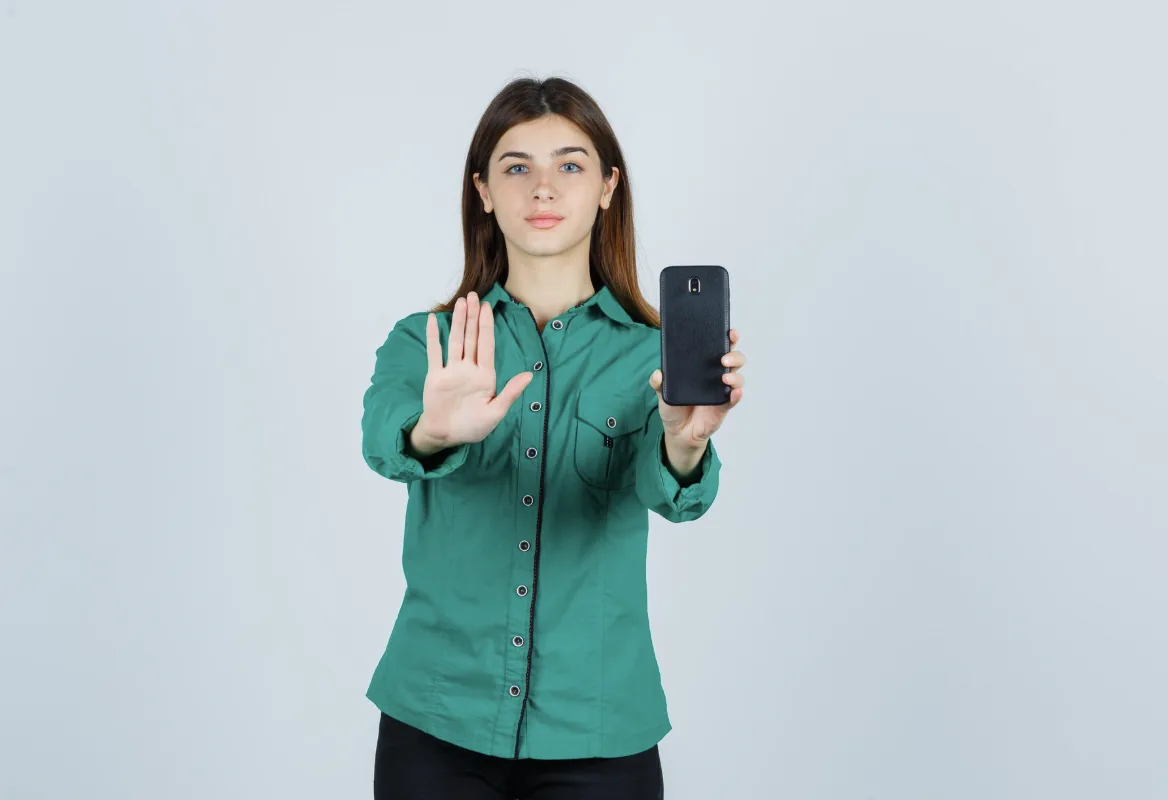
Not forever.
Not a digital detox retreat.
Just one ordinary day without your phone.
No scrolling. No notifications. No checking “just in case.”
What actually happens during those 24 hours is far more subtle—and stranger—than most people expect.
The First Few Hours: Your Brain Keeps Reaching for a Ghost
In the beginning, nothing dramatic happens.
You don’t suddenly feel peaceful or wise.
Instead, your hand moves toward your pocket even when there’s nothing there.
This is not addiction in the dramatic sense—it’s muscle memory mixed with prediction. Your brain has learned that boredom, curiosity, or discomfort usually end with a screen lighting up. When that prediction fails, your mind feels briefly… unfinished.
Important to notice:
You’re not missing the phone.
You’re missing the pause filler.
Time Starts Feeling “Loose” (And That’s Unsettling)
Without a phone, time behaves differently.
Minutes don’t disappear into feeds.
Waiting feels longer—but also clearer.
People often report something unexpected here:
They stop rushing, even when there’s no reason to slow down.
Why?
Because phones quietly train us to live in short loops—check, refresh, move on. Remove the loop, and the day stretches out in an unfamiliar way. It’s not boredom. It’s uncompressed time.
Most people haven’t felt that since childhood.
Your Thoughts Become Messier—but More Honest
Here’s something rarely mentioned:
When you stop using your phone, your thoughts don’t instantly become calm.
They become louder, uneven, and sometimes awkward.
You remember half-finished ideas.
Old conversations resurface.
Random worries pop up without warning.
This happens because your phone usually absorbs these mental fragments before they fully form.
Without it, your brain has to finish its own sentences.
This is uncomfortable—but deeply human.
Conversations Change Shape
When you talk to people during those 24 hours, something small but important shifts.
You don’t check out halfway through.
You don’t feel the urge to document the moment.
Silences last a second longer—and feel heavier.
Many people notice they listen with their whole face, not just their ears.
And here’s the strange part:
Some conversations end sooner, not longer.
Why?
Because without phones, people speak more clearly. There’s less filler. Less performing. More meaning—or a clean ending.
Your Body Notices the Absence Before Your Mind Does
Long before your thoughts slow down, your body reacts.
Your neck relaxes.
Your eyes stop darting.
Your breathing becomes deeper without effort.
Not because you’re “detoxing,” but because your nervous system isn’t being interrupted every few minutes.
Phones don’t just occupy attention—they fracture physical stillness.
When the interruptions stop, your body quietly recalibrates.
Night Feels Different—Even If You Sleep the Same
This part surprises almost everyone.
You don’t necessarily fall asleep faster.
But the night feels longer and more deliberate.
You notice tiredness arriving instead of chasing it.
You lie down because your body wants rest—not because there’s nothing left to scroll.
Many people say the day feels more “complete,” even without doing anything special.
That sense of completion is rare in modern life.
The Next Morning: You Don’t Feel “Changed”—You Feel Oriented
After 24 hours, most people don’t feel transformed.
They feel re-aligned.
Like furniture in the mind was pushed back into place—nothing new added, nothing removed.
And that’s the real effect.
Stopping phone use for one day doesn’t give you super focus or instant clarity.
It simply returns your attention to its natural speed.
A Thought That Makes People Say:
“I have never read such a thing before”
Here it is:
Your phone doesn’t steal time.
It steals the feeling of finishing a day.
Without constant checking, your mind knows when something begins and when it ends—work, conversations, even rest. That sense of closure is what makes days feel meaningful, not productive.
One phone-free day doesn’t make life better.
It reminds you how days are supposed to feel when they actually end.
And most people didn’t realize they were missing that at all.
Fitness
What 10 Minutes of Walking Immediately After Meals Does to Your Blood Sugar?
Blunting that spike doesn’t require intense cardio or an hour at the gym. A simple 10-minute walk right after eating changes everything.
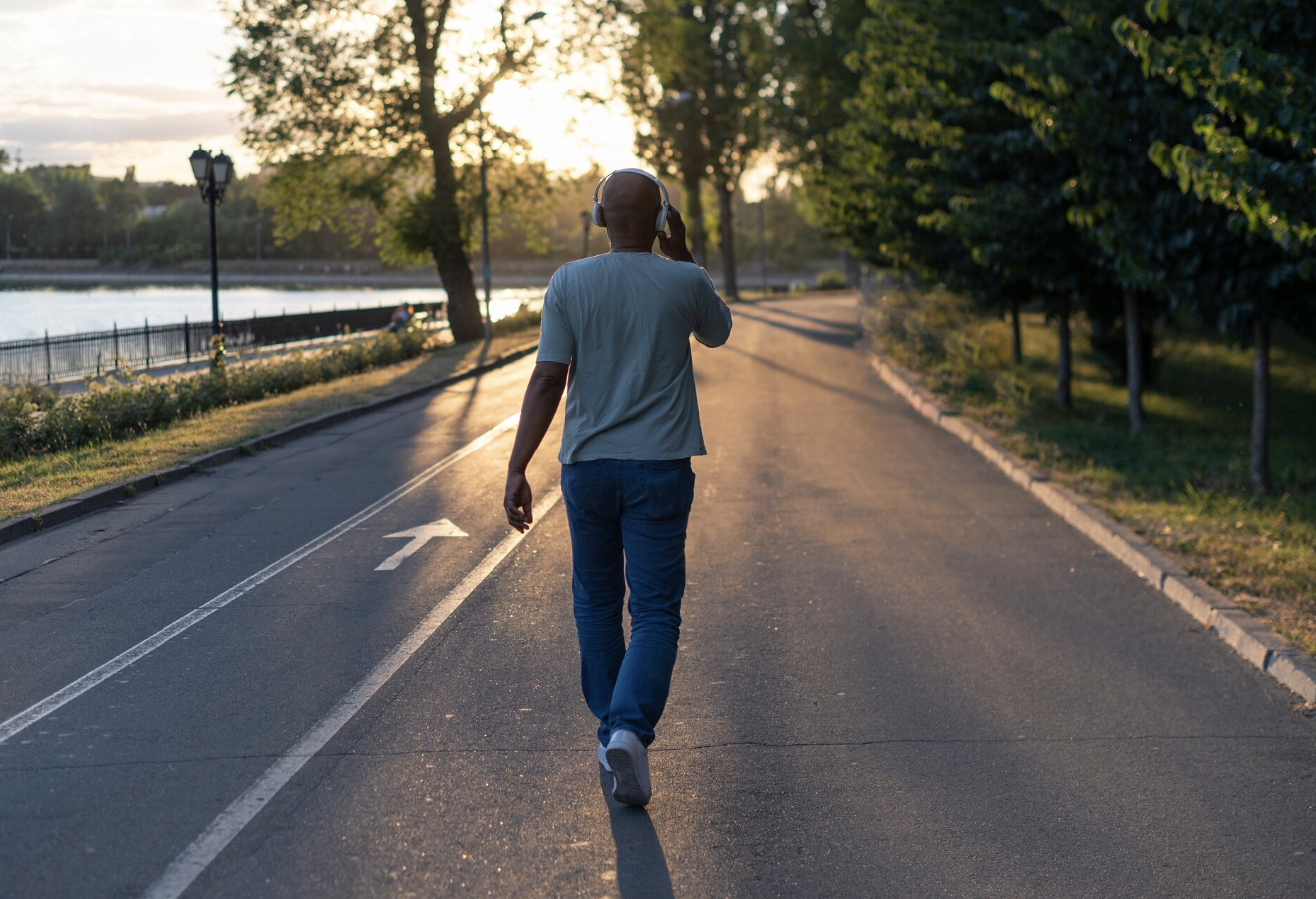
You finish lunch, clean up your plate, and sit right back down at your desk or collapse onto the couch. Within an hour, a wave of heaviness hits, leaving you sluggish and hunting for an afternoon snack.
This post-meal slump isn’t just about digestion—it’s driven by a sudden spike in your blood sugar. Luckily, blunting that spike doesn’t require intense cardio or an hour at the gym. A simple 10-minute walk right after eating changes everything.
“I used to get so sleepy after lunch that I could barely keep my eyes open during afternoon meetings. Taking a quick 10-minute stroll around the block sounded too simple to work, but my energy hasn’t crashed once since I started.” — Rachel Vance, 41, Accountant
1. Your Muscles Act Like “Glucose Sponges”
When you digest food, your body breaks carbohydrates down into glucose, which enters your bloodstream. Normally, your pancreas has to release a flood of insulin to move that sugar out of your blood and into your cells.
When you contract your leg muscles by walking, those muscles soak up glucose directly from your blood for instant fuel—without needing extra insulin. This mechanism keeps your blood sugar curve smooth and flat instead of sharp and elevated.
2. You Stop the “Spike-and-Crash” Cycle
Sitting still after a heavy meal allows glucose to pool in your bloodstream, creating a steep peak followed by a dramatic drop. That sudden crash is what triggers intense cravings, brain fog, and irritability around 3 PM.
Moving right away keeps your circulation active, spreading out energy delivery so you stay alert without the sudden drop.
“My doctor recommended a short post-meal walk to manage my sugar levels. It takes almost no effort, but my daily energy is noticeably more consistent.” — Arthur Pendelton, 62, Retired Administrator
3. How to Make the 10-Minute Habit Stick
-
Timing beats intensity: You don’t need to power-walk or break a sweat. A casual, easy-paced stroll works perfectly, as long as you start within 15–20 minutes of finishing your meal.
-
Keep it flexible: Bad weather? Pace around your living room, walk up and down a hallway, or tidy up the kitchen. Any light movement counts.
-
Anchor it to lunch: Make it a rule that your workday break ends with a brief 10-minute loop outside before you sit back down at your computer.
Fitness
When Was the Last Time You Gave Your Brain Something New to Solve?
We wake up, answer messages, work through familiar routines, and make many of the same decisions we’ve made before.
Fitness
Why So Many People Wake Up Tired — Even After a Full Night’s Sleep
Ever wake up after what should have been a good night’s sleep… only to feel like you could go right back to bed?


What 10 Minutes of Walking Immediately After Meals Does to Your Blood Sugar?

The 60-Second Reset #01: A 10-Second Fix for Screen-Strained Eyes

Hot vs Cold Therapy: Harnessing Thermal Stress for Metabolic and Mental Resilience

The Vagus Nerve & Nervous System Regulation: Taming the Unseen Stress Response

The 50+ Turning Point: Why Midlife is Ground Zero for Long-Term Vitality

What’s One Piece of Health Advice That Actually Worked for You?

Can Small Sleep Changes Improve Mental Sharpness? Here’s What Researchers Are Learning

The Optical Dilation Trick: How Expanding Your Vision Resets Desk Eye Strain and Anxiety
The Vagus Nerve & Nervous System Regulation: Taming the Unseen Stress Response
Hot vs Cold Therapy: Harnessing Thermal Stress for Metabolic and Mental Resilience
-

 Fitness3 months ago
Unexpected Health Habit: Not a Diet or Supplement – Just One Everyday Habit Worth Noticing
-
 Health4 months ago
What Your Hands Quietly Reveal About Your Digestion (And How To Use It)
-
 Fitness4 months ago
5 Health Myths Most Adults Still Believe And What Actually Matters Instead
-

 Health3 months ago
Have You Ever Wondered Why Homemade Meals Rarely Taste the Same?
-
 Fitness4 months ago
Experts Reveal: The 1-Minute Routine That Improves Digestion Instantly
-
 Health3 months ago
“Lazy Meal Prep”: The easier way people are actually sticking to healthy eating
-
 Health4 months ago
You Slept 8 Hours… So Why Do You Still Feel Exhausted?
-
 Health2 months ago
How Many Steps a Day Actually Matter for Longevity – 5K or 15K?