
Fitness
Why Good Sleep Is the Silent Multiplier of Your Health?
We track food, steps, workouts, and supplements — but often overlook the one thing that decides whether any of it actually works: sleep.

We talk about diet.
We chase workouts.
We buy supplements.
We download habit trackers.
But we often ignore the one thing that quietly decides whether all of it works or not: sleep.
Sleep doesn’t just rest your body. It upgrades it. It acts like a background system that boosts every healthy effort you make — without asking for attention.
And the most fascinating part?
Much of what happens while you sleep is still unknown to most people.
Let’s step into the overlooked magic.
Sleep Is When Your Body Actually Applies the Changes
Eating well gives your body raw material.
Exercise sends the signal for change.
But sleep is when the body processes the upgrade.
During deep sleep:
-
Muscle fibers repair themselves more efficiently
-
Growth hormone rises naturally
-
Tissue recovery speeds up
-
Micro-injuries heal before you feel them
Without quality sleep, even the best routine feels like pushing uphill.
You’re not lazy.
You’re likely just under-recovered.
Your Brain “Takes Out the Trash” While You Sleep
Here’s a lesser-known and genuinely fascinating fact:
Your brain has a cleaning system that only works properly when you’re asleep.
It’s called the glymphatic system, and its job is to flush out waste proteins that build up during the day. These include compounds linked to mental fog and long-term cognitive decline.
In simple words:
Sleep is mental housekeeping.
No amount of coffee replaces that clarity.
Sleep Improves Willpower Without You Noticing
Ever wondered why healthy habits feel easier after a good night’s sleep?
It’s not motivation.
It’s biology.
Sleep supports the prefrontal cortex — the part of the brain responsible for:
-
Self-control
-
Decision making
-
Emotional balance
-
Long-term thinking
When sleep drops, impulsivity rises.
That’s why late nights often lead to overeating, scrolling longer, snapping quicker, and procrastinating more.
Good sleep quietly makes discipline feel natural.
Fat Loss Hormones Respond to Sleep Before They Respond to Diets
Most people blame slow progress on food choices.
But sleep directly affects hunger hormones:
-
Ghrelin (hunger hormone) rises with poor sleep
-
Leptin (satiety hormone) drops with poor sleep
The result?
You feel hungrier even when your body doesn’t need more fuel.
This isn’t lack of control.
It’s a biological signal mismatch.
Better sleep realigns those signals.
Your Immune System Trains Itself at Night
Sleep isn’t just recovery.
It’s rehearsal.
During deep sleep, your immune system:
-
Practices recognizing threats
-
Strengthens its response memory
-
Refines how efficiently it reacts to infection
People who consistently sleep well often don’t just get sick less often — they recover faster when they do.
It’s like having a smarter defense system without upgrading anything else.
Sleep Helps Your Body Learn Skills Faster
This one surprises many people.
Your brain doesn’t just store memories during sleep — it optimizes skills.
Musicians improve timing.
Athletes refine movement patterns.
Language learners absorb structure better.
Sleep strengthens neural connections formed during the day.
It’s not passive rest. It’s active reinforcement.
Practice happens when you’re awake.
Progress consolidates while you’re asleep.
Good Sleep Changes How You Experience Stress
Stress doesn’t just live in your schedule.
It lives in your nervous system.
Sleep helps rebalance your cortisol rhythm (the stress hormone).
Without it, your body stays slightly “on edge” even when nothing is happening.
With consistent rest:
-
Emotional reactions soften
-
Mental resilience improves
-
Small problems stop feeling overwhelming
You don’t become calmer by trying harder.
You become calmer by sleeping better.
Sleep Is Not a Break From Life — It’s the Infrastructure of It
We treat sleep like a luxury.
But it’s closer to electricity in your home.
You can survive without it for a while — but everything works worse.
-
Nutrition works better with sleep
-
Fitness improves faster with sleep
-
Focus sharpens with sleep
-
Mood stabilizes with sleep
-
Creativity deepens with sleep
Sleep doesn’t replace effort. It multiplies it.
The Quiet Truth Most People Learn Too Late
You can biohack.
You can optimize.
You can experiment endlessly.
But if sleep is weak, every other improvement stays capped.
The people who age slower, think clearer, move better, and feel steadier over time often share one unglamorous habit:
They protect their sleep like it’s essential. Because it is.
Fitness
What 10 Minutes of Walking Immediately After Meals Does to Your Blood Sugar?
Blunting that spike doesn’t require intense cardio or an hour at the gym. A simple 10-minute walk right after eating changes everything.
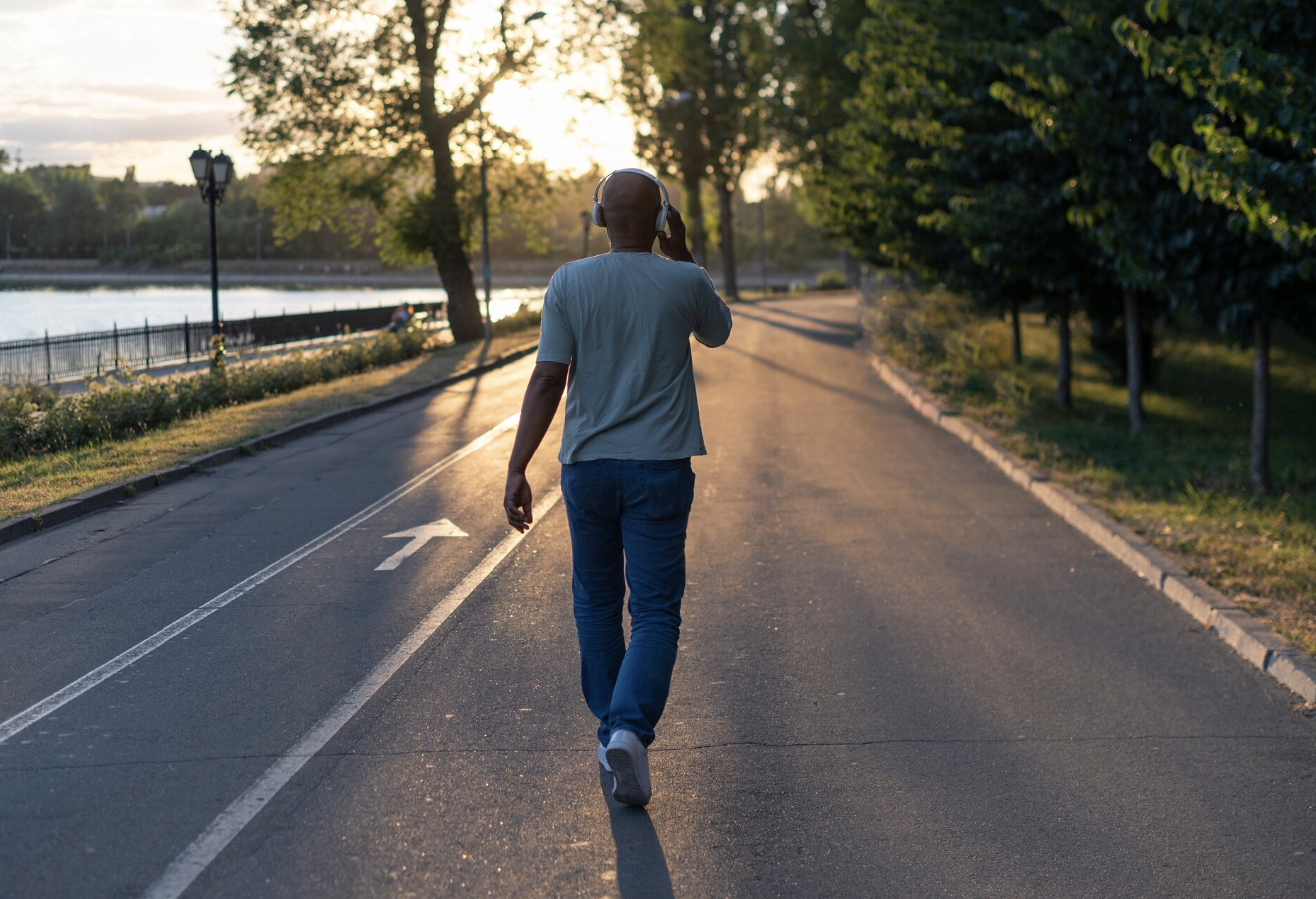
You finish lunch, clean up your plate, and sit right back down at your desk or collapse onto the couch. Within an hour, a wave of heaviness hits, leaving you sluggish and hunting for an afternoon snack.
This post-meal slump isn’t just about digestion—it’s driven by a sudden spike in your blood sugar. Luckily, blunting that spike doesn’t require intense cardio or an hour at the gym. A simple 10-minute walk right after eating changes everything.
“I used to get so sleepy after lunch that I could barely keep my eyes open during afternoon meetings. Taking a quick 10-minute stroll around the block sounded too simple to work, but my energy hasn’t crashed once since I started.” — Rachel Vance, 41, Accountant
1. Your Muscles Act Like “Glucose Sponges”
When you digest food, your body breaks carbohydrates down into glucose, which enters your bloodstream. Normally, your pancreas has to release a flood of insulin to move that sugar out of your blood and into your cells.
When you contract your leg muscles by walking, those muscles soak up glucose directly from your blood for instant fuel—without needing extra insulin. This mechanism keeps your blood sugar curve smooth and flat instead of sharp and elevated.
2. You Stop the “Spike-and-Crash” Cycle
Sitting still after a heavy meal allows glucose to pool in your bloodstream, creating a steep peak followed by a dramatic drop. That sudden crash is what triggers intense cravings, brain fog, and irritability around 3 PM.
Moving right away keeps your circulation active, spreading out energy delivery so you stay alert without the sudden drop.
“My doctor recommended a short post-meal walk to manage my sugar levels. It takes almost no effort, but my daily energy is noticeably more consistent.” — Arthur Pendelton, 62, Retired Administrator
3. How to Make the 10-Minute Habit Stick
-
Timing beats intensity: You don’t need to power-walk or break a sweat. A casual, easy-paced stroll works perfectly, as long as you start within 15–20 minutes of finishing your meal.
-
Keep it flexible: Bad weather? Pace around your living room, walk up and down a hallway, or tidy up the kitchen. Any light movement counts.
-
Anchor it to lunch: Make it a rule that your workday break ends with a brief 10-minute loop outside before you sit back down at your computer.
Fitness
When Was the Last Time You Gave Your Brain Something New to Solve?
We wake up, answer messages, work through familiar routines, and make many of the same decisions we’ve made before.

Fitness
Why So Many People Wake Up Tired — Even After a Full Night’s Sleep
Ever wake up after what should have been a good night’s sleep… only to feel like you could go right back to bed?


What 10 Minutes of Walking Immediately After Meals Does to Your Blood Sugar?

The 60-Second Reset #01: A 10-Second Fix for Screen-Strained Eyes

Hot vs Cold Therapy: Harnessing Thermal Stress for Metabolic and Mental Resilience

The Vagus Nerve & Nervous System Regulation: Taming the Unseen Stress Response

The 50+ Turning Point: Why Midlife is Ground Zero for Long-Term Vitality

What’s One Piece of Health Advice That Actually Worked for You?

Can Small Sleep Changes Improve Mental Sharpness? Here’s What Researchers Are Learning

The Optical Dilation Trick: How Expanding Your Vision Resets Desk Eye Strain and Anxiety
The Vagus Nerve & Nervous System Regulation: Taming the Unseen Stress Response
Hot vs Cold Therapy: Harnessing Thermal Stress for Metabolic and Mental Resilience
-

 Fitness3 months ago
Unexpected Health Habit: Not a Diet or Supplement – Just One Everyday Habit Worth Noticing
-
 Health4 months ago
What Your Hands Quietly Reveal About Your Digestion (And How To Use It)
-
 Fitness4 months ago
5 Health Myths Most Adults Still Believe And What Actually Matters Instead
-

 Health3 months ago
Have You Ever Wondered Why Homemade Meals Rarely Taste the Same?
-
 Fitness4 months ago
Experts Reveal: The 1-Minute Routine That Improves Digestion Instantly
-
 Health3 months ago
“Lazy Meal Prep”: The easier way people are actually sticking to healthy eating
-
 Health4 months ago
You Slept 8 Hours… So Why Do You Still Feel Exhausted?
-

 Health2 months ago
How Many Steps a Day Actually Matter for Longevity – 5K or 15K?