
Fitness
Why Ice Baths and Heat Therapy Might Work for Totally Different Reasons
Ice baths and heat therapy might seem like opposites, one shocks your body, the other soothes it, yet both can be powerful tools for recovery.
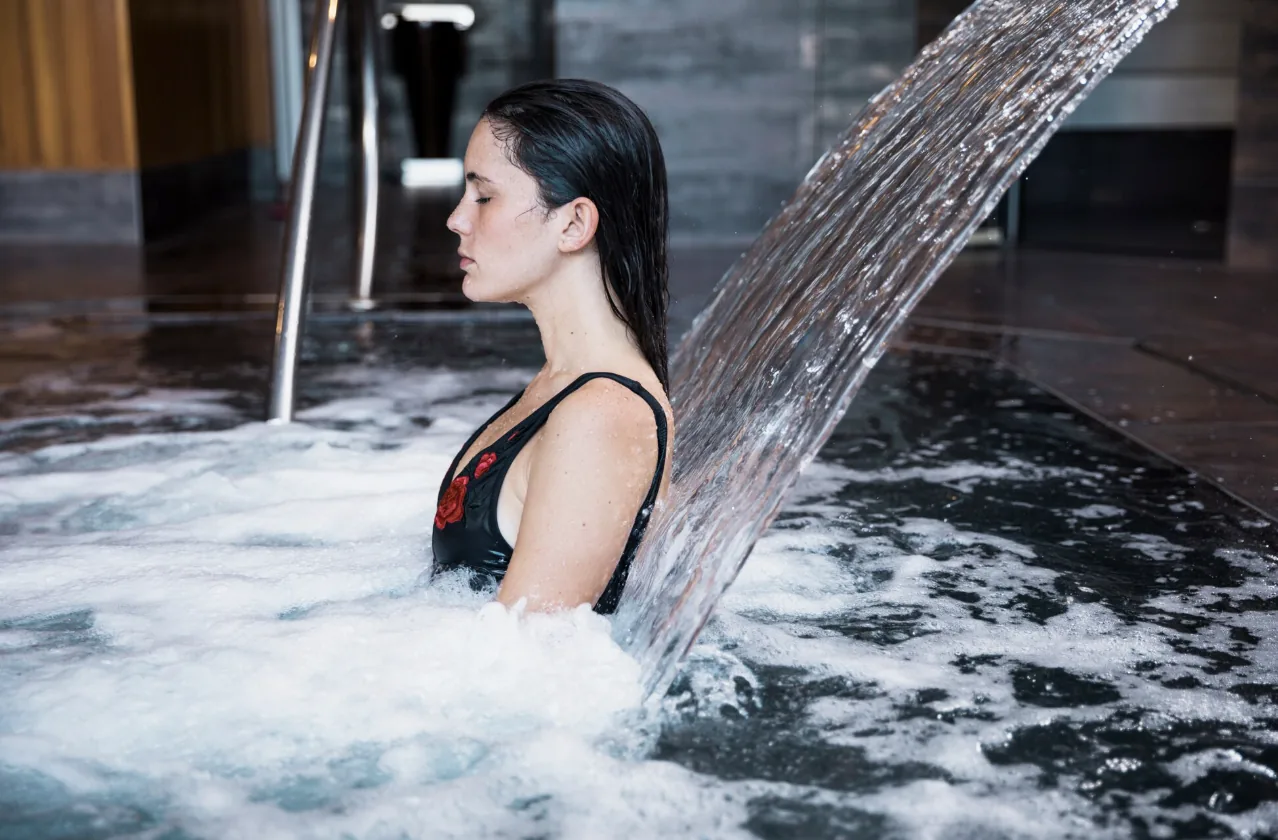
If you’ve ever plunged into an ice bath or sunk into a steaming sauna, you know both can make your body feel alive, but in completely opposite ways. One shocks your system with cold; the other melts your stress with warmth. Yet despite being total opposites, both ice baths and heat therapy are praised for healing, recovery, and rejuvenation.
So, how can freezing cold and intense heat both be “good” for you? The truth is that they might work for totally different reasons. Let’s break it down in simple, fascinating terms.
Ice Baths: The Controlled Shock That Wakes Up Your Biology

When you lower yourself into icy water, your body instantly goes into survival mode. Blood vessels tighten, breathing quickens, and your heart starts pumping harder. It’s your body’s ancient reflex to conserve heat and protect vital organs.
But here’s the twist: this “shock” response is exactly why ice baths can be beneficial.
- They Reduce Inflammation (Temporarily, But Powerfully)
Cold exposure narrows your blood vessels, slowing down circulation to your muscles and joints. This can temporarily reduce swelling and dull pain after intense exercise or injury. It’s like pressing pause on inflammation so your body can reset.
- They Train Your Nervous System
Over time, cold exposure helps your body adapt to stress. That gasp you take when you hit the water? It’s your nervous system learning to stay calm under pressure. Regular cold plungers often report improved focus, energy, and even better mood—all tied to the way the brain learns to handle stress.
- They Trigger a “Hormetic” Effect
“Hormesis” means that small doses of stress can make you stronger. Just as lifting weights breaks down muscle so it can rebuild tougher, brief cold stress can make your immune system, metabolism, and resilience more robust.
So, in short: ice baths stress your body to strengthen it.
Heat Therapy: The Ancient Calm That Heals From Within

Now let’s flip the script. When you step into a sauna or hot bath, you’re doing the opposite of an ice plunge. Instead of shocking your body, you’re gently relaxing it.
But heat therapy isn’t just about comfort. It works through a completely different biological pathway—one that’s all about expansion, repair, and release.
- It Expands Blood Vessels and Improves Circulation
Heat opens up your blood vessels (a process called vasodilation), allowing oxygen and nutrients to flow more freely. This increased circulation helps your muscles repair faster and removes metabolic waste like lactic acid.
- It Reduces Chronic Stress Hormones
While cold exposure triggers alertness and stress, heat does the opposite—it activates your body’s “rest and digest” system. Your cortisol levels drop, your muscles unclench, and your brain releases calming endorphins.
- It Mimics Exercise (Without the Sweat Session)
Interestingly, sitting in a sauna can raise your heart rate and core temperature similar to moderate exercise. That’s why heat therapy is sometimes called a “passive workout.” It can even support cardiovascular health and metabolic function in people who can’t engage in physical activity.
So, in short, heat therapy relaxes your body to restore it.
Why They Feel So Opposite—Yet Both “Work”
Here’s where it gets fascinating:
- Ice baths make you stronger due to stress.
- Heat therapy makes you healthier through rest.
Both push your body—but in different directions. One activates your “fight-or-flight” system, the other your “rest-and-repair” system.
They’re not competing tools; they’re complementary opposites. Used wisely, they create balance.
The Brain Connection: Why Both Can Lift Your Mood

Cold plunges often leave people feeling alert and euphoric. That’s due to a surge of dopamine and norepinephrine, chemicals linked to motivation and focus.
Heat, on the other hand, increases serotonin and endorphins, the “feel good” neurotransmitters that ease anxiety and boost happiness.
So when people say “I feel amazing after a sauna” or “I feel unstoppable after an ice bath,” both are right—they’re just feeling different kinds of chemical magic.
The Secret: Know What You Need, and When
If you’re sore, inflamed, or recovering from intense exercise, cold therapy can calm things down.
If you’re tense, stressed, or mentally drained, heat therapy can help you release and recharge.
And if you combine both strategically (like contrast therapy: hot-cold-hot-cold), you can get the best of both worlds—circulatory boost from heat and recovery boost from cold.
A Final Thought
Our ancestors used both extremes without realizing the science—cold rivers in the morning, warm fires at night. Modern research is just catching up to what the body already knows:
Balance doesn’t come from comfort or struggle alone—it comes from the dance between the two.
So the next time you shiver in an ice bath or melt in a sauna, remember—
You’re not just chilling or sweating.
You’re teaching your body how to adapt, recover, and thrive.
Fitness
What 10 Minutes of Walking Immediately After Meals Does to Your Blood Sugar?
Blunting that spike doesn’t require intense cardio or an hour at the gym. A simple 10-minute walk right after eating changes everything.
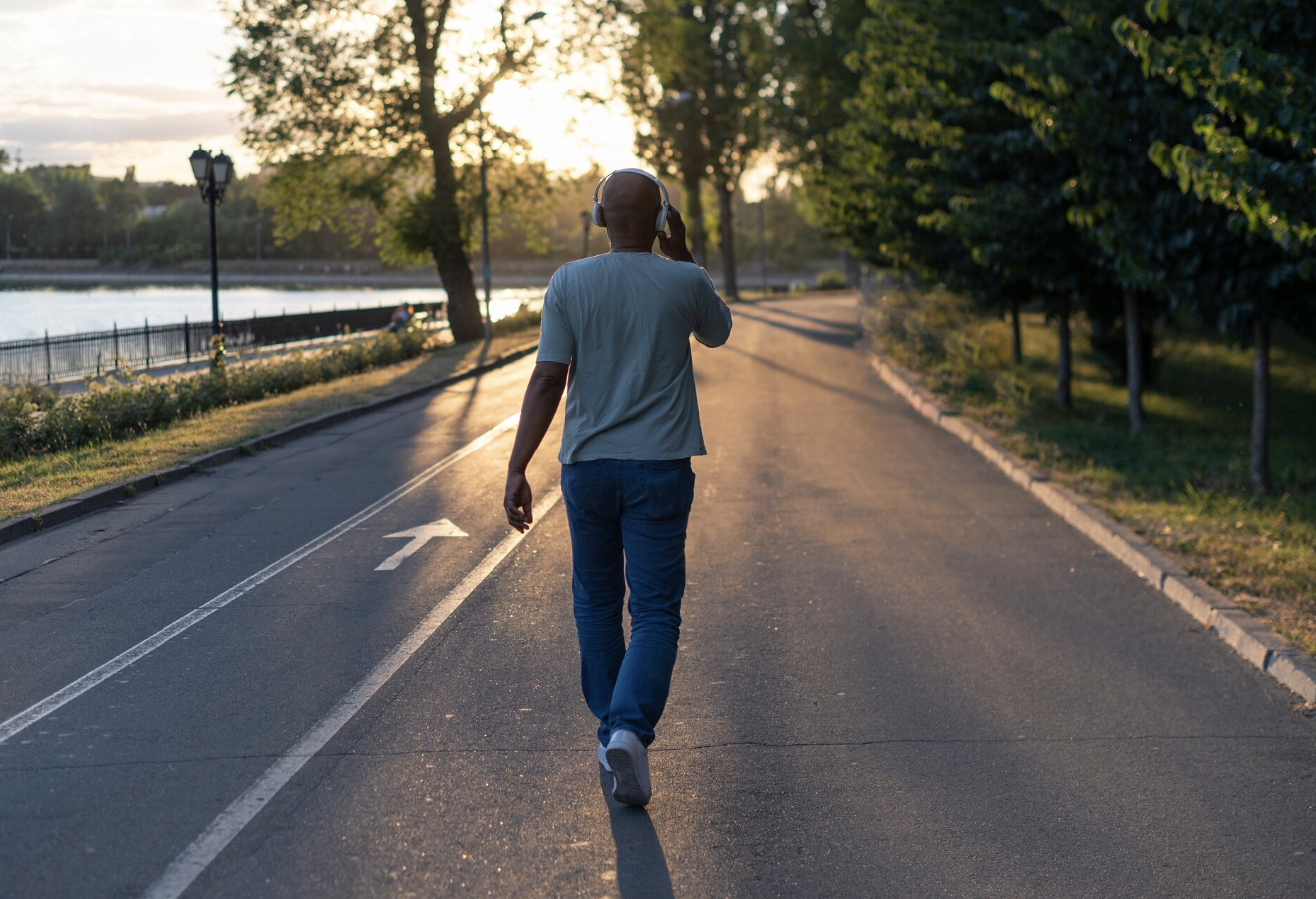
You finish lunch, clean up your plate, and sit right back down at your desk or collapse onto the couch. Within an hour, a wave of heaviness hits, leaving you sluggish and hunting for an afternoon snack.
This post-meal slump isn’t just about digestion—it’s driven by a sudden spike in your blood sugar. Luckily, blunting that spike doesn’t require intense cardio or an hour at the gym. A simple 10-minute walk right after eating changes everything.
“I used to get so sleepy after lunch that I could barely keep my eyes open during afternoon meetings. Taking a quick 10-minute stroll around the block sounded too simple to work, but my energy hasn’t crashed once since I started.” — Rachel Vance, 41, Accountant
1. Your Muscles Act Like “Glucose Sponges”
When you digest food, your body breaks carbohydrates down into glucose, which enters your bloodstream. Normally, your pancreas has to release a flood of insulin to move that sugar out of your blood and into your cells.
When you contract your leg muscles by walking, those muscles soak up glucose directly from your blood for instant fuel—without needing extra insulin. This mechanism keeps your blood sugar curve smooth and flat instead of sharp and elevated.
2. You Stop the “Spike-and-Crash” Cycle
Sitting still after a heavy meal allows glucose to pool in your bloodstream, creating a steep peak followed by a dramatic drop. That sudden crash is what triggers intense cravings, brain fog, and irritability around 3 PM.
Moving right away keeps your circulation active, spreading out energy delivery so you stay alert without the sudden drop.
“My doctor recommended a short post-meal walk to manage my sugar levels. It takes almost no effort, but my daily energy is noticeably more consistent.” — Arthur Pendelton, 62, Retired Administrator
3. How to Make the 10-Minute Habit Stick
-
Timing beats intensity: You don’t need to power-walk or break a sweat. A casual, easy-paced stroll works perfectly, as long as you start within 15–20 minutes of finishing your meal.
-
Keep it flexible: Bad weather? Pace around your living room, walk up and down a hallway, or tidy up the kitchen. Any light movement counts.
-
Anchor it to lunch: Make it a rule that your workday break ends with a brief 10-minute loop outside before you sit back down at your computer.
Fitness
When Was the Last Time You Gave Your Brain Something New to Solve?
We wake up, answer messages, work through familiar routines, and make many of the same decisions we’ve made before.

Fitness
Why So Many People Wake Up Tired — Even After a Full Night’s Sleep
Ever wake up after what should have been a good night’s sleep… only to feel like you could go right back to bed?

What 10 Minutes of Walking Immediately After Meals Does to Your Blood Sugar?

The 60-Second Reset #01: A 10-Second Fix for Screen-Strained Eyes

Hot vs Cold Therapy: Harnessing Thermal Stress for Metabolic and Mental Resilience

The Vagus Nerve & Nervous System Regulation: Taming the Unseen Stress Response

The 50+ Turning Point: Why Midlife is Ground Zero for Long-Term Vitality

What’s One Piece of Health Advice That Actually Worked for You?

Can Small Sleep Changes Improve Mental Sharpness? Here’s What Researchers Are Learning

The Optical Dilation Trick: How Expanding Your Vision Resets Desk Eye Strain and Anxiety
The Vagus Nerve & Nervous System Regulation: Taming the Unseen Stress Response
Hot vs Cold Therapy: Harnessing Thermal Stress for Metabolic and Mental Resilience
-

 Fitness3 months ago
Unexpected Health Habit: Not a Diet or Supplement – Just One Everyday Habit Worth Noticing
-
 Health4 months ago
What Your Hands Quietly Reveal About Your Digestion (And How To Use It)
-
 Fitness4 months ago
5 Health Myths Most Adults Still Believe And What Actually Matters Instead
-

 Health3 months ago
Have You Ever Wondered Why Homemade Meals Rarely Taste the Same?
-
 Fitness4 months ago
Experts Reveal: The 1-Minute Routine That Improves Digestion Instantly
-
 Health3 months ago
“Lazy Meal Prep”: The easier way people are actually sticking to healthy eating
-
 Health4 months ago
You Slept 8 Hours… So Why Do You Still Feel Exhausted?
-
 Health2 months ago
How Many Steps a Day Actually Matter for Longevity – 5K or 15K?